Striving for the Gandhian ideal
Generally, it is taken for granted that the journey on the path of development is accompanied by increasing urbanization.
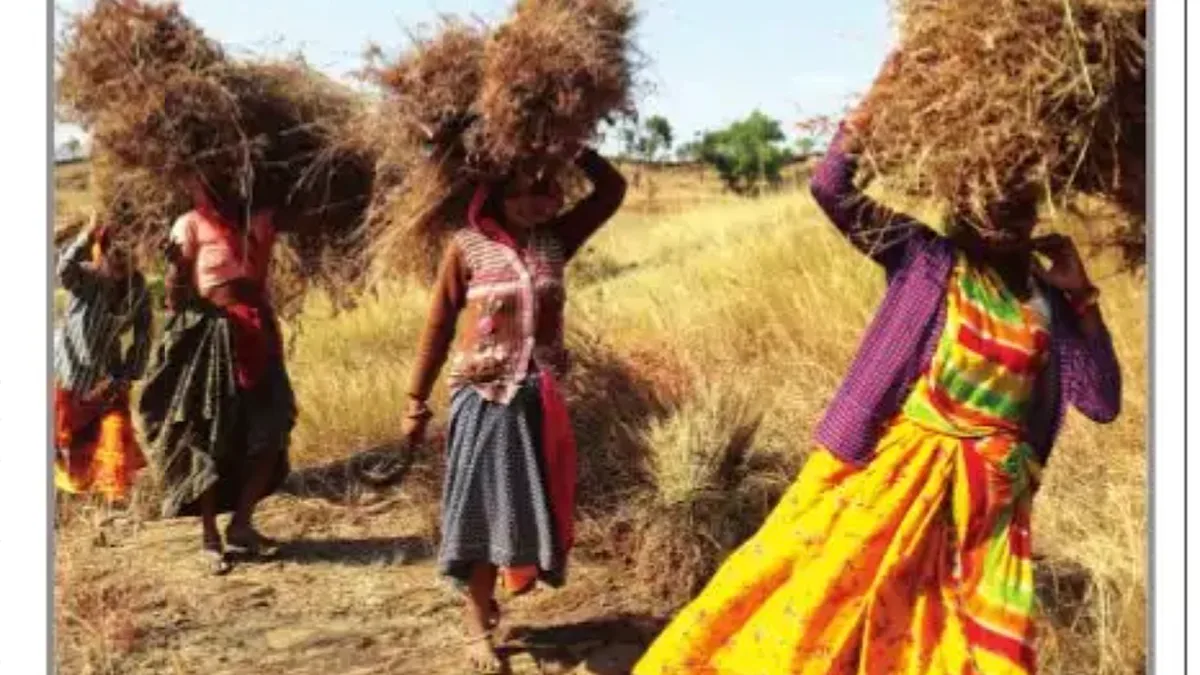
Generally, it is taken for granted that the journey on the path of development is accompanied by increasing urbanization.

A doctor and nursing staff at a Maharashtra hospital were allegedly assaulted by a local corporator, exposing a disturbing irony.

The barricading of the Shambhu border in Haryana to prevent farmers from travelling to Delhi raises a question larger than the protest itself.
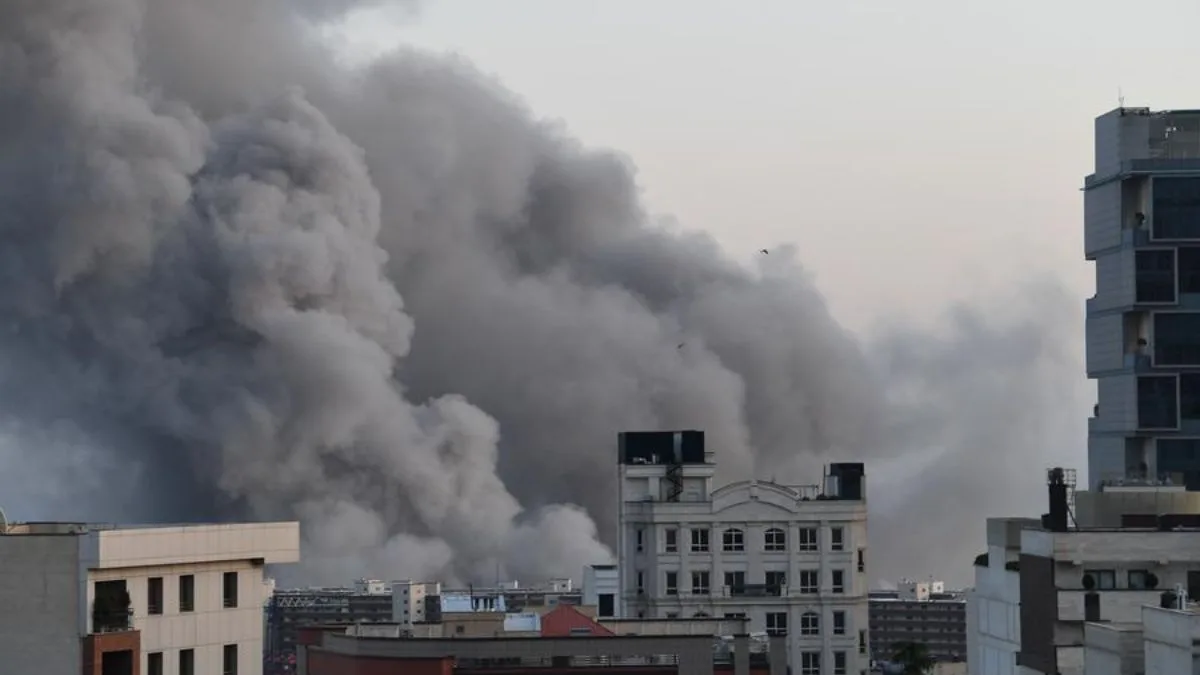
The renewed war between the United States and Iran has again placed American and Israeli military interests on apparently common ground.
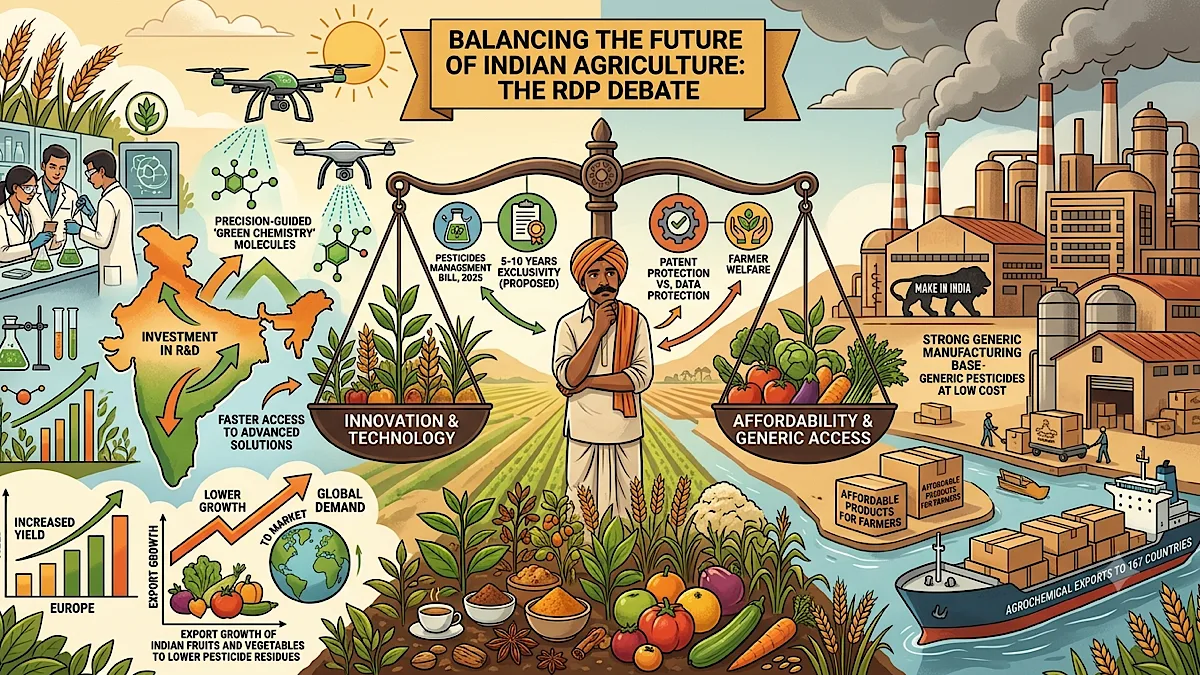
India’s agrochemical industry, a major global hub for crop protection product manufacturing, is at the heart of a significant policy discussion that could shape the future of agricultural innovation, domestic production, exports, and farmer welfare.

International Women’s Day 2026, under the theme, “Rights. Justice. Action. For ALL Women and Girls”, calls for action to dismantle all barriers to equal justice: discriminatory laws, weak legal protections, and harmful practices and social norms that erode the rights of women and girls, according to the United Nations.

In a century defined by rapid technological change, planetary crises, and shifting global power, the most consequential decisions nations make are often not about rivalry, but about restraint.

When Sundararaman Ramamurthy, chief executive of the Bombay Stock Exchange, found himself apparently dispensing stock tips in a slick online video, the most alarming detail was not the sophistication of the forgery.

When China’s leadership gathers in Beijing for the annual meetings of the National People’s Congress, the numbers announced are usually meant to project confidence.
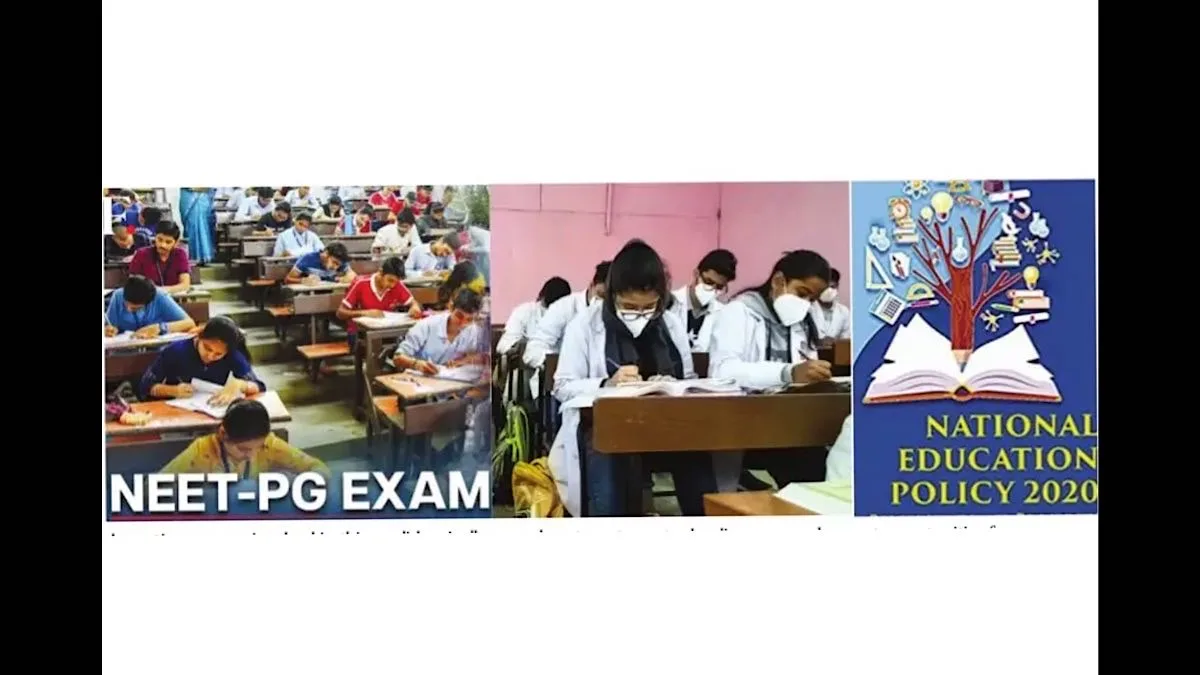
It would be difficult to decide which was the greater tragedy ~ fiasco at the AI Summit, or admission of students with negative marks in post-graduate medical classes.