Striving for the Gandhian ideal
Generally, it is taken for granted that the journey on the path of development is accompanied by increasing urbanization.
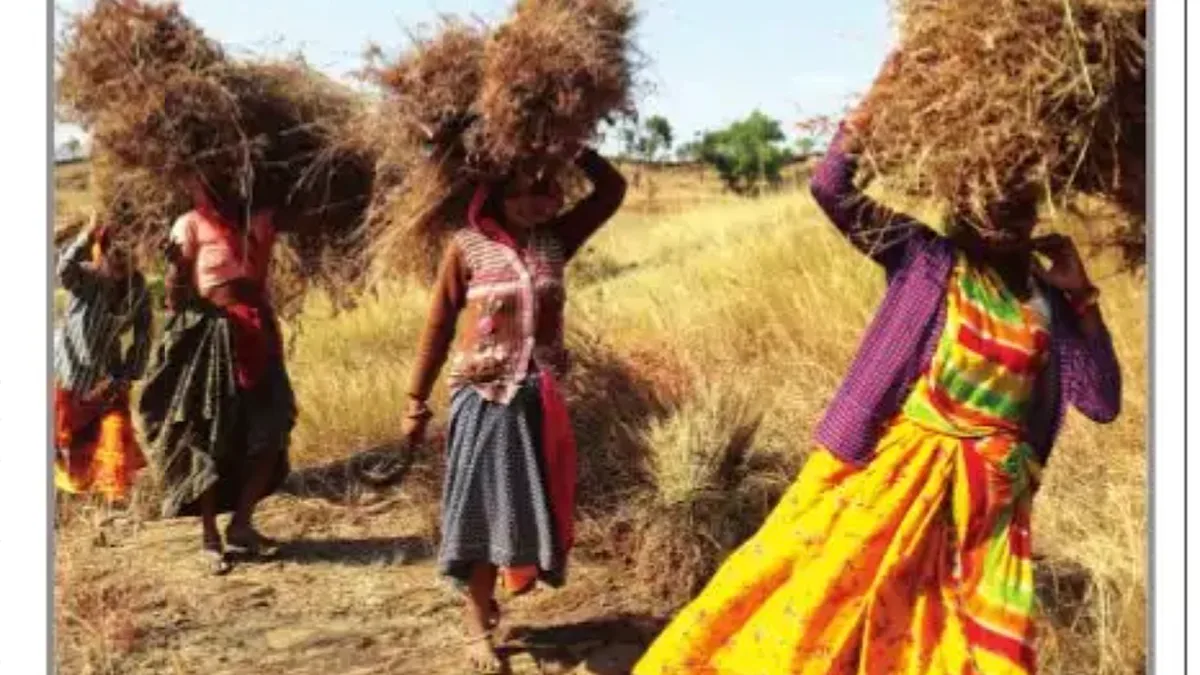
Generally, it is taken for granted that the journey on the path of development is accompanied by increasing urbanization.

A doctor and nursing staff at a Maharashtra hospital were allegedly assaulted by a local corporator, exposing a disturbing irony.
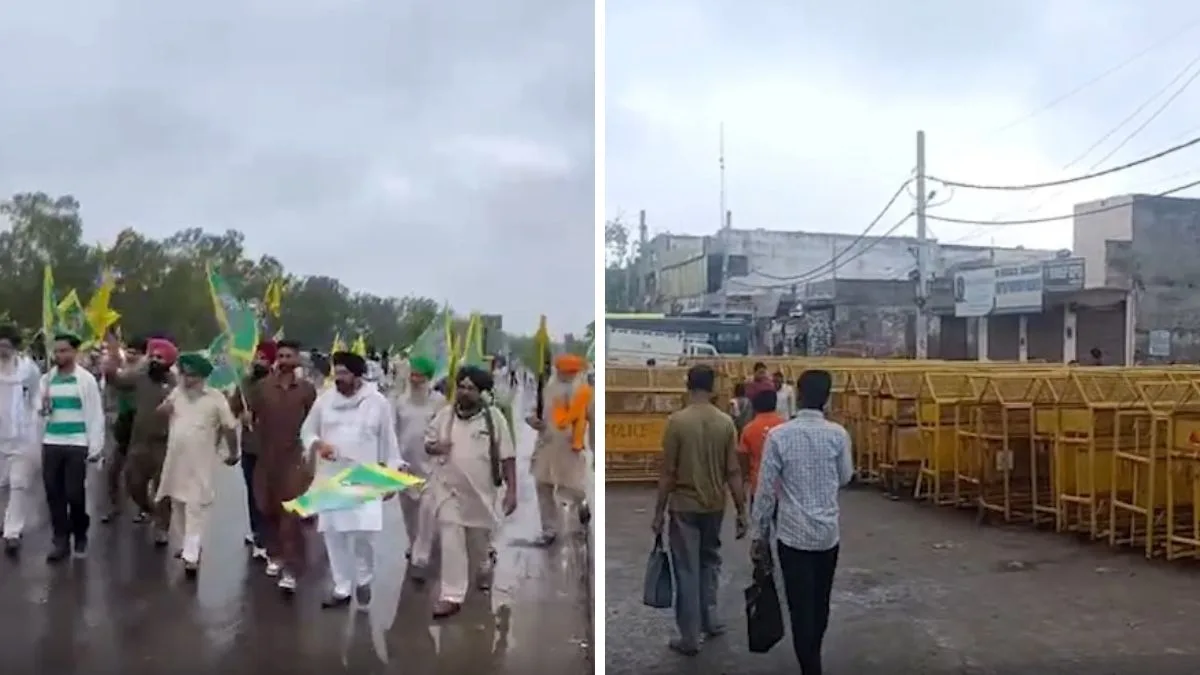
The barricading of the Shambhu border in Haryana to prevent farmers from travelling to Delhi raises a question larger than the protest itself.
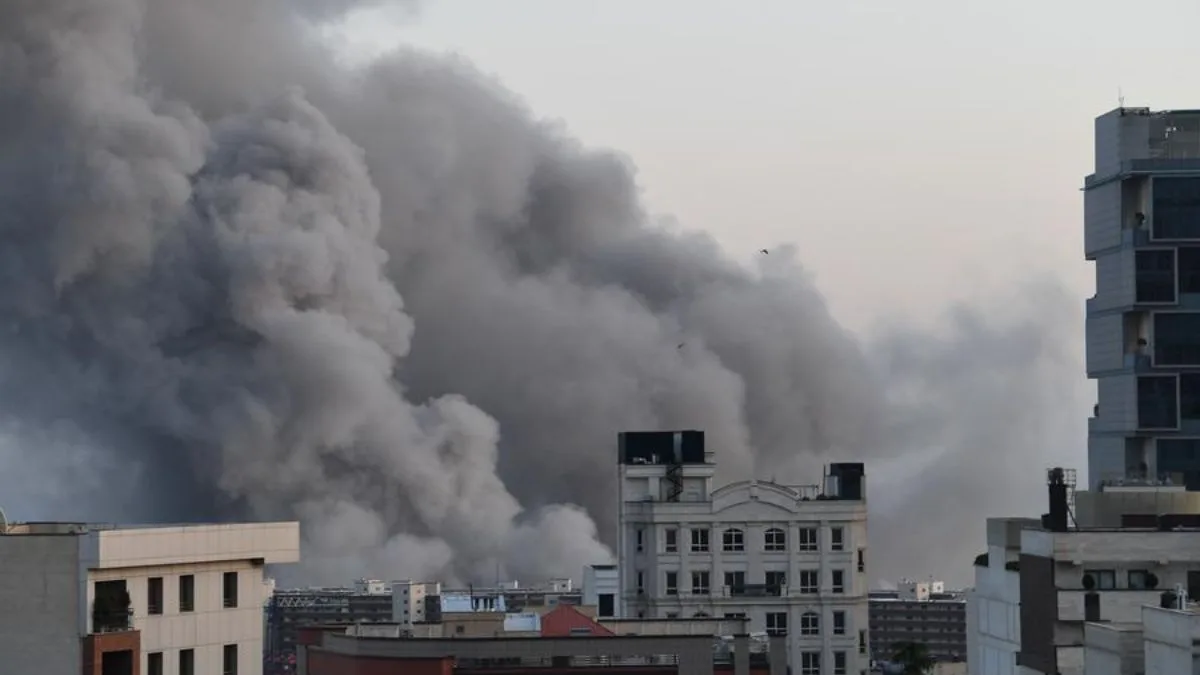
The renewed war between the United States and Iran has again placed American and Israeli military interests on apparently common ground.
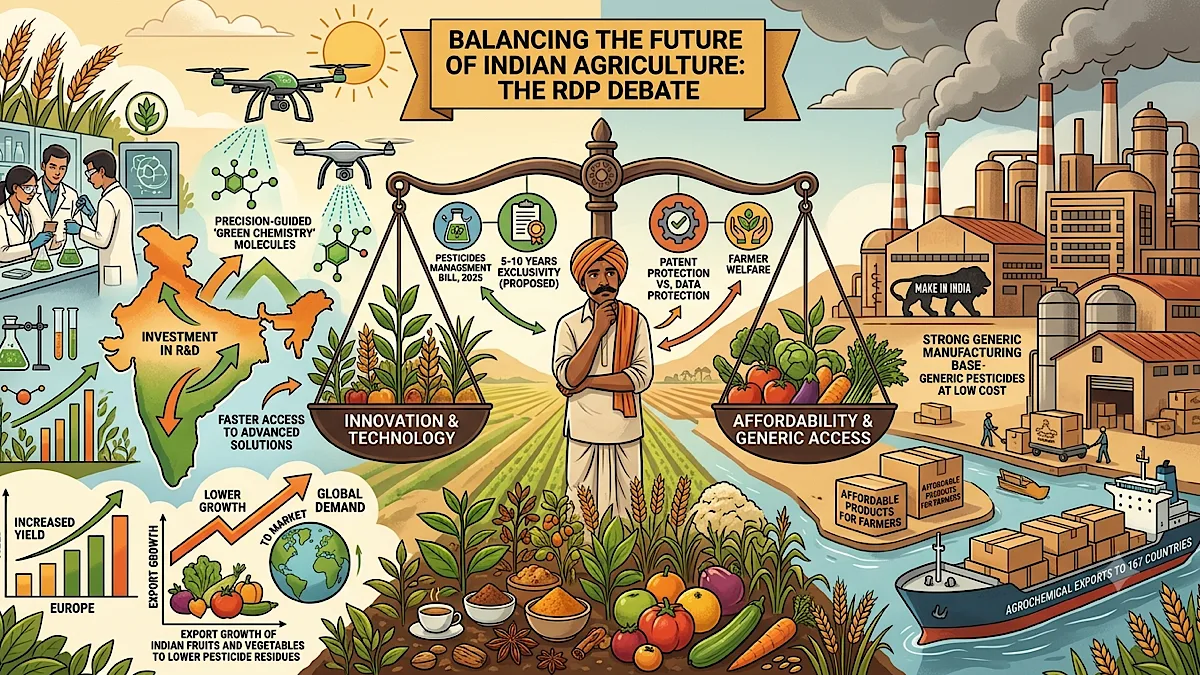
India’s agrochemical industry, a major global hub for crop protection product manufacturing, is at the heart of a significant policy discussion that could shape the future of agricultural innovation, domestic production, exports, and farmer welfare.
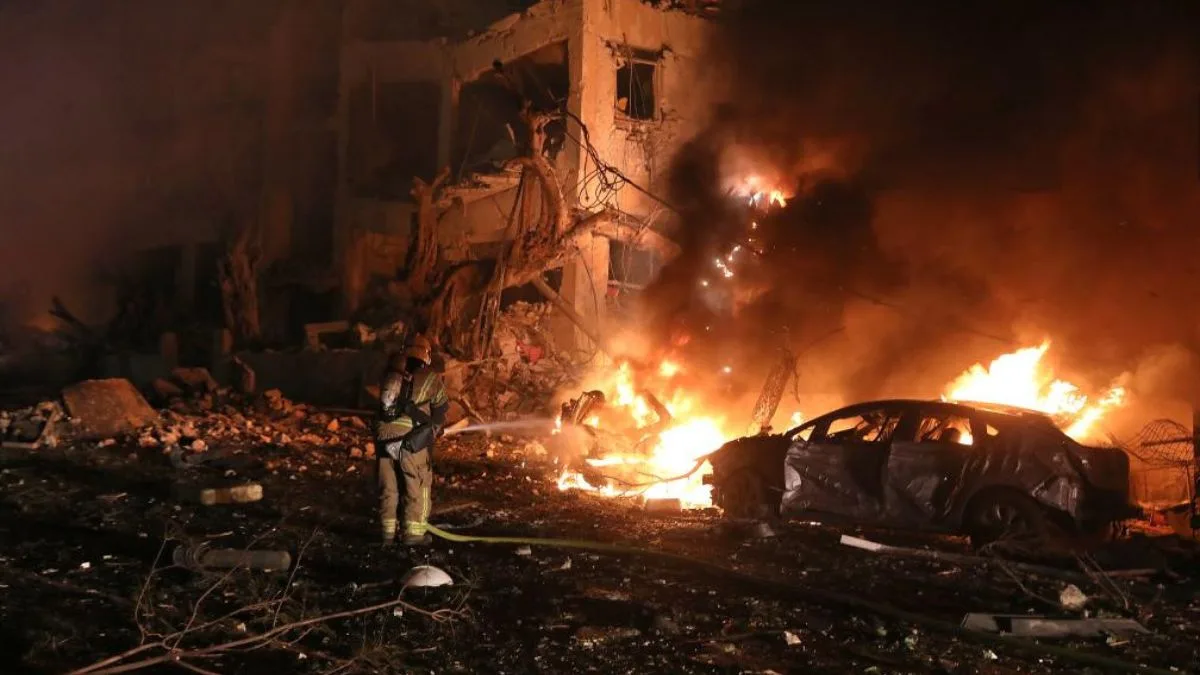
Wars rarely produce clear winners, but they almost always produce opportunists.
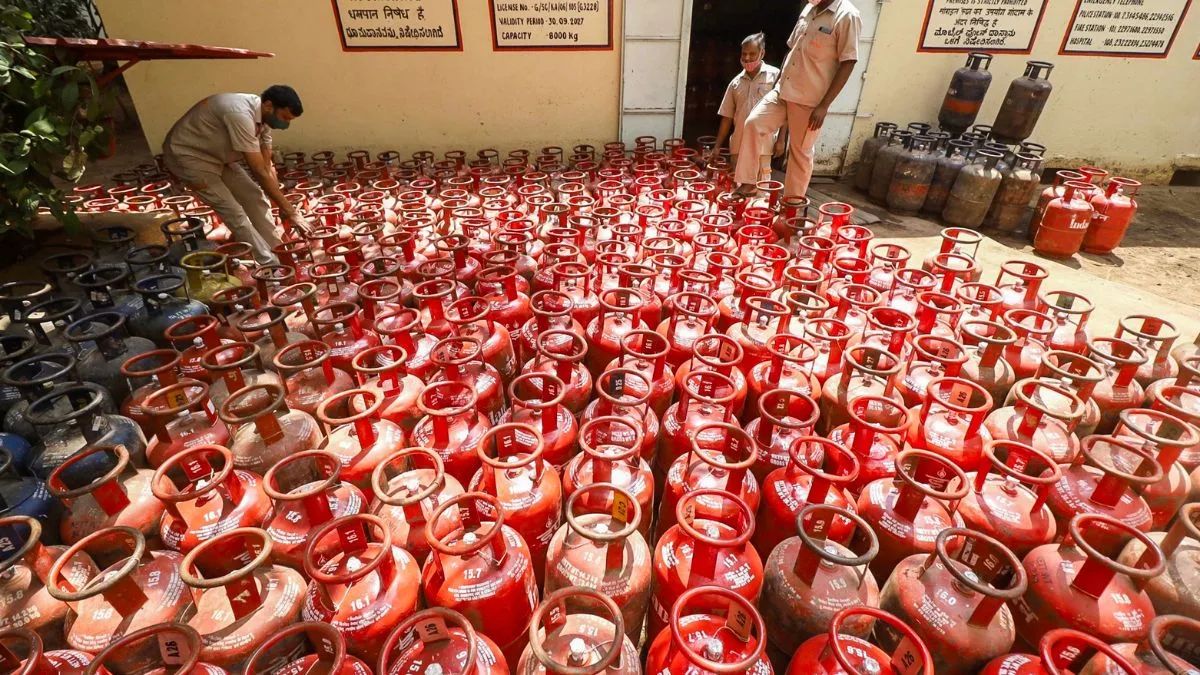
War in West Asia rarely feels distant in India’s kitchens. When tensions rise around the Persian Gulf and the Strait of Hormuz, the consequences travel quietly through tankers, ports, and refineries before arriving at the most ordinary place in the economy: the household cooking stove.
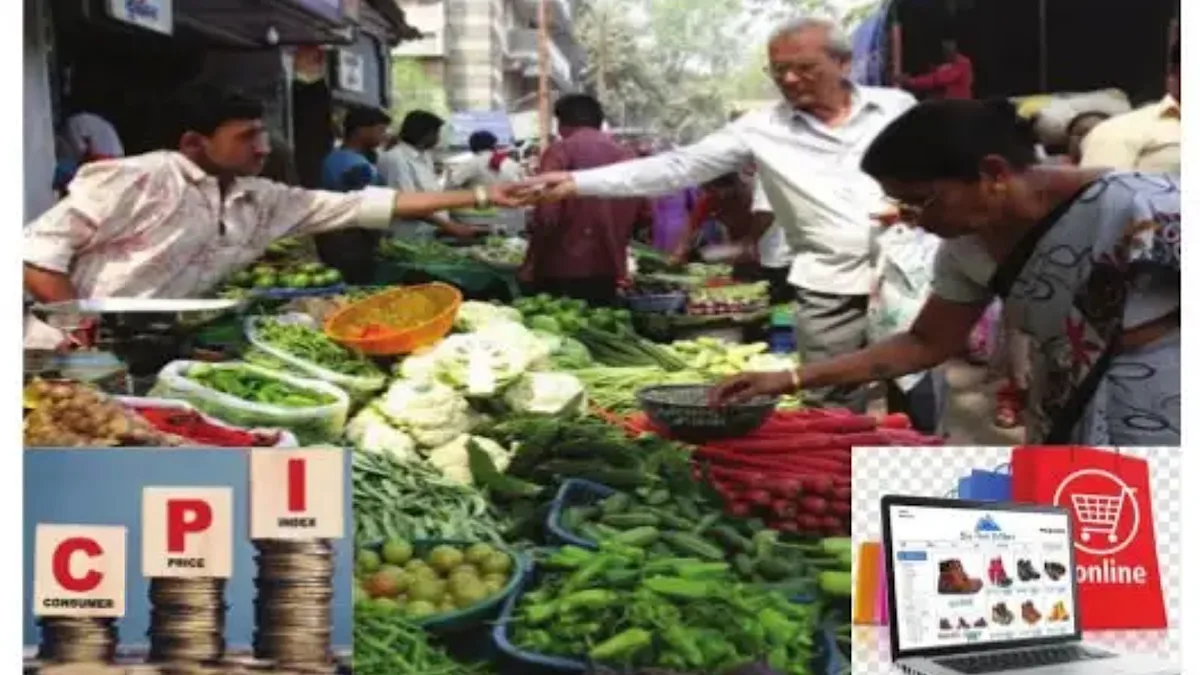
Reliable macroeconomic statistics are fundamental to economic governance. Last year, the IMF, even while revising India’s GDP growth projections upwards, assigned a “C” rating to our National Accounts Statistics in its Data Quality Assessment due to methodological weaknesses.

On March 12, 1930, Mahatma Gandhi stepped out of Sabarmati Ashram with a small group of followers and a simple but radical plan: to challenge British authority over something as basic as salt.

The US-Iran war has brought back memories of the past gigantic oil shocks of the 1970s and the Gulf War era.