If the click goes, so will the Web
The modern internet was built on a simple bargain. Websites created content. Search engines sent users to those websites.
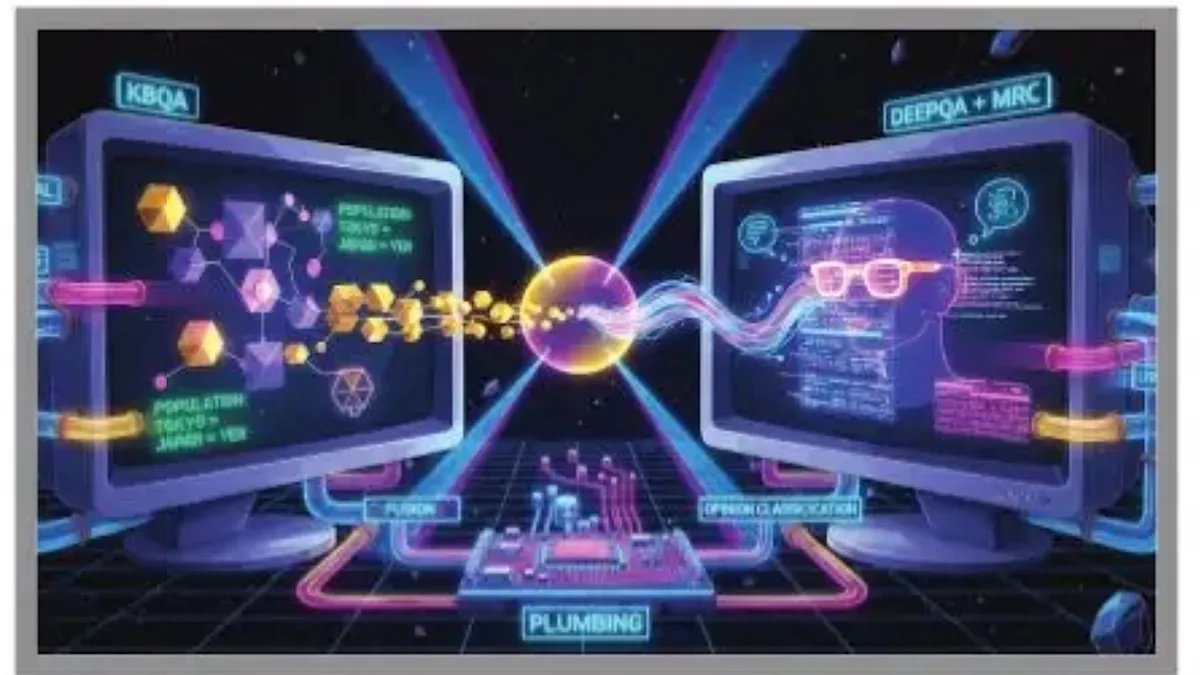
The modern internet was built on a simple bargain. Websites created content. Search engines sent users to those websites.

One year after one of the worst aviation disasters in Indian history, the most unsettling reality is not that the final answer remains elusive. It is that, in the absence of definitive findings, competing certainties have rushed in to fill the void.

It is after more than 100 days that both President Donald Trump and Iran have announced a peace deal, much to the world’s relief.

For much of the past year, economists have been waiting for the American economy to stumble. It has been hit by tariffs, labour disruptions, geopolitical tensions and renewed inflationary pressures.
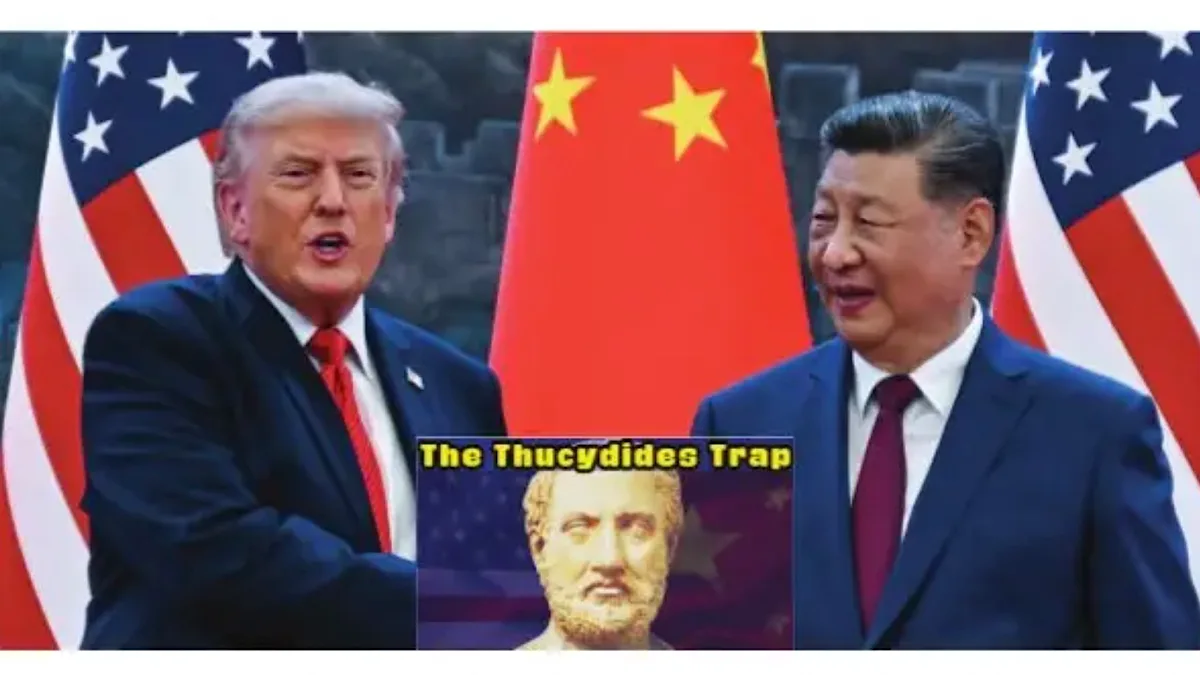
Xi Jinping at his meeting with Donald Trump on 14-15 May 2026 in Beijing referred to the Thucydides Trap, a metaphor that refers to the inherent tensions and perils when an established power is challenged by a rising power.
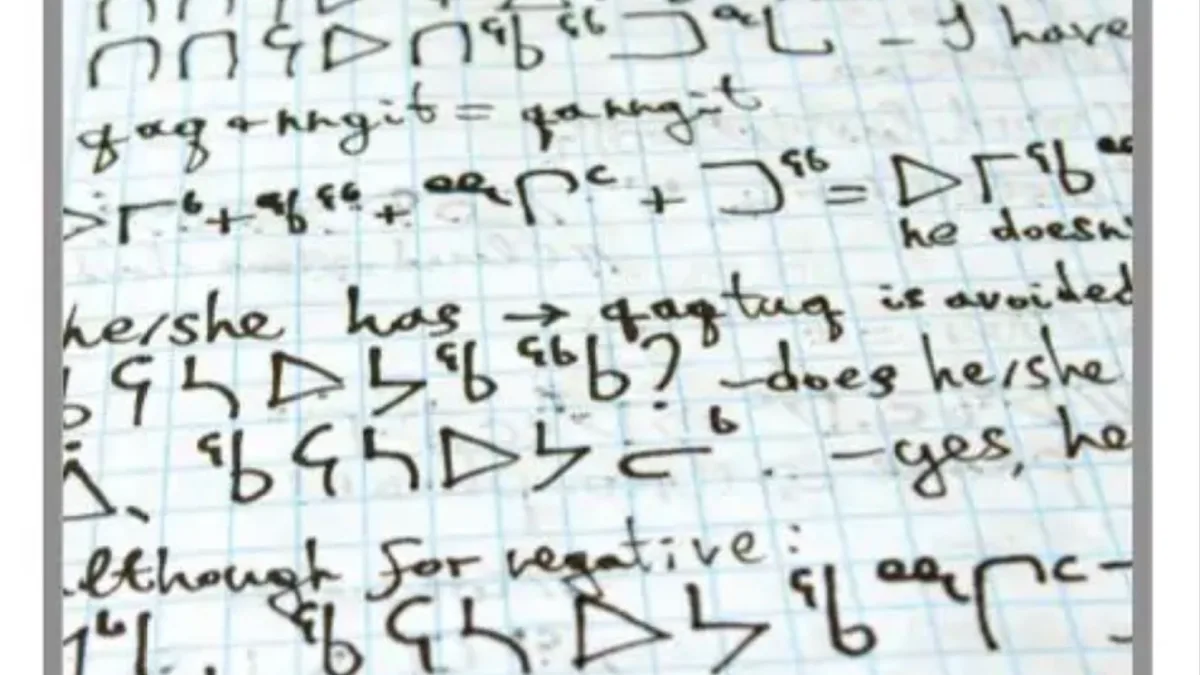
In 2008, a linguist named David Harrison travelled deep into the forests of Siberia searching for speakers of an almost forgotten language called Chulym.
For more than two decades, India’s nuclear doctrine has been treated as a settled matter.
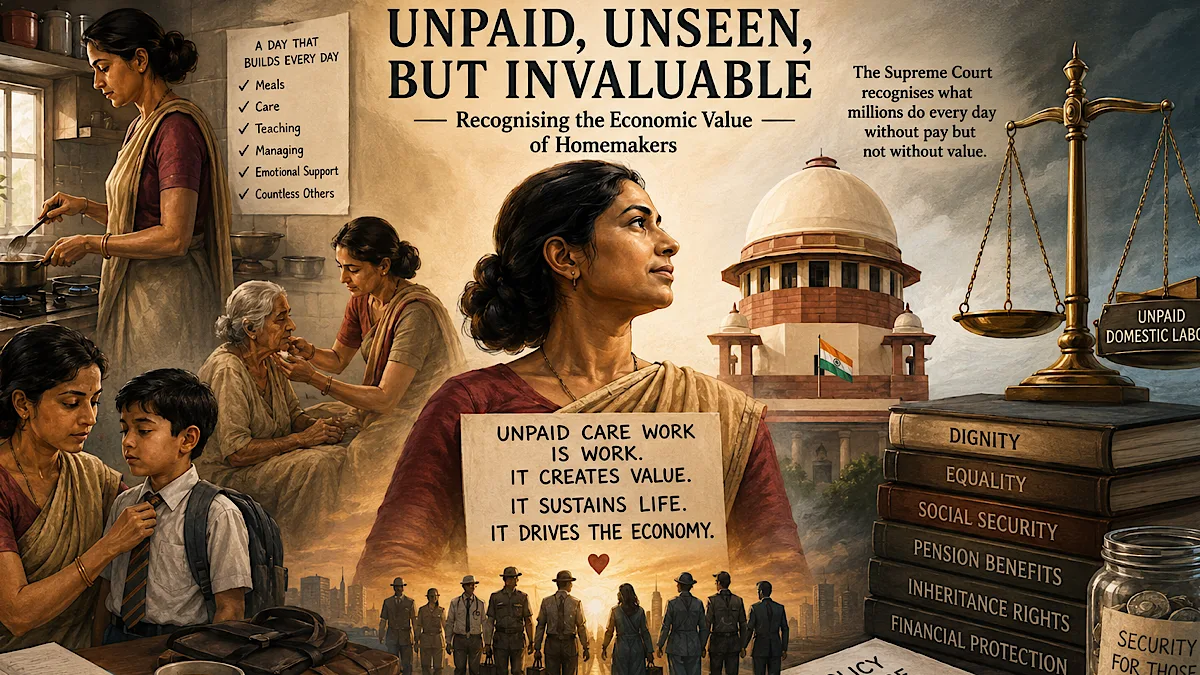
For generations, Indian society has perfected a contradiction.
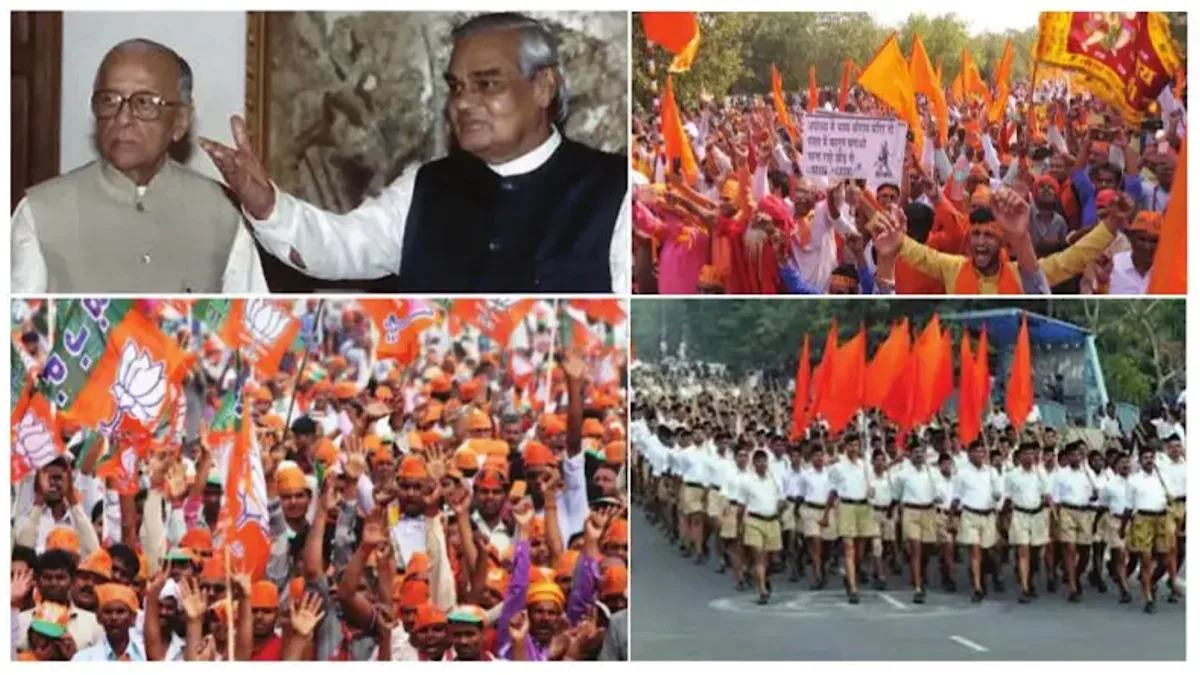
The question remains even today: on what legal basis can the Jana Sangh or the Rashtriya Swayamsewak Sangh conclusively be called fascist? They were accused of being anti-democratic and anti-constitutional, but these accusations were never decisively established in legal terms.

On 8 June, a US federal judge in Boston struck down the Trump administration's $100,000 fee on new H-1B visas, ruling it an unlawful tax that Congress never authorized.