Bengal’s elderly deserve policy interventions
Data from the recently published National Family Health Survey 6 (NFHS 6) shows that India is moving away from being a young country.

Data from the recently published National Family Health Survey 6 (NFHS 6) shows that India is moving away from being a young country.

The word ‘emergency’ evokes an intense sense of unease, often associated with the suspension of established norms and procedures in pursuit of a perceived larger objective. Different forms of emergencies command our attention in different ways.
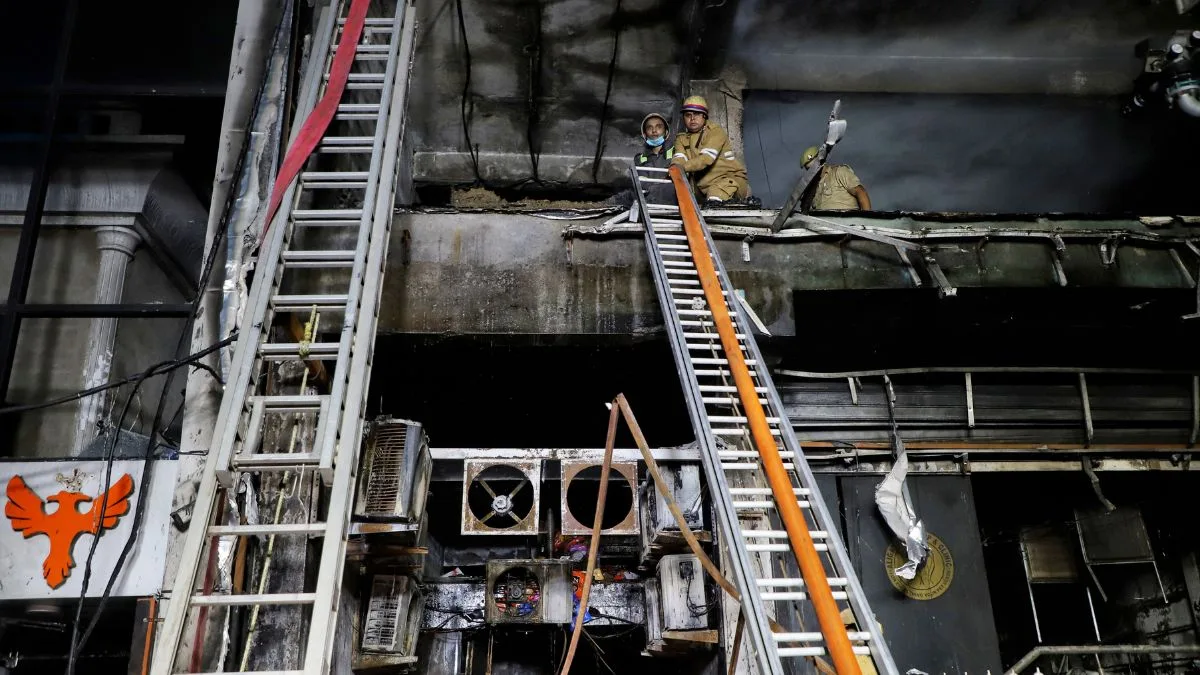
The investigation into the fire that claimed 15 young lives in Lucknow will eventually determine where the blaze began.

Few politicians have exhibited Benjamin Netanyahu’s talent for political survival.

For generations, education was the preferred route through which Indian families sought to improve their economic prospects.

Children are widely regarded as the architects of our future. Yet, as a teacher of science and mathematics, I am increasingly concerned that a silent crisis is unfolding among the very generation expected to lead tomorrow's world.
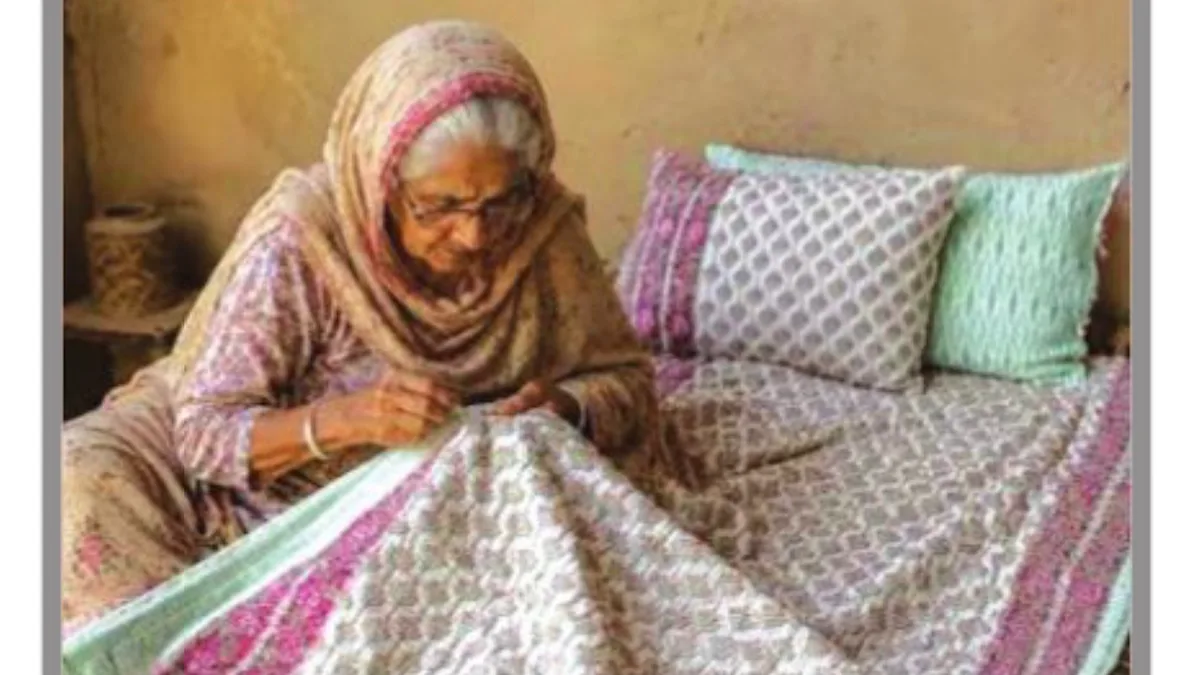
Long before sustainability acquired glossy reports, ambitious targets and impressive acronyms, grandmothers had already solved half the problems.
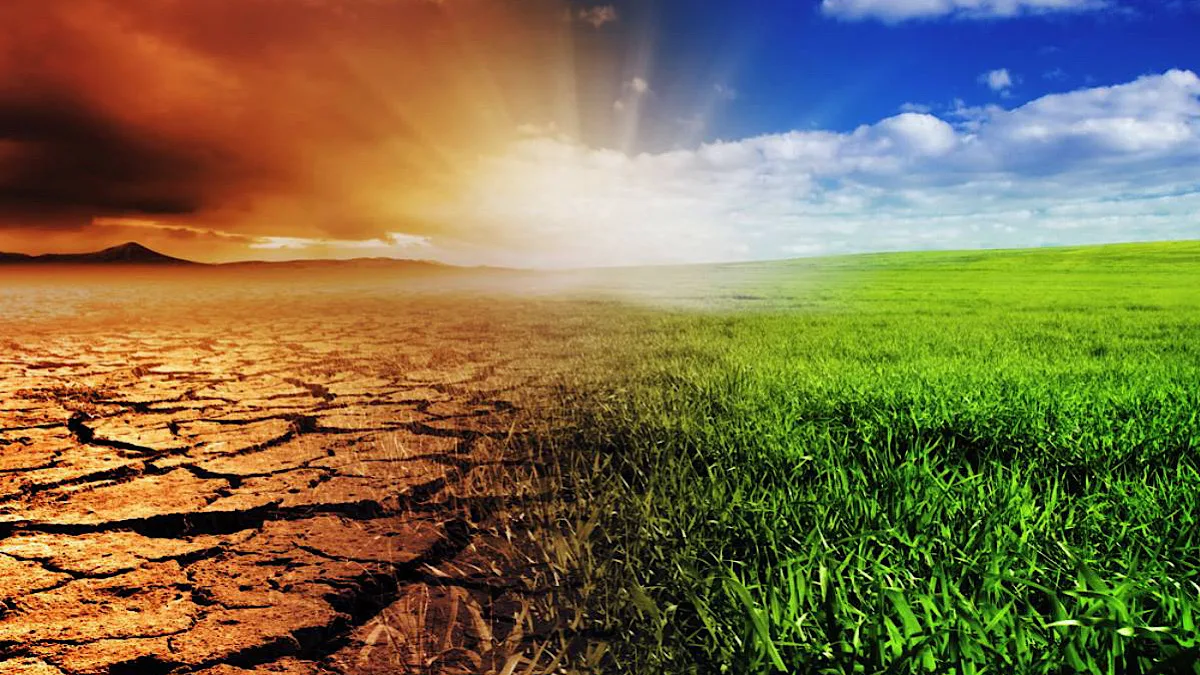
The emphasis of modern environmental policy has been on prevention. Governments, international institutions and activists have rightly focused on reducing emissions, protecting ecosystems and slowing the pace of climate change.
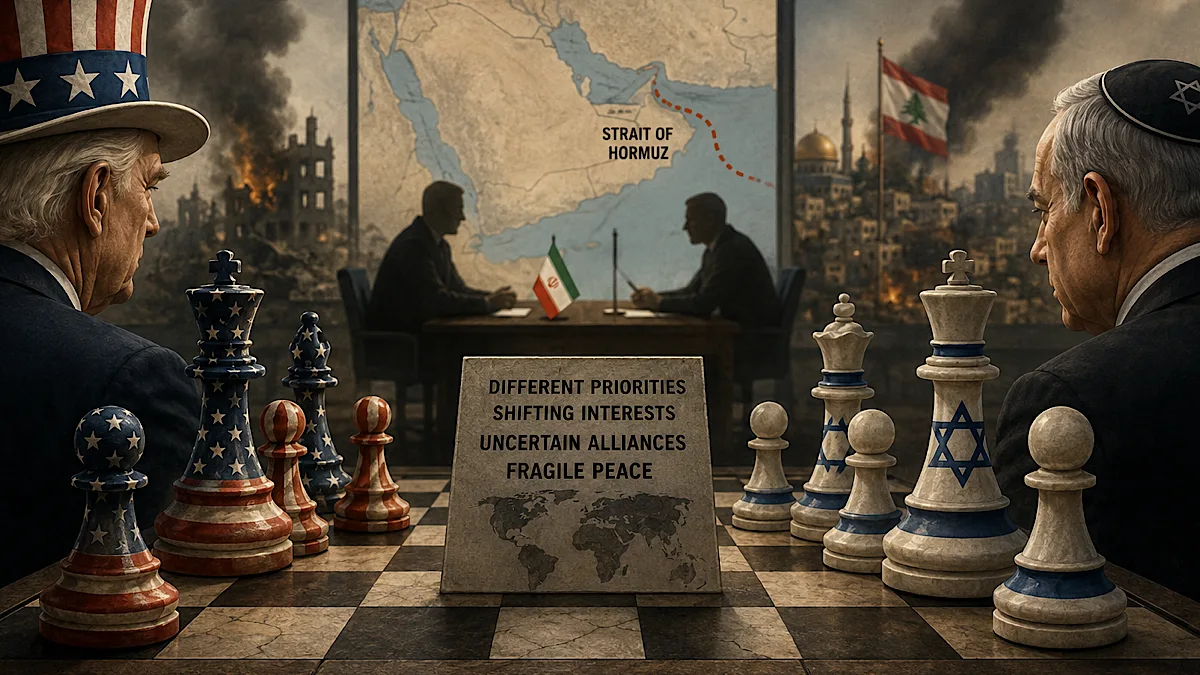
Wars often reveal the strength of alliances. Their endings reveal something more important: who ultimately gets to define the peace.
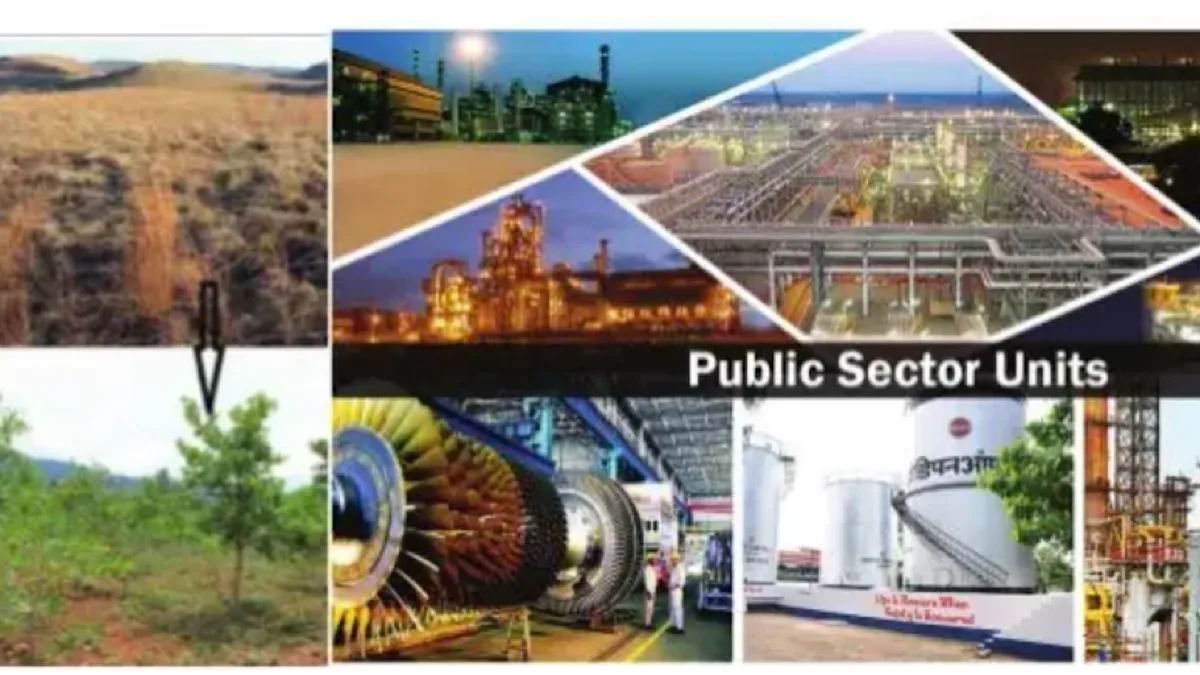
While one gets to learn about Central PSEs quite often through news items and media articles, the state public sector enterprises (SPSEs) mostly remain beyond the radar of public scrutiny.