India-Bangladesh: Storm in a tea cup
Bangladesh’s Islamist and Jamaat-aligned political spectrum immediately interpreted Dinesh Trivedi's remarks as evidence of “India’s hegemonistic designs”.
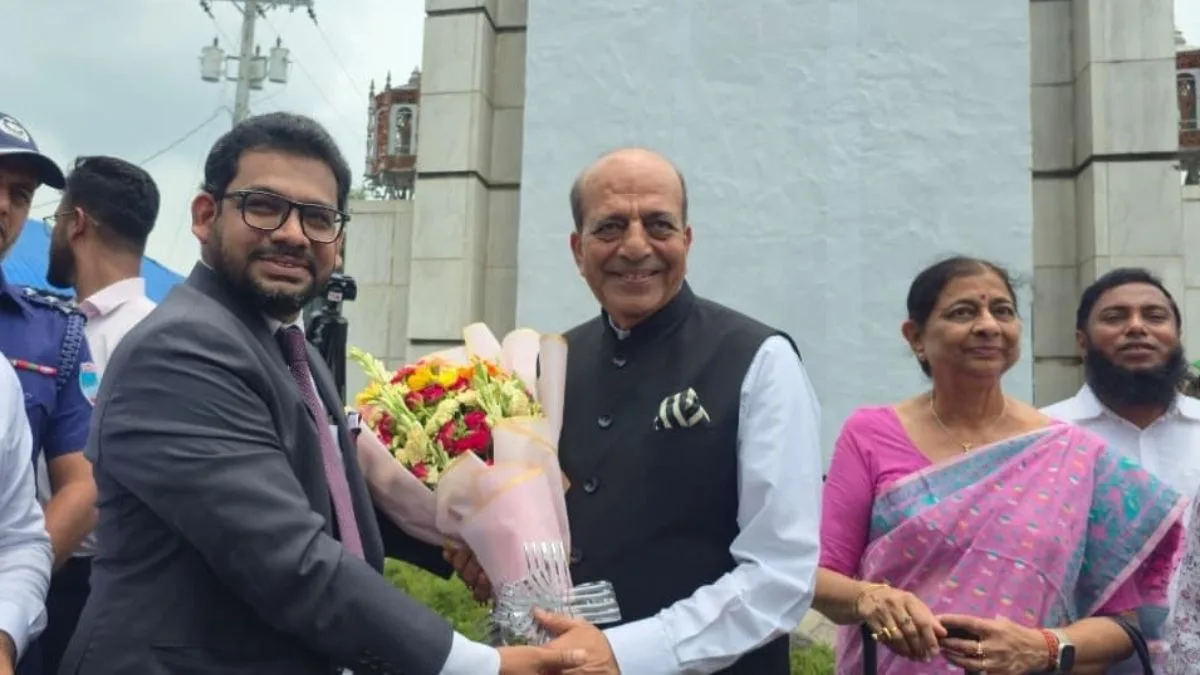
Bangladesh’s Islamist and Jamaat-aligned political spectrum immediately interpreted Dinesh Trivedi's remarks as evidence of “India’s hegemonistic designs”.

India's fuel policy is increasingly being shaped by blending targets. First came ethanol blending mandates.
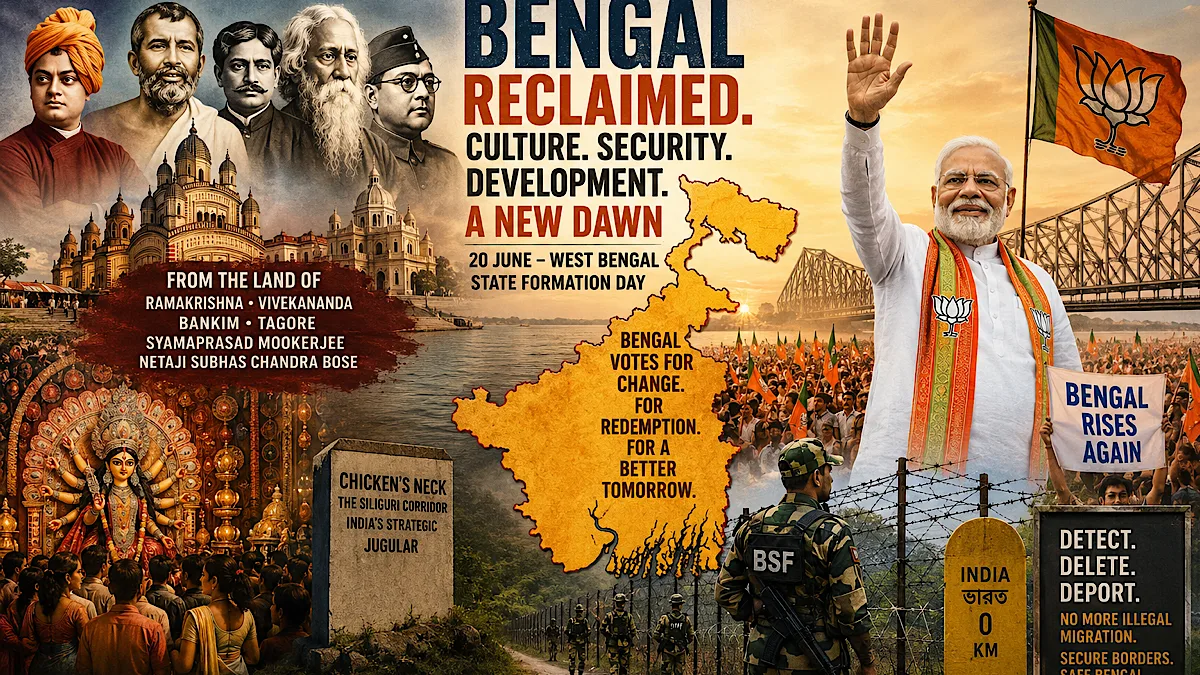
West Bengal is not merely a state. It is, in the telling of those who sought to win it back from the Trinamool Congress, a civilisational citadel - the cradle of the Bengal Renaissance, the land of Ramakrishna and Vivekananda, Bankimchandra and Tagore , Shyamaprasad Mookerjee and Netaji Subhas Chandra Bose.

India's temporary restriction on Telegram ahead of the NEET-UG re-examination has dominated headlines.

There is something profoundly ironic about a civilisation becoming embarrassed by one of its oldest mirrors.
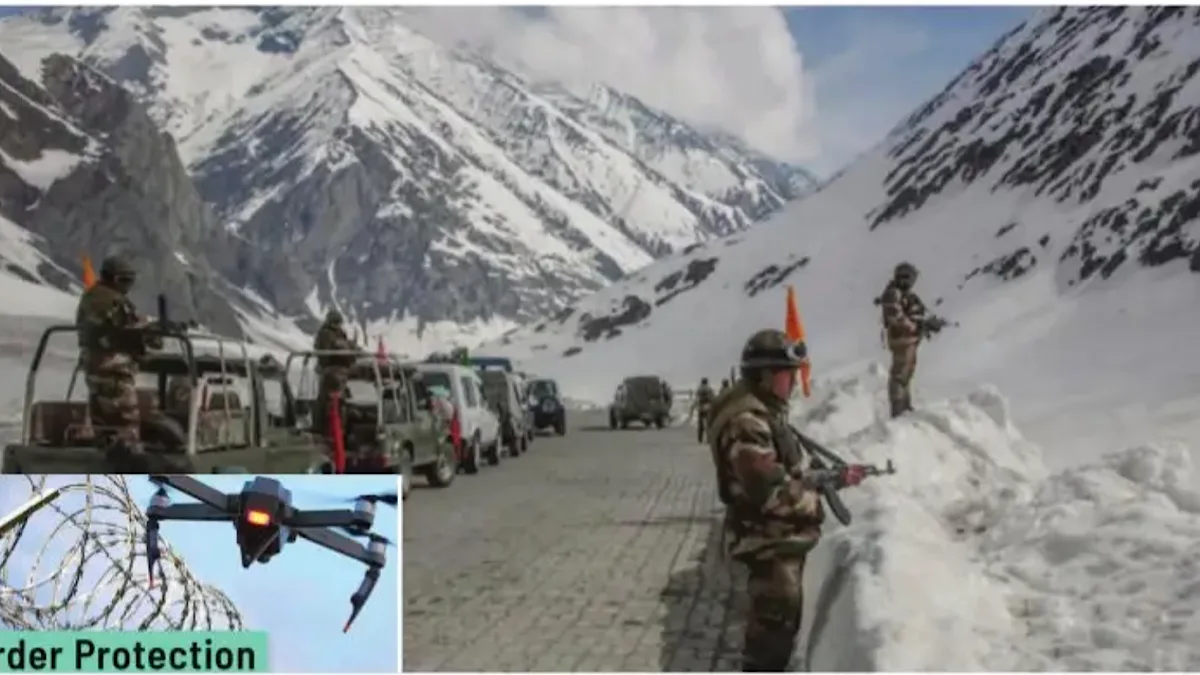
Special emphasis has been laid on the development of infrastructure in the difficult terrains in Arunachal Pradesh, Ladakh, and parts of Uttarakhand bordering China.

Throughout history, certain ideas have travelled beyond boundaries and transformed societies.

Having studied, in the sixties, at two of Bengal’s iconic institutions, and having observed the paths these have traversed, some thoughts crossed my mind for consideration of the new government.
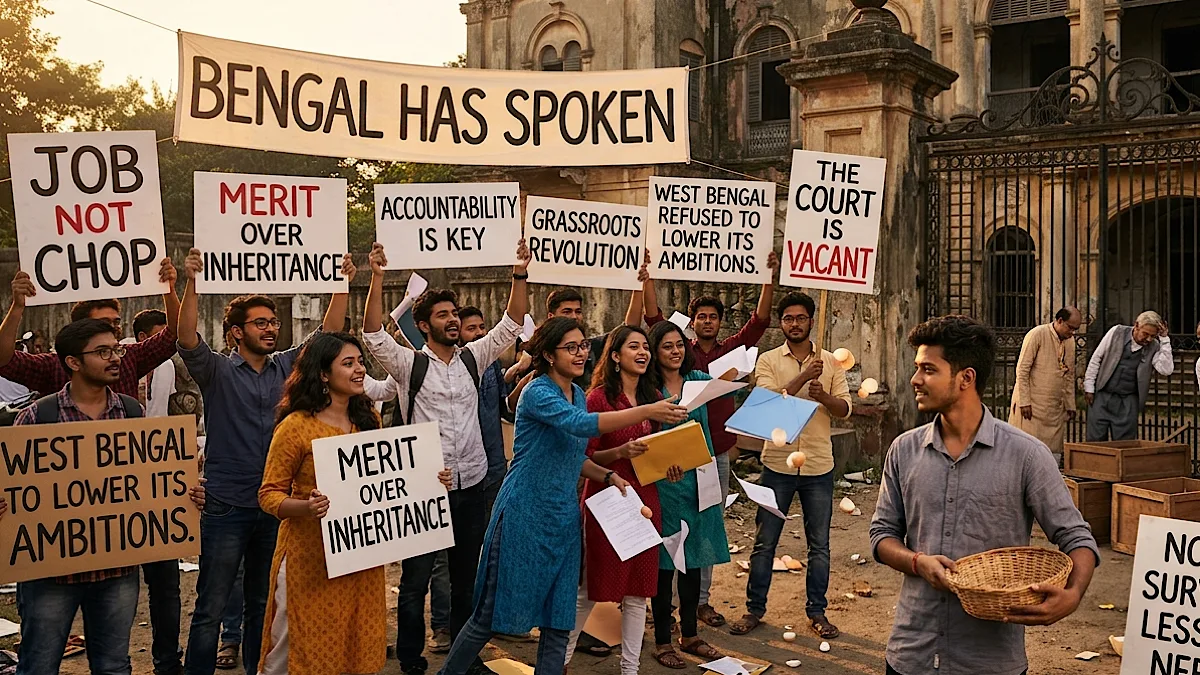
History remembers the phrase anyway because it captured something people desperately wanted to believe: that those who ruled France had become incapable of understanding the ambitions, anxieties and frustrations of ordinary people.

There was a time when financial markets valued companies on the basis of what they produced, what they earned and what they could reasonably be expected to achieve.