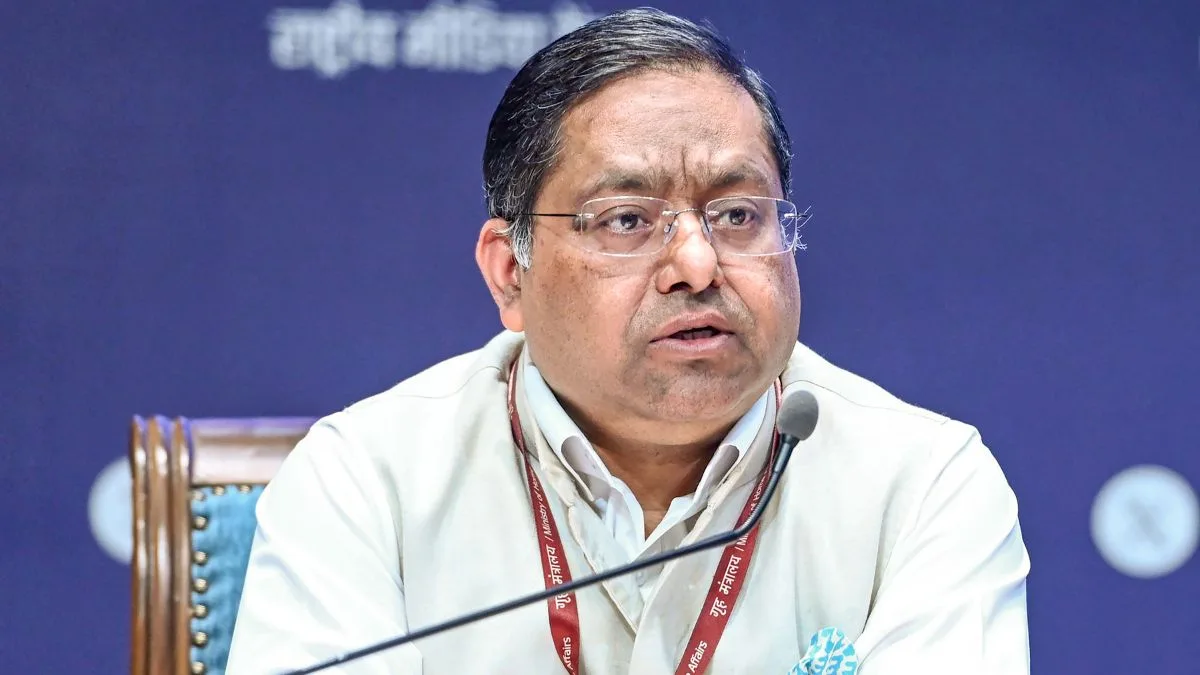
JPC defers adoption of draft report on J&K, UT Bills, seeks more consultations
The JPC said further deliberations and consultations with stakeholders were necessary before finalising its recommendations.
The Indian Opposition’s deepest crisis is no longer electoral. It is psychological.




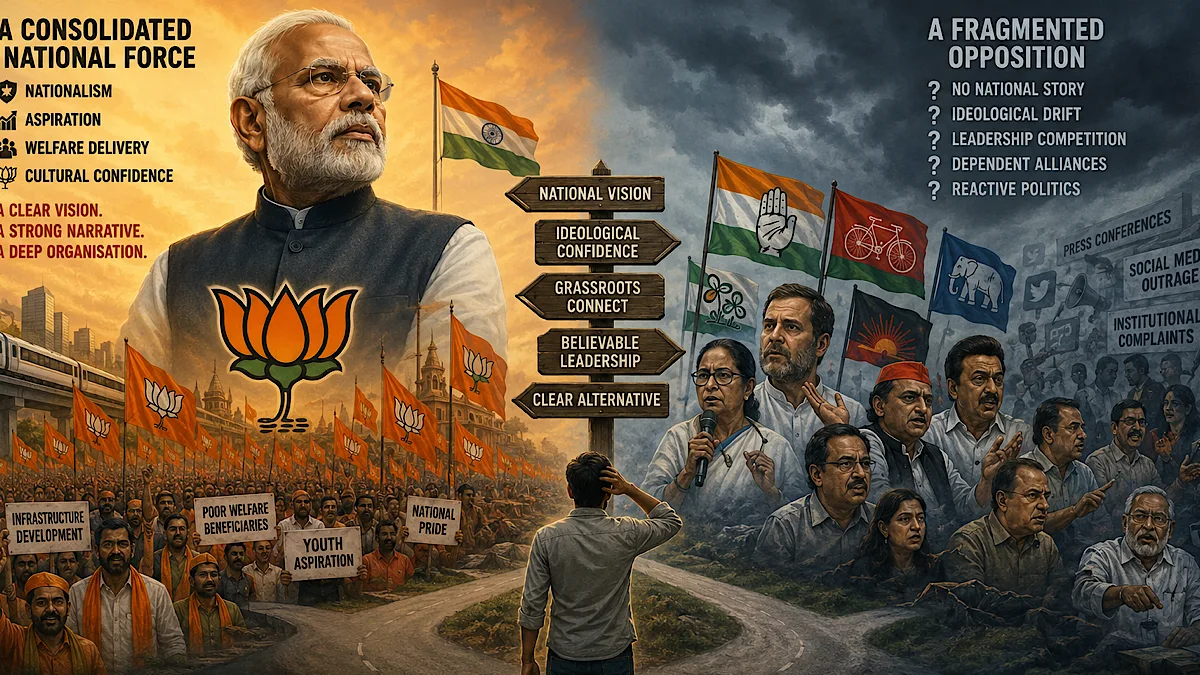
Photo:AI
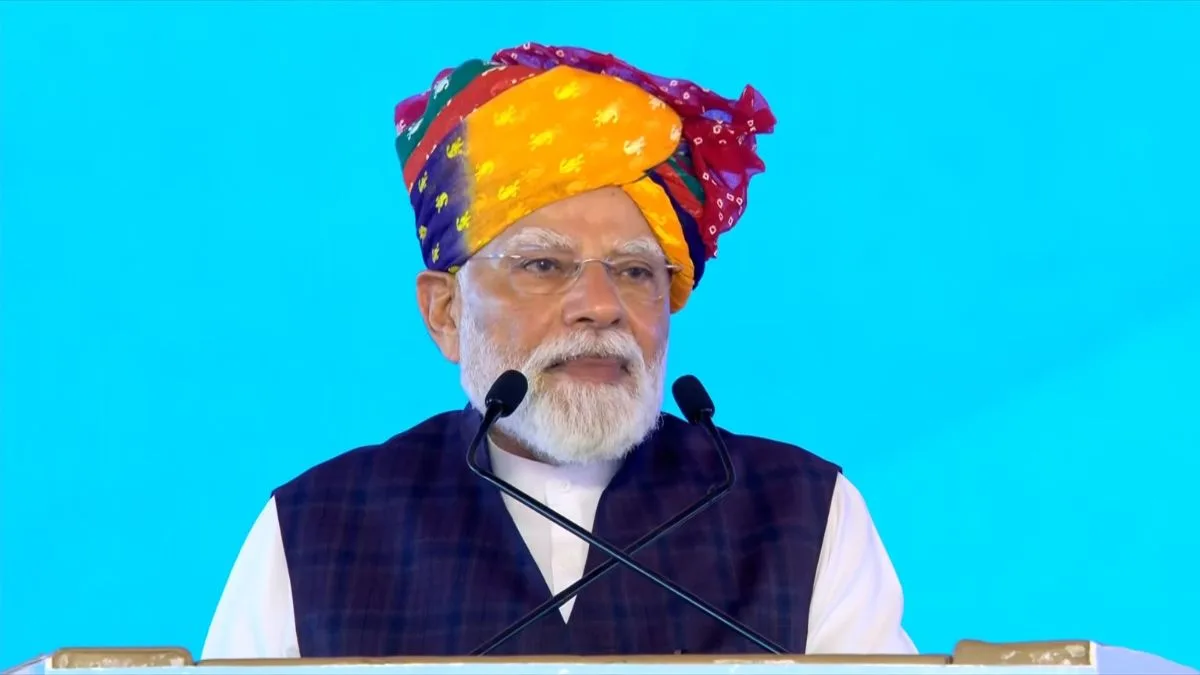
The Indian Opposition’s deepest crisis is no longer electoral. It is psychological. For nearly a decade, anti-BJP politics has revolved around a single assumption: that public dissatisfaction, economic distress, institutional controversies, or even internal contradictions within the ruling party would eventually weaken Prime Minister Narendra Modi’s dominance in the natural course.
That assumption now looks increasingly detached from political reality. The BJP has evolved beyond dependence on one leader. It has become the default national political machine in a way India has not witnessed since the Congress at its post-Independence peak. Its strength lies not merely in organisational reach or financial resources, but in occupying the emotional centre of Indian politics ~ nationalism, aspiration, welfare delivery, and cultural confidence simultaneously.
Advertisement
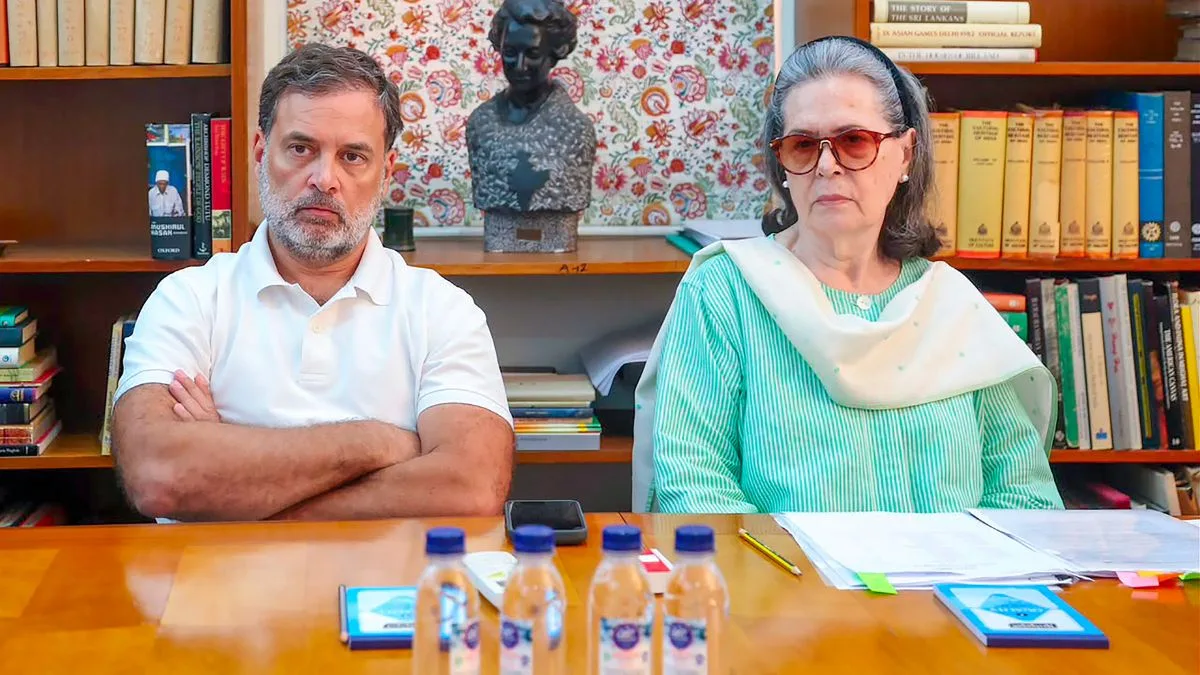
The Opposition still has not understood this shift. Most non-BJP parties continue to operate as defensive regional formations rather than as components of a coherent national alternative. Their politics is often built around preventing BJP expansion within state boundaries, not constructing a persuasive national vision. This explains the contradiction visible across India today: regional parties remain locally relevant, yet collectively appear incapable of altering the national balance of power. The Congress faces the sharpest version of this dilemma. Having lost its social coalition over three decades to regional parties like the Trinamool Congress, DMK, Samajwadi Party and others, it now depends on those very parties for survival. The result is strategic paralysis.
Advertisement
A party seeking revival cannot indefinitely play junior partner to forces that replaced it. Equally significant is the ideological drift of the Opposition. The BJP successfully positioned itself as the custodian of nationalism and political confidence, while many Opposition leaders became uncomfortable engaging on the same terrain. This allowed the ruling party to portray critics as disconnected from majority sentiment, particularly on issues involving national security, identity, and religion. That does not mean India is becoming uniformly right-wing.
The 2024 Lok Sabha election itself showed that a majority of voters still did not vote for the BJP. But voters increasingly reward clarity, conviction, and cultural confidence over fragmented coalition arithmetic. International examples reinforce this lesson. In several democracies facing dominant nationalist governments, Opposition victories have emerged not from elite consensus-building but from reconnecting with mainstream voters on everyday concerns ~ inflation, wages, public services, and corruption ~ while also engaging national identity instead of surrendering it.
Indian Opposition parties, by contrast, often appear trapped in an echo chamber of press conferences, social media outrage, and institutional complaints. None of these can substitute for political rebuilding at the grassroots. The BJP’s rise was not accidental. It was built patiently over decades through cadre expansion, ideological consistency, and narrative discipline. Defeating such a structure requires more than tactical alliances or moral criticism. It requires a rival political imagination. At present, the Opposition does not lack leaders or issues. It lacks a believable national story.
Advertisement