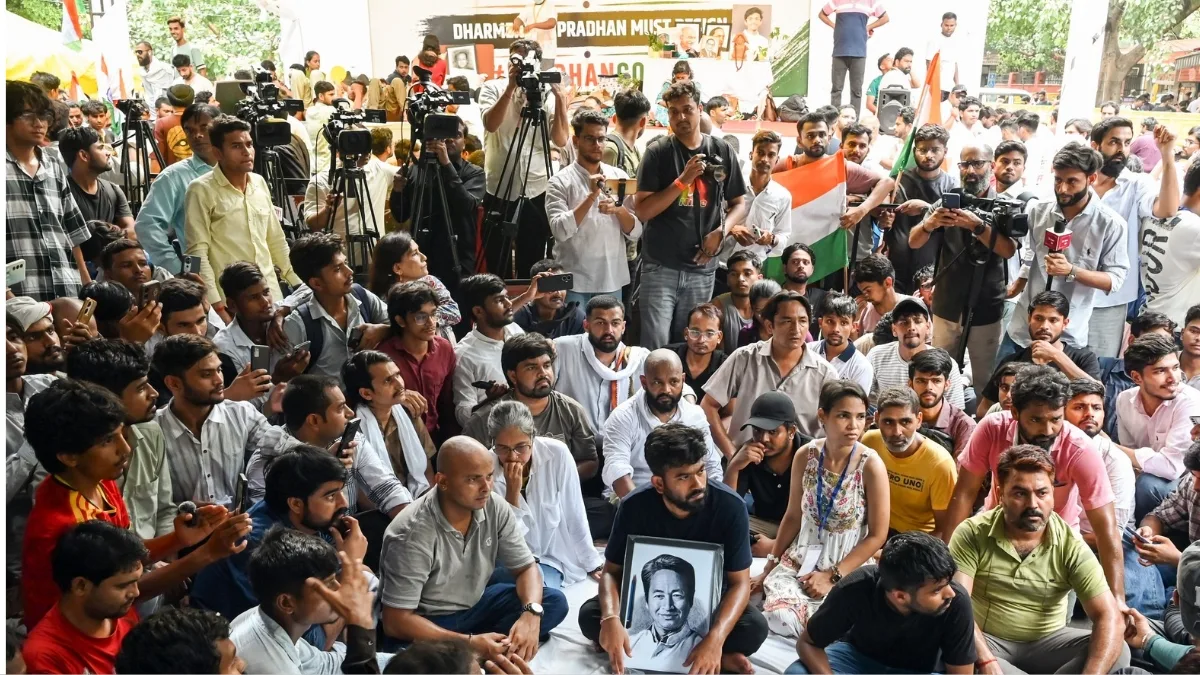
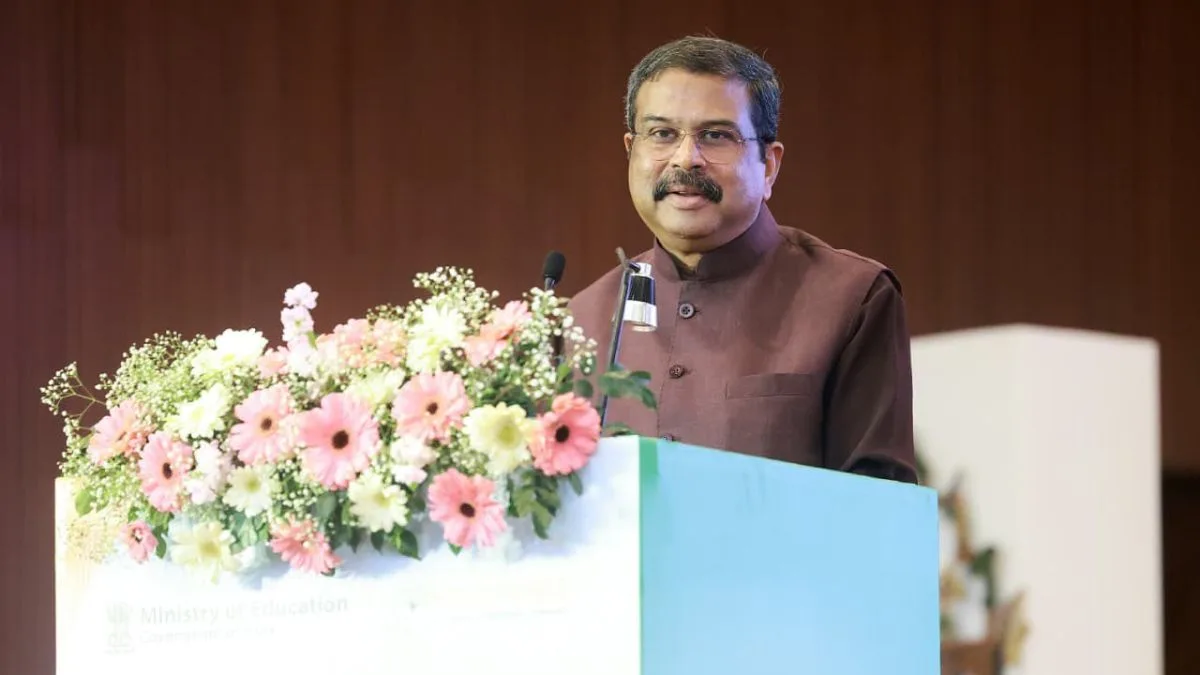
‘Violence is no solution’: Anna Hazare urges PM to initiate dialogue with protesting students
Anna Hazare stated on Thursday that violence can never be the solution to any issue.
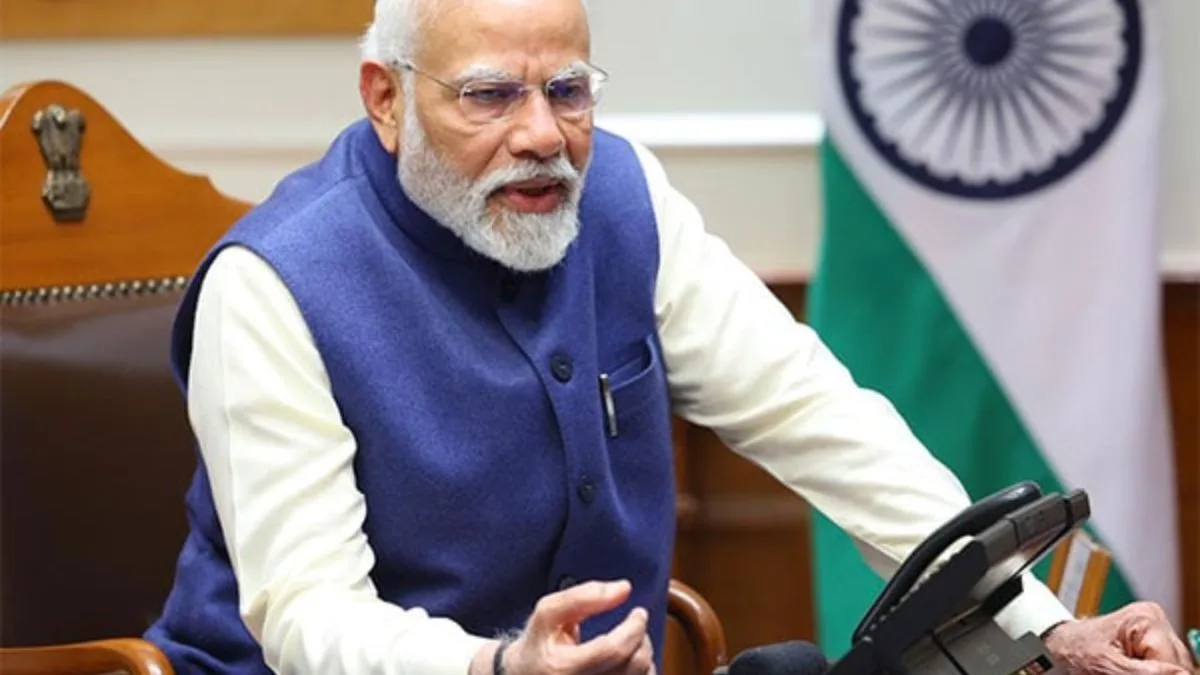
Prime Minister Narendra Modi’s promise of fast-track courts for paper-leak cases is an acknowledgement that India’s examination crisis can no longer be answered with arrests and assurances alone.




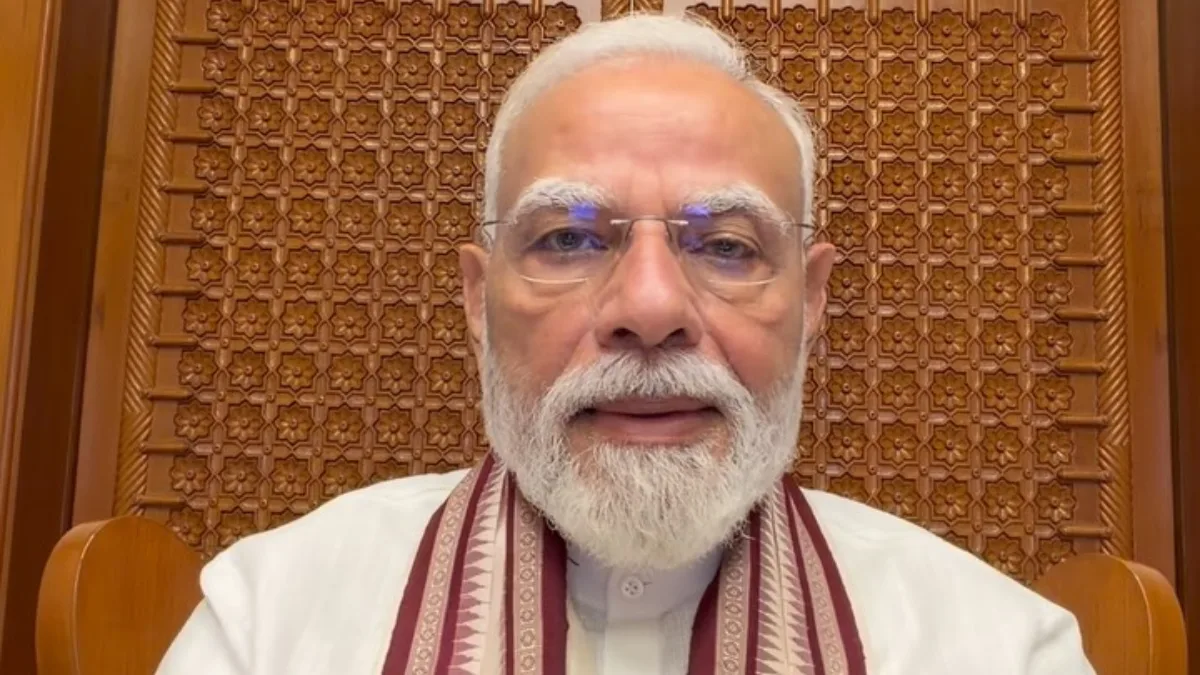
Image Source: Instagram
Prime Minister Narendra Modi’s promise of fast-track courts for paper-leak cases is an acknowledgement that India’s examination crisis can no longer be answered with arrests and assurances alone. Swift trials are desirable. But speed in court addresses only the final stretch of a much longer journey to justice. If investigations are flawed or prosecutions falter, a faster trial may merely deliver failure sooner. The record warrants such caution. The NEET-UG paper leak of 2024 led to an extensive CBI investigation and multiple charge sheets involving dozens of accused.
Yet, two years later, the case has not produced final judicial accountability. An alleged key conspirator secured statutory bail after investigators failed to file a charge sheet against him within the prescribed period. Such a lapse cannot be attributed to judicial delay. Other examination scandals reveal an even deeper malaise. In the Karnataka pre-university chemistry paper leak case of 2016, all 19 accused were eventually acquitted after serious deficiencies emerged in the investigation.
Advertisement
A fast-track court cannot manufacture evidence, repair a botched investigation or cure a defective prosecution. Effective deterrence requires competence at every stage ~ from securing examination systems and tracing criminal networks to gathering admissible evidence, filing timely charges and sustaining cases through trial. The political argument surrounding the present protests risks obscuring this institutional problem. Rahul Gandhi’s claim of 152 paper leaks affecting 7.5 crore candidates over a decade requires independent substantiation, while his assertion of zero convictions is too sweeping.
Advertisement
A detailed examination of 45 major leaks over more than two decades led to 18 convictions in only two cases. But that correction hardly offers reassurance: some convictions arrived 14 or even 23 years after the offences. Union minister and former BJP president J.P. Nadda is right that paper leaks are not peculiar to BJP governments. Congress and other parties have governed states where serious examination scandals occurred. His attempt to invoke a 2022 Jammu and Kashmir leak against the present National Conference-Congress dispensation, however, ignores that the Union Territory was then under central rule. More importantly, competitive blame cannot become collective absolution.
A systemic problem remains the responsibility of whichever government controls the institution that fails. That is why the agitation now confronting the government cannot be understood merely as anger over one compromised examination. For young Indians, competitive examinations represent years of preparation, family sacrifice and often scarce opportunities for mobility. When a paper leaks, the injury is immediate; when accountability takes years, distrust becomes institutional. Fast-track courts can therefore be part of the answer, but not its substitute.
The government must explain how investigations will improve, prosecutors will be held accountable and examination systems made harder to corrupt. The real test is not how quickly another promise is announced after public anger erupts. It is whether those who steal opportunities from millions are identified, successfully prosecuted and punished before another generation sits for the next examination. Ultimately, it is about whether leaks can be plugged.
Advertisement