Science Dividend
India's economic rise has produced a new class of billionaires whose philanthropy can shape the country’s future as much as their businesses.
What is unfolding in Iran is no longer a story of protest alone. It is a story of rupture between a state that increasingly governs through fear and a society that appears to have crossed the threshold of endurance.




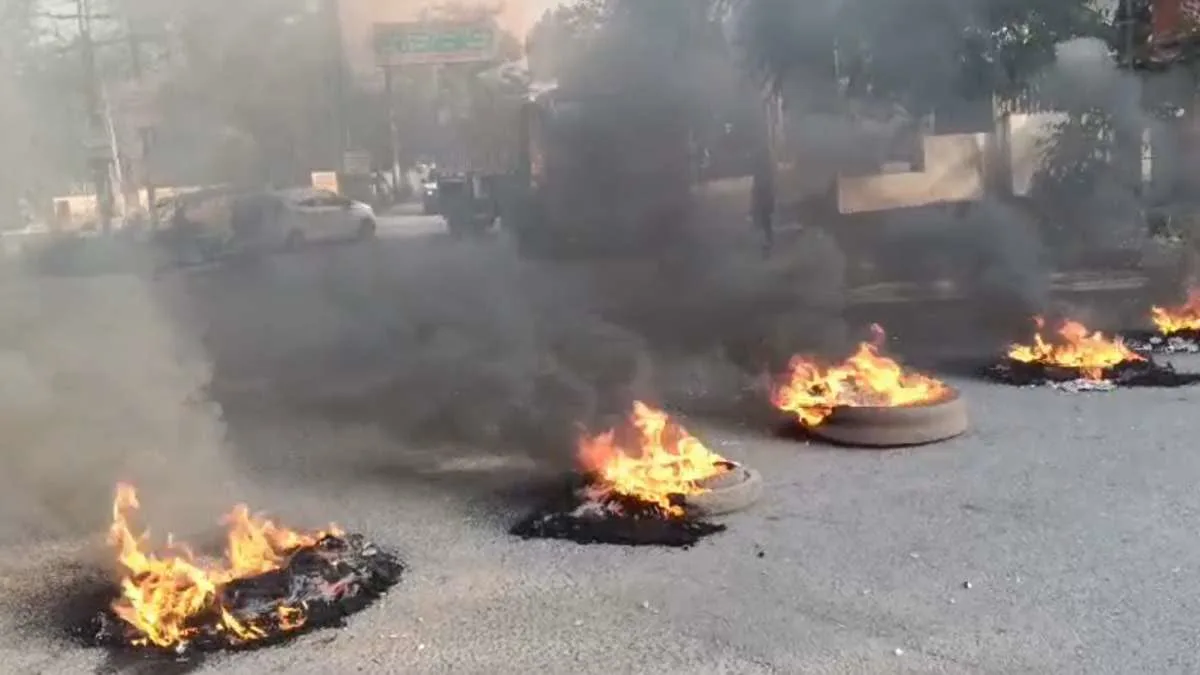
Photo: SNS
What is unfolding in Iran is no longer a story of protest alone. It is a story of rupture between a state that increasingly governs through fear and a society that appears to have crossed the threshold of endurance. The demonstrations that erupted after the country’s currency collapsed were, at first, familiar in form. Economic anxiety has driven unrest before. What followed, however, was unprecedented in scale and severity. Within days, peaceful gatherings turned into scenes of mass bloodshed, with security forces deploying live ammunition, pellet guns and sweeping detentions across major cities.
What distinguishes this moment is not only the number of deaths, but the intimacy of loss. Protesters speak not of distant casualties, but of friends, neighbours and relatives killed in front of them ~ shot in streets, struck by pellets aimed at faces, or dying later from untreated wounds due to fear of arrest. In many cases, death did not end with the bullet. Families were allegedly pressured to pay large sums to retrieve bodies or to accept falsified records that reclassified protesters as members of the security forces. Such practices served both to punish dissent and obscure the true human cost of the crackdown. Independent rights monitors working from outside the country have begun assembling a grim ledger. Thousands of deaths have been confirmed, with many more under investigation, including children among the victims.
Advertisement
Their insistence on linking fatalities to names and locations stands in stark contrast to official claims portraying the unrest as criminal violence rather than civic revolt. The widening gap between these competing narratives has itself become politically consequential. As information disappears and communication collapses, truth becomes contested terrain. This internal crisis is unfolding alongside escalating external pressure. As the regime confronts its deepest legitimacy challenge in decades, the United States has intensified military posturing and revived threats tied to the country’s nuclear programme. The convergence has proved destabilising. Officials continue to project defiance, insisting authority remains intact. Yet the scale of the crackdown suggests vulnerability rather than confidence. Governments secure in consent rarely need to fire live rounds at crowds; force dominates when persuasion fails. What now confronts the leadership is not merely unrest, but erosion.
Advertisement
The economy shows little sign of recovery. Public trust has frayed. Each funeral, each detained body, each silenced family deepens the divide between ruler and ruled. History offers few examples where repression of this magnitude produces durable stability. Streets may be cleared temporarily, but political relationships are reshaped irreversibly. Once citizens witness indiscriminate violence, fear loses its binding power. Iran may succeed in suppressing demonstrations for now. Yet beneath the imposed calm lie accumulated grief, unresolved anger, and a widening moral breach. A state can dominate public space, but it cannot easily reclaim lost legitimacy. The tragedy unfolding is therefore not confined to casualty figures alone. It lies in what the violence reveals: a leadership running out of arguments, and a society no longer convinced that silence ensures survival.
Advertisement