PM Modi slams Congress, RJD over abusive slur against his late mother
"This abuse is not just an insult to my mother, but to the mothers, sisters, and daughters of this country," Modi said.
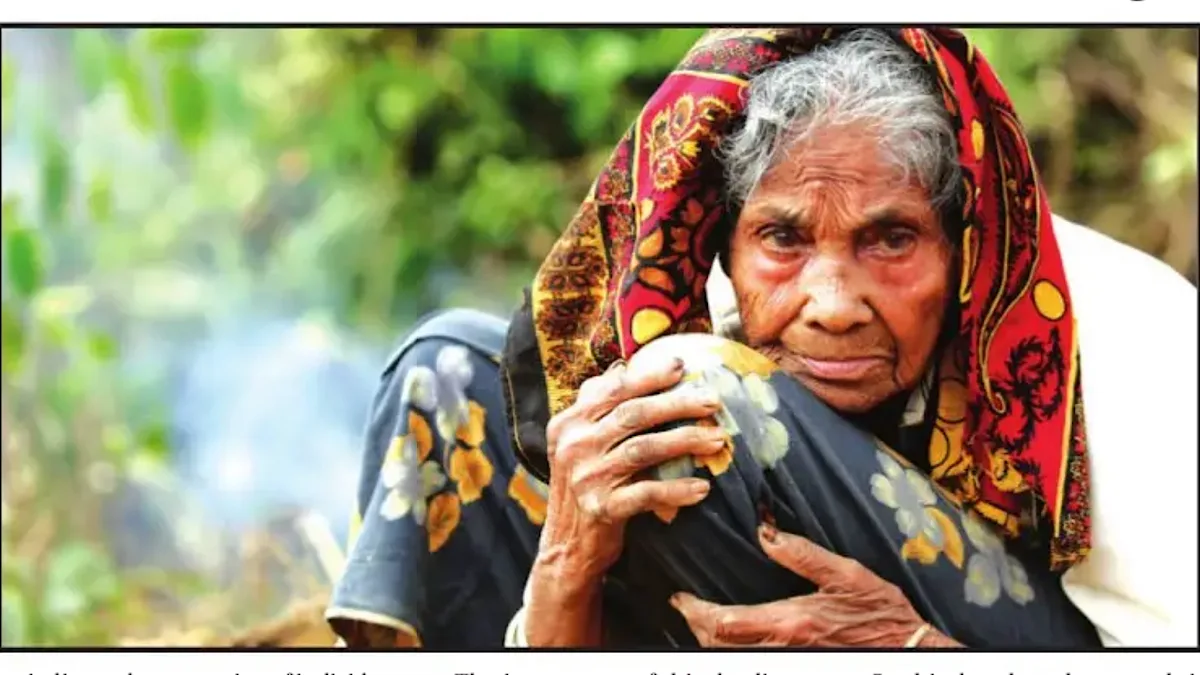
Every year, on the 15th of June, the global community observes World Elder Abuse Awareness Day (WEAAD), a day dedicated to raising consciousness about a grave and often hidden social injustice — the abuse and mistreatment of older persons.




World Elder Abuse Awareness Day
Every year, on the 15th of June, the global community observes World Elder Abuse Awareness Day (WEAAD), a day dedicated to raising consciousness about a grave and often hidden social injustice — the abuse and mistreatment of older persons. This observance, officially recognized by the United Nations General Assembly in 2011, is not just a ceremonial date marked on calendars but a heartfelt call for compassion, responsibility, and action.
As the world population ages at an unprecedented rate and life expectancies rise, the challenges faced by older individuals are becoming increasingly complex. Amid these challenges, one of the most troubling is the growing incidence of elder abuse — a problem that continues to persist silently in the shadows of modern society. It is in this context that World Elder Abuse Awareness Day gains profound significance, serving as a platform to illuminate dark corners and to inspire efforts to protect and uphold the dignity of senior citizens. Elder abuse encompasses a wide spectrum of harmful acts, including physical violence, emotional or psychological torment, financial exploitation, sexual abuse, and even neglect — whether intentional or due to indifference.
Advertisement
What makes elder abuse particularly heart-breaking is the fact that it often occurs in environments that are supposed to be safe havens, perpetrated by individuals the elderly trust — such as family members, caregivers, or close acquaintances. This betrayal of trust makes the abuse not only painful but deeply humiliating. Many older individuals do not speak up, often due to feelings of shame, fear of retaliation, emotional dependence, or even a desire to protect the very people who are harming them. In many societies, including our own, elders are taught to endure in silence, to adjust, to avoid complaints, and to believe that their suffering is an inevitable part of old age.
Advertisement
This silence, though culturally ingrained, becomes a dangerous barrier to justice and care. Data from international organizations such as the World Health Organization reveal that nearly one in six people aged sixty and above face some form of abuse each year. These figures are likely underreported due to the hidden nature of the problem. Situations of crisis, such as natural disasters, economic downturns, and pandemics like Covid-19, further aggravate the vulnerability of older individuals. During such times, when social isolation and emotional stress increase, the elderly are often left with diminished access to care, dwindling financial support, and heightened dependence on others. The risk of neglect and abuse increases substantially under such conditions.
The disturbing truth is that elder abuse is not confined to any one part of the world or a specific socio-economic class. It is a global human rights issue that transcends geography, culture, and income, affecting people everywhere. The observance of World Elder Abuse Awareness Day is a vital and symbolic recognition of this reality. It is an opportunity to break the silence and give voice to those who are often marginalized by age and circumstance. The day draws attention to the necessity of collective vigilance and community responsibility in identifying and addressing elder abuse. It serves as a beacon of hope and a promise that the world has not forgotten its elders. Through awareness campaigns, educational programmes, community outreach, and media engagement, this day plays a crucial role in changing societal attitudes. It highlights the importance of respectful intergenerational relationships and the need to challenge deep-rooted ageism — the prejudice and stereotyping of individuals based on age.
Culturally, many societies, especially in countries like India, have long held the elderly in high esteem, viewing them as custodians of wisdom, tradition, and moral guidance. Ancient texts, folklore, and customs celebrate the role of elders in nurturing generations and preserving the values of family and community life. However, changing lifestyles, rapid urbanization, the rise of nuclear families, and migration have disrupted traditional support systems. As a result, many elderly individuals today face emotional neglect, loneliness, and even abandonment. In such a scenario, the respect that once formed the bedrock of intergenerational relationships is slowly being eroded. World Elder Abuse Awareness Day becomes not only a day of advocacy but also one of cultural reflection — urging societies to reclaim their lost ethos and to realign themselves with values that honour and protect the aged.
The importance of this day lies also in its ability to inspire policy changes, strengthen legal frameworks, and mobilize institutional responses. Governments are reminded of their responsibility to enact laws that provide safety nets for older citizens, to improve healthcare services, to implement pension schemes, and to ensure prompt justice for victims of abuse. Non-governmental organizations, social workers, and community groups play an essential role in amplifying the voices of elders, conducting home visits, running helplines, organizing support groups, and spreading awareness through various channels. But beyond government and institutions, the real battle against elder abuse begins at the grassroots — in homes, neighbourhoods, and everyday interactions. Each individual has a role to play. Listening to our elders, spending time with them, recognizing the signs of abuse or distress, and encouraging open conversations about their needs are small but significant steps that can make a world of difference.
On this day, the colour purple is worn as a symbol of dignity, respect, and solidarity with the elderly. But while symbolic gestures are important, what older individuals truly seek is dignity in daily life, safety in their surroundings, and love from the people around them. They need reassurance that they are not forgotten, not obsolete, not a burden — but valued members of society who deserve comfort, care, and joy in their twilight years. To grow old is a privilege denied to many. It is a stage of life that should be accompanied by peace, reflection, and contentment — not fear, humiliation, or suffering. World Elder Abuse Awareness Day is a gentle yet powerful reminder that behind every wrinkled face is a lifetime of experiences, sacrifices, and dreams. These are the hands that once held ours, the voices that guided us, and the hearts that beat for our well-being. Let us not fail them in their hour of need.
(The writer is an accountant and a freelance writer.)
Advertisement