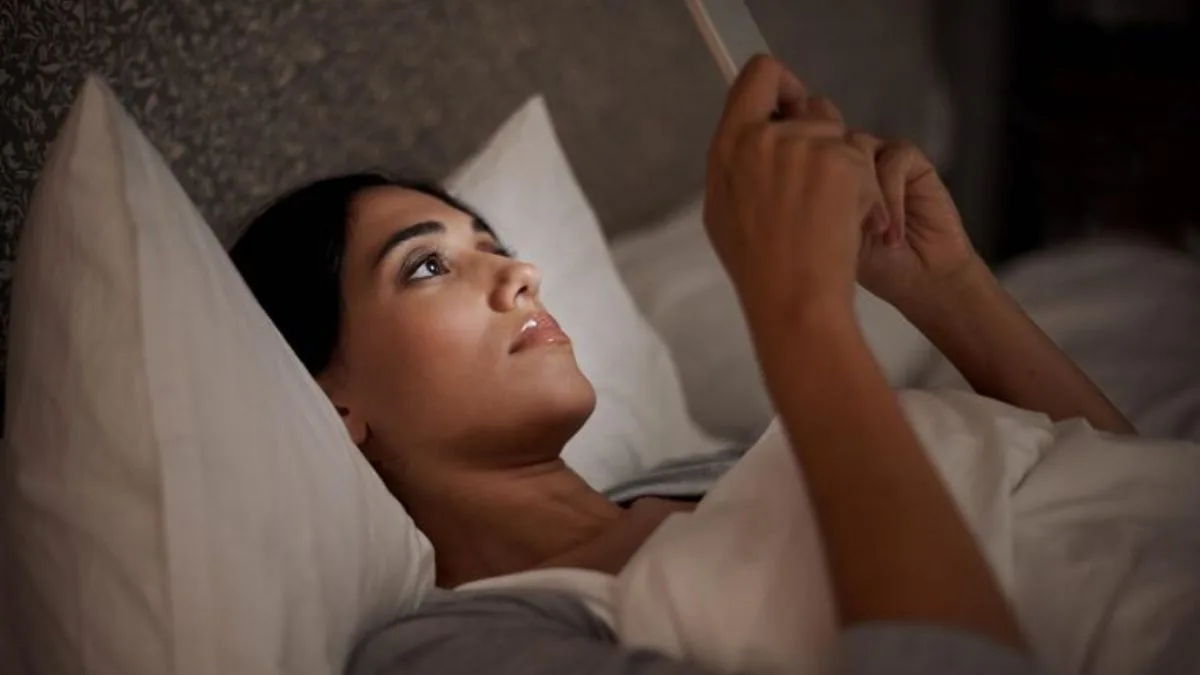
Once upon a time, staying up late at nights until morning felt like a personality trait. The dim glow of your laptop, the half-empty iced coffee, the quiet world while everyone else slept, talking to your crush on an old Nokia phone, ah!
Fast forward to 2026, and late-night chic has faded. Dark circles are no longer fashionable. They are a warning. Burnout isn’t impressive. It is dangerous. And getting eight hours of sleep? That’s the new status symbol.
Advertisement
It turns out, the consequences of ignoring sleep go far beyond groggy mornings. Science has begun to expose what your late nights are really costing you. And it’s not pretty.
The science behind your messed-up sleep
Your sleep problems didn’t appear overnight. They’ve been creeping in quietly, day by day, fueled by late-night scrolling, binge-watching, caffeine, and stress that never clocks out.
Your body runs on a circadian rhythm, an internal clock that regulates sleep, wakefulness, hormone release, and metabolism.
According to researchers at Harvard Medical School, misaligning your sleep schedule with your circadian rhythm can cause “circadian misalignment,” leading to metabolic issues, cardiovascular risk, mood disorders, and impaired cognition.
Blue light, emitted by phones, laptops, and tablets, suppresses melatonin, the hormone that tells your body it’s time to sleep. A 2019 study in Chronobiology International found that using screens an hour before bed can delay sleep onset by up to 30 minutes, and reduce total sleep time over a week.
Even social and cultural pressures play a role. Our modern world rewards being “always on.” Work emails at 10 pm, scrolling through social media, or late-night side hustles all signal your body that it’s “go time,” while your circadian rhythm silently screams for rest.
Sleep deprivation is a full-body threat
Everyone knows fatigue is a problem, but the deeper effects of late nights are creeping, cumulative, and scary.
1. Mood and emotional health:
A single night of poor sleep can make you more emotionally reactive. Research from UC Berkeley found that sleep deprivation increases activity in the amygdala, the brain’s fear and stress center, by up to 60%.
That means small annoyances feel overwhelming, anxiety spikes, patience runs thin.
2. Brain function and creativity:
Chronic late-night habits impair memory, learning, creativity. The National Institutes of Health (NIH) reports that sleep deprivation reduces the brain’s ability to form new memories and solve problems.
Night owls consistently score lower on tests of attention, reaction time, executive function.
3. Physical health risks:
Ignoring your sleep schedule increases risk of serious health problems:
Heart disease & stroke: Long-term sleep deprivation is linked to higher blood pressure and increased risk of cardiovascular events according to a meta-analysis in European Heart Journal (2020).
Diabetes & obesity: Skipping sleep disrupts insulin sensitivity and increases appetite. The CDC notes that adults sleeping less than six hours per night are 30% more likely to be obese.
Immune system suppression: Lack of sleep reduces the production of infection-fighting cells. Harvard researchers found that people sleeping under 6 hours were 3 times more likely to catch a cold.
4. Skin and beauty effects:
Sleep loss triggers inflammation, which accelerates aging, worsens acne, and reduces skin elasticity. A 2015 study in Clinical and Experimental Dermatology found that participants with poor sleep had more fine lines, uneven pigmentation, and sallow skin.
Your late-night Instagram glow? Totally fictional.
5. Metabolism and cravings:
Sleep-deprived people crave sugar, carbs, ultra-processed foods. Hormones like ghrelin (hunger hormone) spike. Leptin (satiety hormone) drops.
A study at University of Chicago showed that just two nights of restricted sleep led participants to eat 550 extra calories per day. Yes, per day!
6. Mental health & joy:
Chronic sleep deprivation dulls sense of joy. Research from Johns Hopkins University revealed that poor sleepers experience muted emotional responses. They have reduced motivation, higher risk of depression.
Life feels foggy… not because it is, but because your brain literally can’t process it fully.
Early birds vs. night owls: Who wins?
A large-scale study of 433,000 participants published in Chronobiology International (2020) revealed that night owls face higher risks of health problems compared to early risers. These included 10% higher risk of diabetes, 11% higher risk of psychological disorders, 12% increased risk of metabolic syndrome.
Interestingly the study noted that night owls also tend to experience lower academic or work performance. This is not because they’re lazy but because their peak productivity hours often misalign with typical societal schedules.
The hidden cost of the late-night grind
There’s more than just personal health at stake. Late-night habits affect:
Relationships: Irritability, fatigue, and low emotional bandwidth strain connections with partners, friends, colleagues.
Work performance: Fatigue lowers focus and decision-making. According to a Sleep Health Journal study, employees with chronic sleep deprivation make 36% more errors.
Long-term life satisfaction: Sleep quality predicts life satisfaction. The American Psychological Association notes that people who maintain consistent sleep schedules report higher happiness and well-being.
In short, staying up late isn’t a badge of honour. It’s a slow siphon on your vitality, joy, and health.
Sleep isn’t a luxury. It’s a superpower. It repairs your brain, fuels your energy, improves emotional balance, and even enhances attractiveness (thanks, skin and posture). It’s not laziness to prioritise sleep. It’s reclaiming yourself in a world designed to keep you exhausted.