Acharya Balkrishna, the well-known Ayurvedic practitioner and co-founder of Patanjali, recently shared a simple home remedy on Facebook that has caught the attention of thousands. His advice: grind two teaspoons of fenugreek seeds, mix them into half a bowl of thick curd, apply the paste to your hair roots, wait thirty minutes, then wash it off. He says this not only clears dandruff but also stops hair from falling.
The remedy sounds almost too easy. But there is real science behind both ingredients, and people have been using them in Indian homes for generations.
Advertisement
Why your scalp gets flaky in the first place
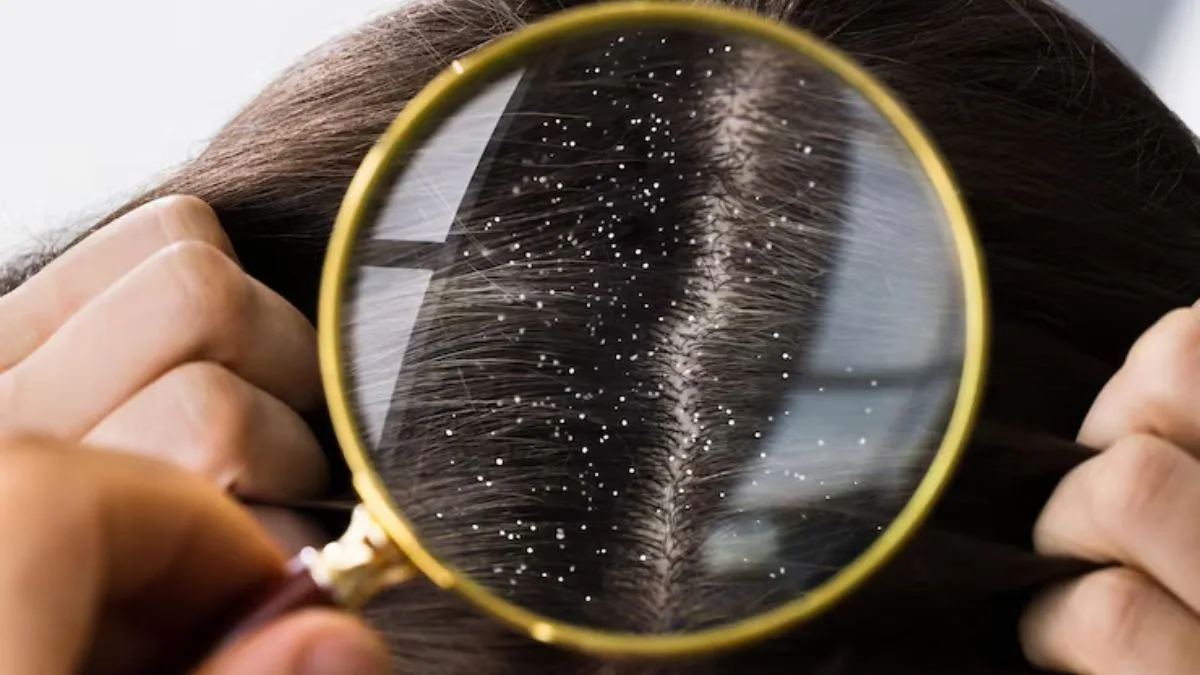
Dandruff is not just a dry scalp problem. In most cases, it is caused by a yeast-like fungus called Malassezia that lives on the scalp. When this fungus grows too fast, it irritates the skin. Then it causes dead cells faster than usual. Those white or yellowish flakes you see on your shoulders? That is your scalp trying to get rid of the irritation.
Heat, stress, oily skin, and poor gut health can all make dandruff worse. Pollution, especially in cities like Delhi, also clogs scalp pores and slows healthy skin turnover.
What fenugreek seeds actually do to your scalp
Fenugreek, known as methi in Hindi, is rich in protein and a compound called lecithin, which strengthens hair from the root. It also contains nicotinic acid, which has long been studied for its ability to promote hair growth and reduce breakage.
More importantly, fenugreek has natural antifungal properties. Studies have found that fenugreek seed extracts can fight the same kind of fungal activity that triggers dandruff. When applied directly to the scalp, it may help bring that overactive fungal growth under control, without the harsh chemicals found in most anti-dandruff shampoos.
What thick curd brings to the mix
Curd is a natural probiotic. Just as eating curd helps balance gut bacteria, applying it to the scalp introduces good bacteria. It can fight off the harmful microbes causing irritation. It also contains lactic acid which gently exfoliates the scalp by clearing away dead skin and product buildup without stripping natural oils.
The fat content in thick curd adds moisture, which is especially helpful if your dandruff is linked to dryness rather than oiliness. It leaves hair soft and manageable after washing.
How to do it right at home
Take two teaspoons of fenugreek seeds and soak them overnight in water. This softens them and makes grinding easier. In the morning, drain the water and grind the seeds into a smooth paste. Mix this paste with half a bowl of fresh, thick curd. The thicker the better, so it does not drip.
Part your hair into sections and apply the mixture directly to your scalp using your fingers or a brush. Leave it on for thirty minutes, then rinse with plain water first and follow with a mild shampoo.
Using this once or twice a week for a month can show noticeable results.
A word of caution
If your dandruff is severe, red, or accompanied by sores, see a dermatologist. A home remedy can support scalp health but is not a substitute for medical treatment when an underlying skin condition is involved.
That said, for everyday flakiness, your kitchen might have the answer. And it has had it all along.