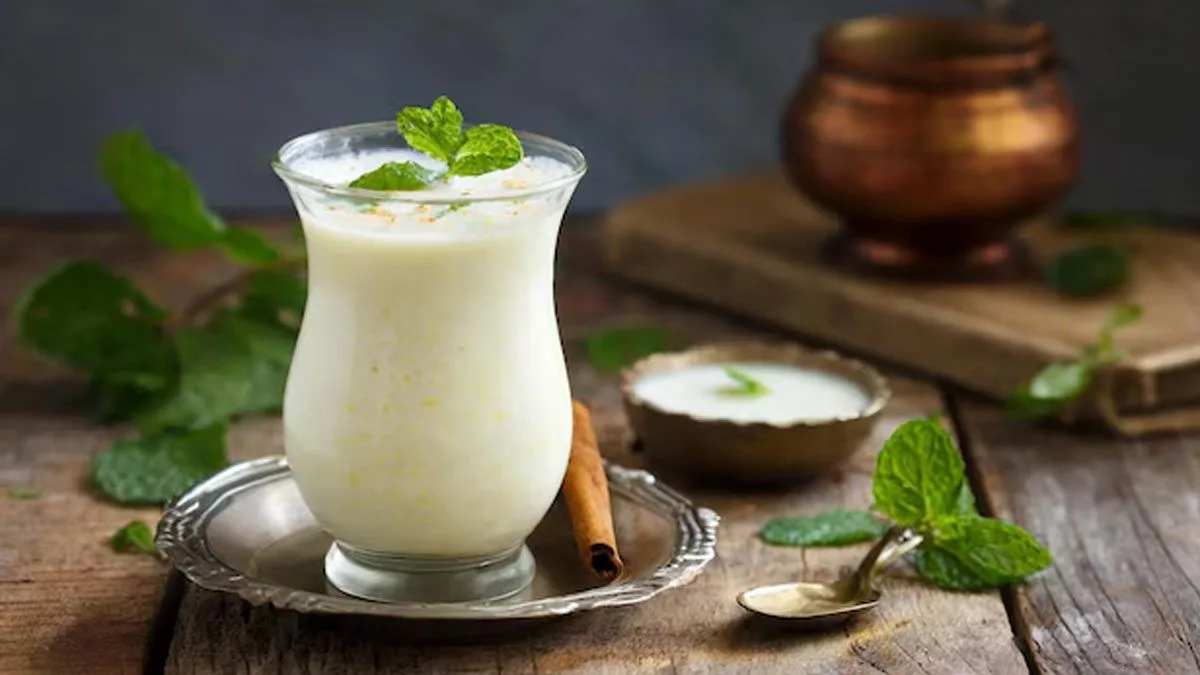
Acharya Balkrishna recently shared a straightforward remedy on Facebook. When nausea and vomiting strike due to excessive heat, drink buttermilk mixed with roasted cumin and rock salt. It works fast, he says. This is not just folk wisdom passed down through generations. Each ingredient in this combination has a documented physiological role. Understanding why this works helps you use it better.
Advertisement
Why excess heat causes nausea and vomiting
The body maintains a core temperature of around 37 degrees Celsius. When external heat pushes this higher, the body triggers multiple responses to cool down. Blood flow is redirected to the skin. Sweating increases. Digestion slows down significantly.
This is where nausea begins. The digestive system is heavily dependent on blood supply. When circulation is pulled away from the gut toward the skin, gastric motility drops. Food and stomach acid sit longer than they should. The result is bloating, discomfort, and nausea.
Severe heat also causes electrolyte loss through sweat. Sodium, potassium, and magnesium levels drop. Low sodium directly affects the nervous system and triggers nausea. This is a well-documented symptom of heat exhaustion. According to the Centers for Disease Control and Prevention, nausea and vomiting are among the primary signs of heat-related illness.
Dehydration compounds the problem further. Even mild dehydration of 1 to 2 percent of body weight can impair digestion and trigger nausea in sensitive individuals.
What buttermilk does to the body
Buttermilk, known as chaach or matha in Hindi, is the liquid left after churning curd to extract butter. Traditional Indian buttermilk is diluted, mildly sour, and light on the stomach. It is very different from the thicker cultured buttermilk sold in Western markets.
The cooling effect of buttermilk is its first advantage. It lowers the body’s internal heat load when consumed. In Ayurveda, buttermilk is classified as a pitta-pacifying food. Pitta governs heat and metabolism in the body. Excess pitta is directly linked to nausea, acid reflux, and vomiting.
Buttermilk is also rich in lactic acid bacteria. These probiotics support gut health and improve gastric motility. A 2012 study in the Journal of Dairy Science confirmed that fermented dairy products significantly improve digestive function and reduce gastrointestinal discomfort.
The electrolyte content of buttermilk is another key factor. It contains sodium, potassium, calcium, and magnesium. These are the exact minerals lost through sweat during heat exposure. Drinking buttermilk during or after heat exposure partially restores this electrolyte balance. This directly addresses one of the root causes of heat-induced nausea.
Buttermilk is also easy on the stomach when nausea is already present. It is light, liquid, and does not require heavy digestion. This makes it a practical choice when solid food is not tolerable.
How to prepare it correctly
Use fresh homemade buttermilk if possible. Take one glass of thin curd-based buttermilk. Add a quarter teaspoon of roasted cumin powder. Add a small pinch of rock salt. Stir well and drink slowly.
Roast cumin on a dry pan over low heat until it turns slightly darker and releases its aroma. Do not burn it. Grind or crush it before adding to the buttermilk.
Drink it at room temperature or slightly cool. Very cold drinks can shock the stomach when nausea is present and worsen the condition.
When to go beyond home remedies
This remedy suits mild to moderate heat-induced nausea. It is not a substitute for medical care in serious situations.
Seek medical attention if vomiting is severe and persistent, if there is no urination for more than six hours, if the person is confused or losing consciousness, or if body temperature exceeds 39.5 degrees Celsius. These are signs of heat stroke, which is a medical emergency.
Children, elderly individuals, and people with kidney disease should be cautious with any salt intake and must consult a doctor if symptoms are severe.