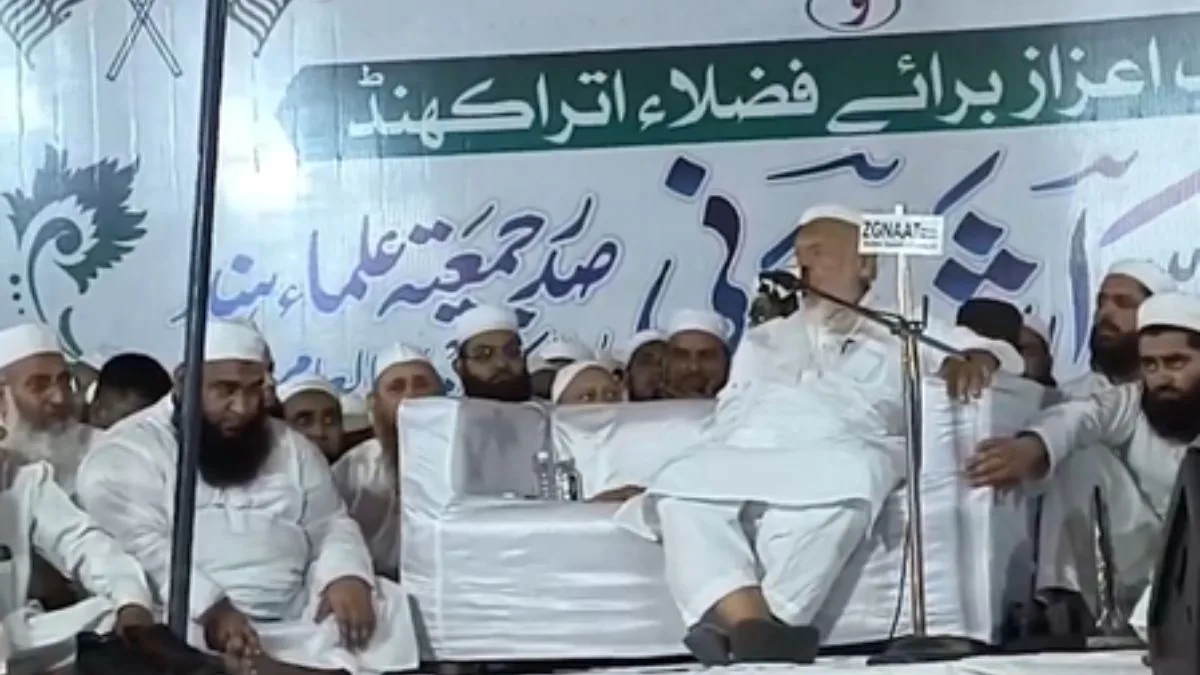
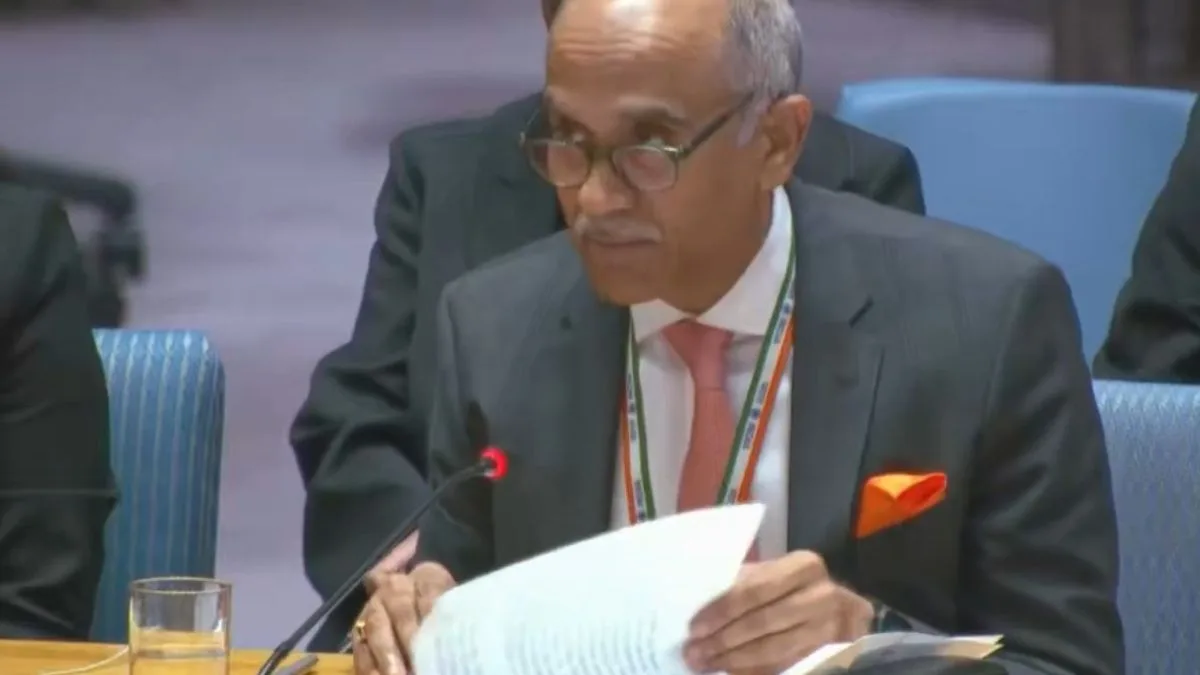
A speech by Jamiat Ulema-e-Hind president Maulana Syed Arshad Madani in Uttarakhand’s Kaliyar on Tuesday has triggered controversy after he referred to a historical call for “jihad” during India’s struggle against colonial rule.
Addressing a gathering of Islamic scholars, Quran memorisers and members of the Muslim community, Madani spoke on issues ranging from religious freedom and social harmony to the role of Muslims in India’s past and present. His remarks on ‘jihad’ quickly drew attention and sparked debate.
Advertisement
Madani links ‘jihad’ to freedom struggle
Referring to the period of British rule, Madani said that a call for “jihad” had been issued in 1803 to secure the country’s freedom.
“In 1803, when our country was enslaved, a call for ‘Jihad’ was issued for the nation’s freedom. And to free it, to break off the chains of slavery from our necks, doing jihad is the duty of every Muslim. This is a movement that originated from the madrasas. Whoever does not know this is ignorant,” he told the gathering.
Madani was in Kaliyar near Roorkee to attend a meeting of the Jamiat Ulema-e-Hind State Executive Committee as chief guest.
During his address, Madani said Muslims and mosques had played an important role in India’s freedom movement.
Calls for harmony and politics of love
Madani further urged people to promote communal harmony and reject hatred.
“A nation cannot survive without love and affection. I urge everyone: if you love the country, abandon the politics of hatred and keep the politics of love alive,” he said.
He also called upon Muslims to treat everyone with love and respect, saying loyalty to the country is reflected through such conduct.
Recalling relief work carried out by Jamiat Ulema-e-Hind during floods in West Bengal, Madani said the organisation had provided food assistance to people across communities.