A severe gas blowout at Oil and Natural Gas Corporation’s (ONGC) well RDS-147A in Barichuk-Bhotiyapara has entered its seventh day, intensifying public anxiety and exposing gaps in industrial safety and emergency response systems.
The leak began on June 12 at 11:45 am with a powerful explosion during a workover operation conducted by contractor group SK Petro using Rig 135-VI. ONGC’s initial statement claimed that the situation was “under control” with no fire or injuries.
Advertisement
However, the reality on the ground told a different story. Since the explosion, natural gas has been escaping at an increasing rate, prompting mass evacuations and emergency measures.
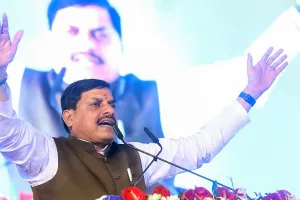
On Monday, Assam Chief Minister Himanta Biswa Sarma visited the site and publicly expressed grave concern.
In a letter to Union Petroleum Minister Hardeep Singh Puri, he urged the Centre to instruct ONGC to act in “mission mode” to control the situation. “The state government is doing everything it can to assist the affected people, but ONGC must act with urgency and transparency,” Sarma posted on social media.
In response, ONGC has now announced plans to bring in disaster management experts from the United States.
Bhaskar Choudhury Nitam, Executive Officer of ONGC’s Assam Asset, confirmed that international consultations were underway and experts with specialized blowout control experience would soon be deployed.
Approximately 350 families have been relocated to temporary relief camps amid fears that the continuous leakage could result in a fire or explosion.
ONGC has been pumping water from the nearby Dikhou River to keep the rig cool and prevent ignition.
Pollution Control Board officials have installed monitoring equipment to assess air and water quality in the area. While current readings have not crossed danger thresholds, public anxiety remains high.
Despite ONGC’s reassurances, attempts to cap the leak with domestic technical teams have failed, leading to rising criticism from civil society groups and affected communities.
On Wednesday, protests erupted at Bhotiyapara Badi Chowk, led by Asomiya Yuba Manch and Sangrami Sena, with support from the Bir Lachit Sena. Dozens of demonstrators, including displaced families, accused ONGC and SK Petro of “gross negligence” and demanded immediate redress.
“We are scared, homeless, and unheard. The authorities have failed to protect us,” said one protestor.
“How can such a large corporation with 70 years of experience be so ill-prepared for a disaster of this scale?”
This isn’t the first time ONGC has faced criticism in Assam. A series of incidents over the past decade have raised questions about operational safety at oil fields located near populated areas.
Environmental groups and local leaders have repeatedly warned about inadequate disaster preparedness by oil companies operating in the region.
While the Petroleum Ministry held a high-level meeting in Delhi on Tuesday to assess the situation, public confidence remains shaken. Chief Minister Sarma has assured that he will continue to monitor the situation closely and hold further discussions with the Centre.
As of now, the gas leak continues unabated, residents remain displaced, and trust in institutional response is rapidly eroding. If the situation remains unresolved, protestors have threatened to intensify their agitation in the coming days.