The Meghalaya government has strongly rejected a recent United States travel advisory that cautioned American citizens against visiting the state due to alleged risks of terrorism and violence.
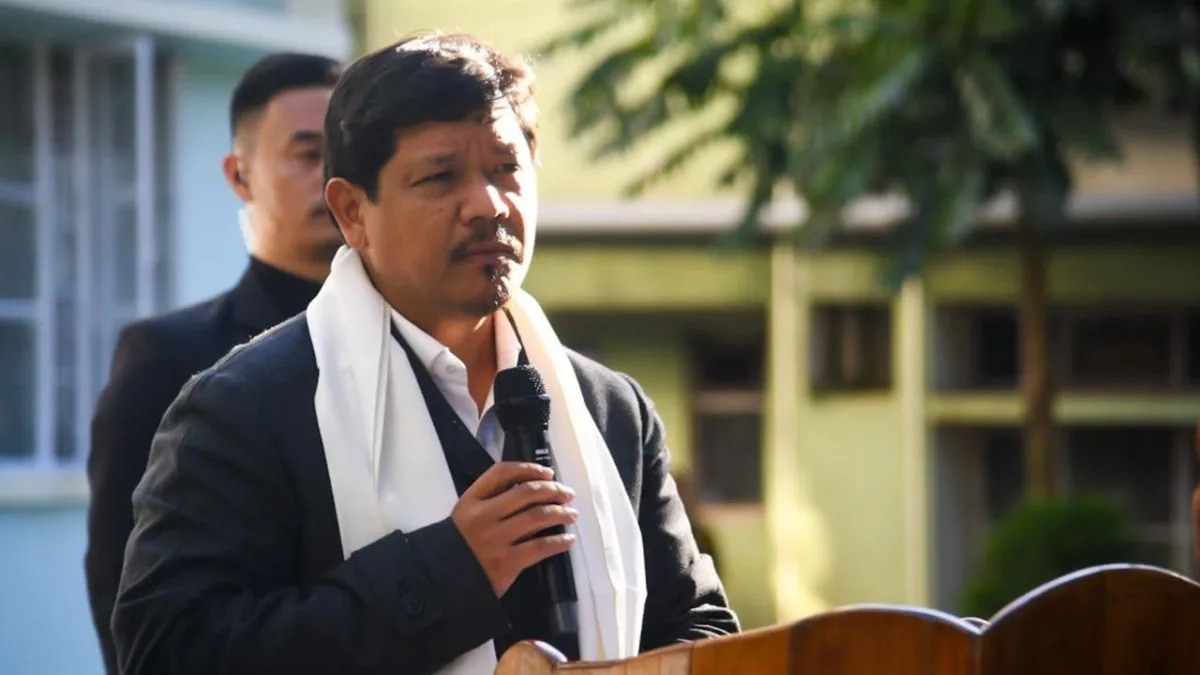
Deputy Chief Minister Prestone Tynsong, who also handles the Home Department, termed the advisory “unfortunate” and said it was based on misleading and outdated information.
Advertisement
“We don’t know where they collect their information from to place Meghalaya in that category,” Tynsong said, adding, “Meghalaya is one of the safest places in the world, and people of the state are known for their hospitality.”
Tynsong urged those doubting the state’s safety to speak to travelers who have visited Meghalaya and experienced the warmth of the local communities.
“Talk to those who have visited Meghalaya and met the hardworking people living in the beautiful villages of the state. These are the real ambassadors,” he said.
Tourism Minister Paul Lyngdoh also criticised the US advisory, saying it could discourage potential visitors despite Meghalaya being a peaceful and vibrant destination.
He noted that the state expects to host around two million tourists this year, aided by a busy calendar of cultural and natural events, including the popular Cherry Blossom festivals.
To further improve the tourist experience, the government has launched a ‘Tourist Buddies’ programme to assist visitors at key locations in the capital, Shillong.
The first batch of 50 Tourist Buddies will be stationed at major sites like Ward’s Lake, Golf Links, and Khyndai Lad. The state is also investing over Rs 1,000 crore in tourism infrastructure, with the sector now providing employment to more than 50,000 people, making it the second-largest employer after the state government.
The US State Department’s Level 2 travel alert had placed Meghalaya and other northeastern states under a cautionary advisory, asking its citizens to “exercise increased caution” and requiring government officials to seek permission before traveling beyond state capitals. The advisory also raised concerns about sporadic ethnic violence in parts of the Northeast.
However, the advisory has drawn sharp responses not only from Meghalaya but also from other northeastern states and civil society groups.
The North East Students’ Organisation (NESO) criticised the advisory as “irrational and baseless,” stating that the Northeast is peaceful and widely known for its hospitality.
The All Assam Students’ Union (AASU) also rejected the US concerns, warning that such narratives fuel negative stereotypes about the region.
Tourism stakeholders from states like Sikkim expressed concern that the advisory could harm the livelihoods of locals who depend on tourism. Several also pointed out that these advisories tend to ignore improvements in law and order across the region in recent years.