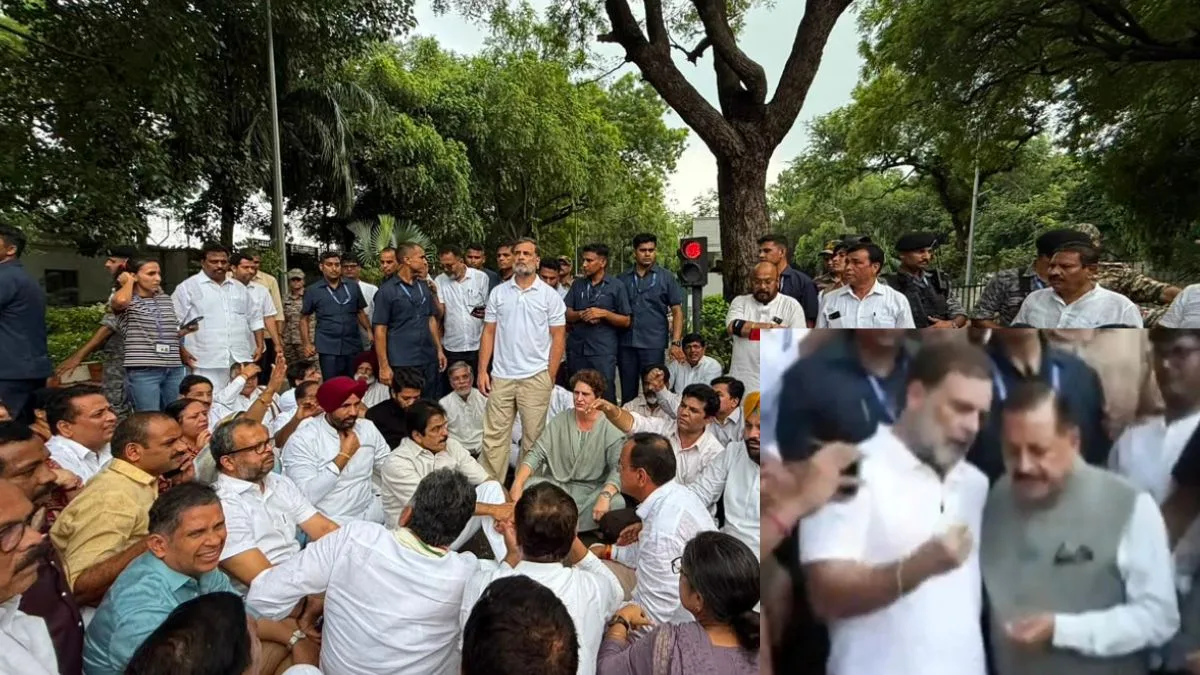
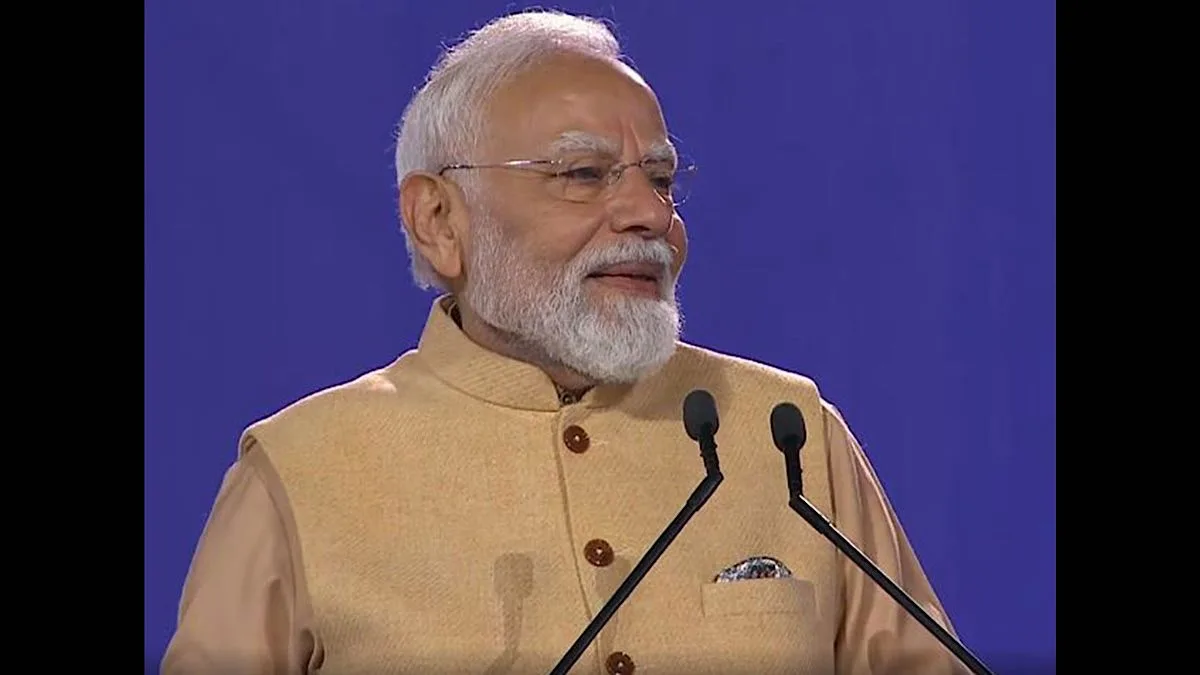
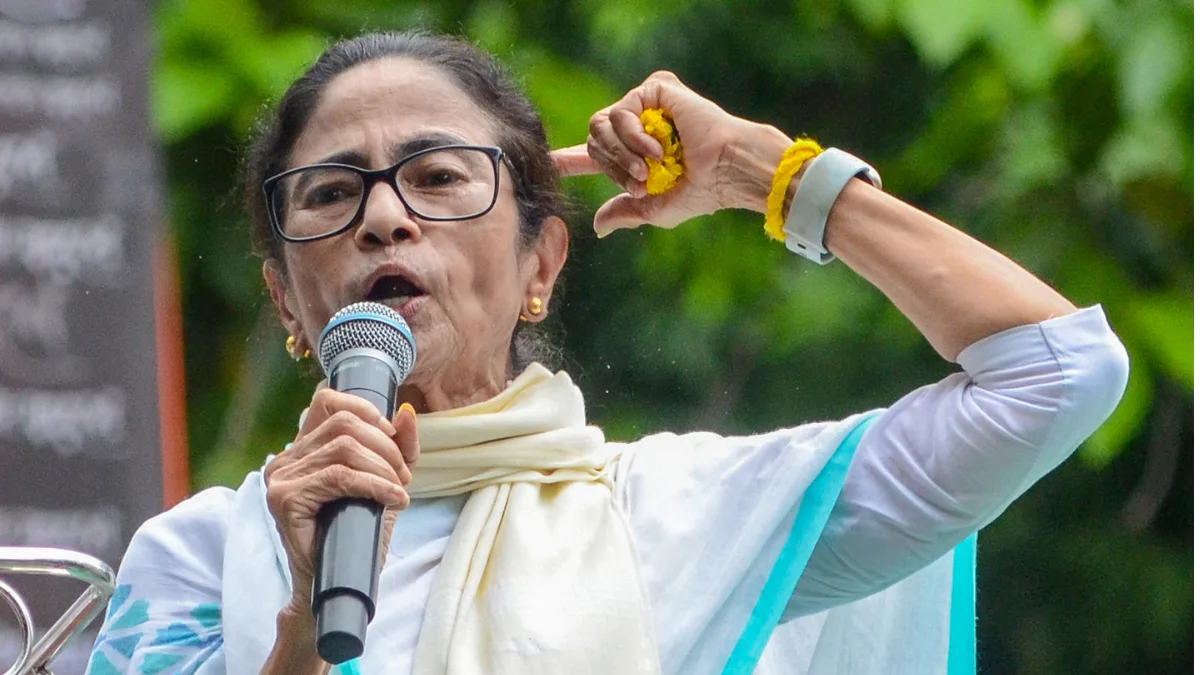
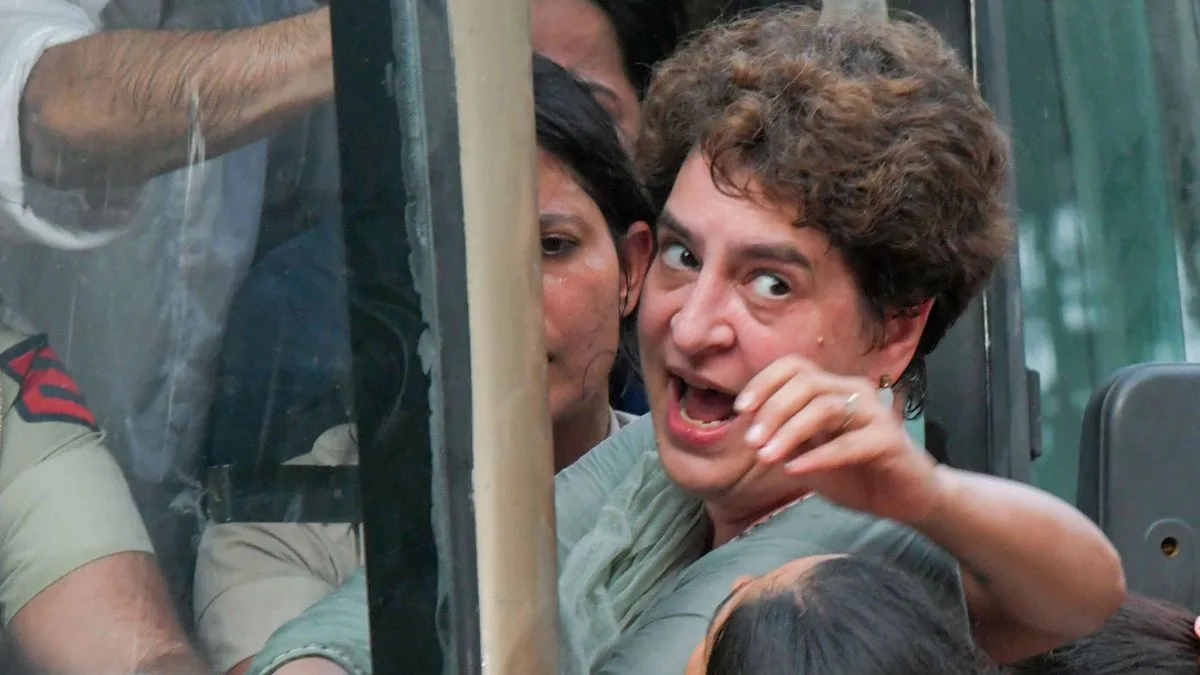
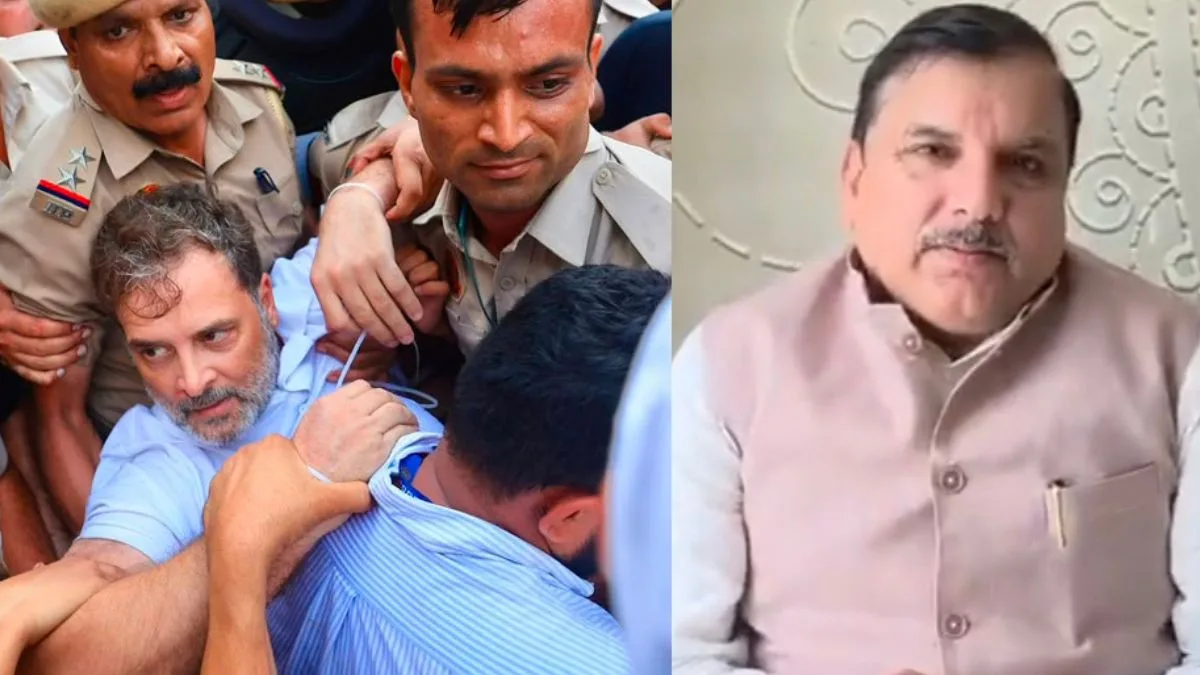
Mamata’s call for anti-BJP unity at Martyr’s Day rally junked by Congress, Left
Bengal BJP president Samik Bhattacharya said Mamata Banerjee should first focus on uniting her own party before attempting to forge an opposition alliance.
According to the sources, India was not satisfied with the language of the joint document, as there was no mention of the Pahalgam terrorist attack, but incidents that happened in Pakistan were included.




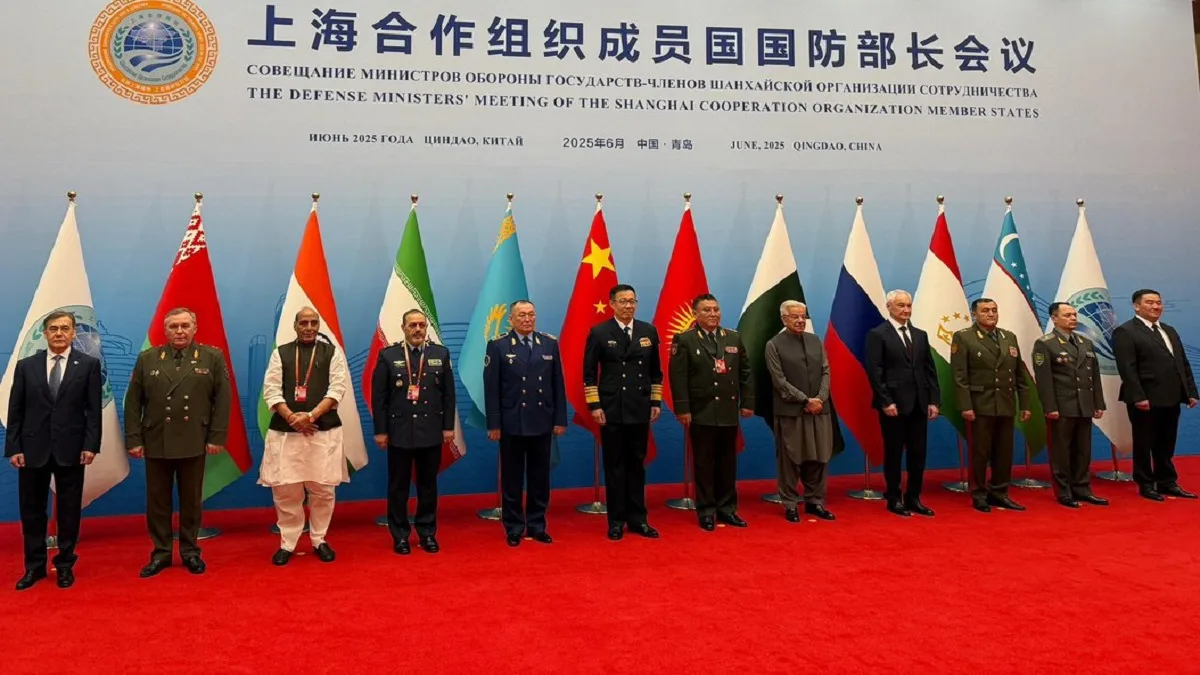
India refused to sign the joint declaration at the SCO (Shanghai Cooperation Organisation) Summit held in Qingdao, China, after its concerns on terrorism were not included in it, sources said. Defence Minister Rajnath Singh is representing India at the summit.
According to the sources, India was not satisfied with the language of the joint document, as there was no mention of the Pahalgam terrorist attack, but incidents that happened in Pakistan were included.
Advertisement
“India is not satisfied with the language of the joint document; there was no mention of the terrorist attack in Pahalgam, there was mention of the incidents that happened in Pakistan, so India refused to sign the joint declaration, and there is no joint communique either,” the sources said.
Advertisement
Earlier, Rajnath Singh had raised the issue of cross-border terrorism during the summit and vociferously stated India’s zero tolerance policy against terrorism.
“India’s zero tolerance for terrorism is manifest today through its actions. This includes our right to defend ourselves against terrorism. We have shown that epicentres of terrorism are no longer safe and we will not hesitate to target them,” he said with his Pakistani counterpart Khawaja Asif also in attendance.
Without naming Pakistan, the defence minister said that countries that support cross-border terrorism and utilise terrorism must bear the consequences.
“It is imperative that those who sponsor, nurture and utilise terrorism for their narrow and selfish ends must bear the consequences. Some countries use cross-border terrorism as an instrument of policy and provide shelter to terrorists. There should be no place for such double standards. SCO should not hesitate to criticise such nations,” he said.
Singh stated that peace and prosperity can’t co-exist with terrorism and highlighted the need for the SCO members to unite in the fight against the menace.
“Peace and prosperity cannot co-exist with terrorism and proliferation of Weapons of Mass Destruction (WMDs) in the hands of non-state actors and terror groups. Dealing with these challenges requires decisive action, and we must unite in our fight against these evils for our collective safety and security,” he added.
Advertisement