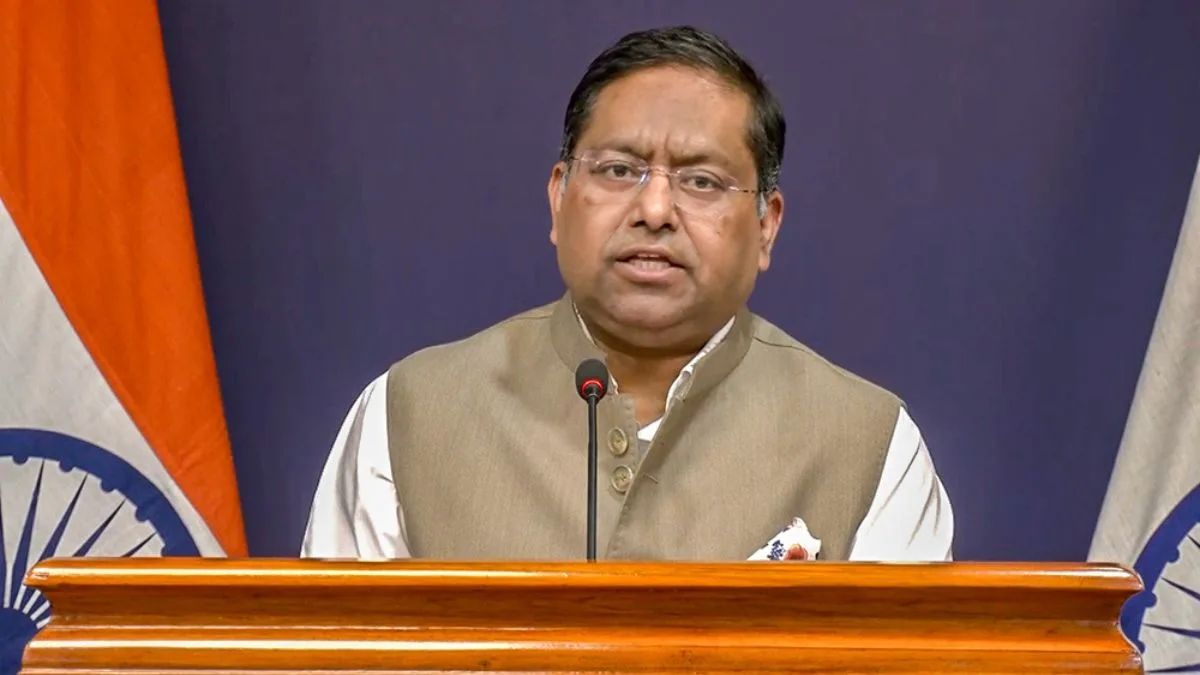
MoS Bhagirath Choudhary returns Rs 99 lakh subsidy he availed from his own ministry, Centre tells Lok Sabha
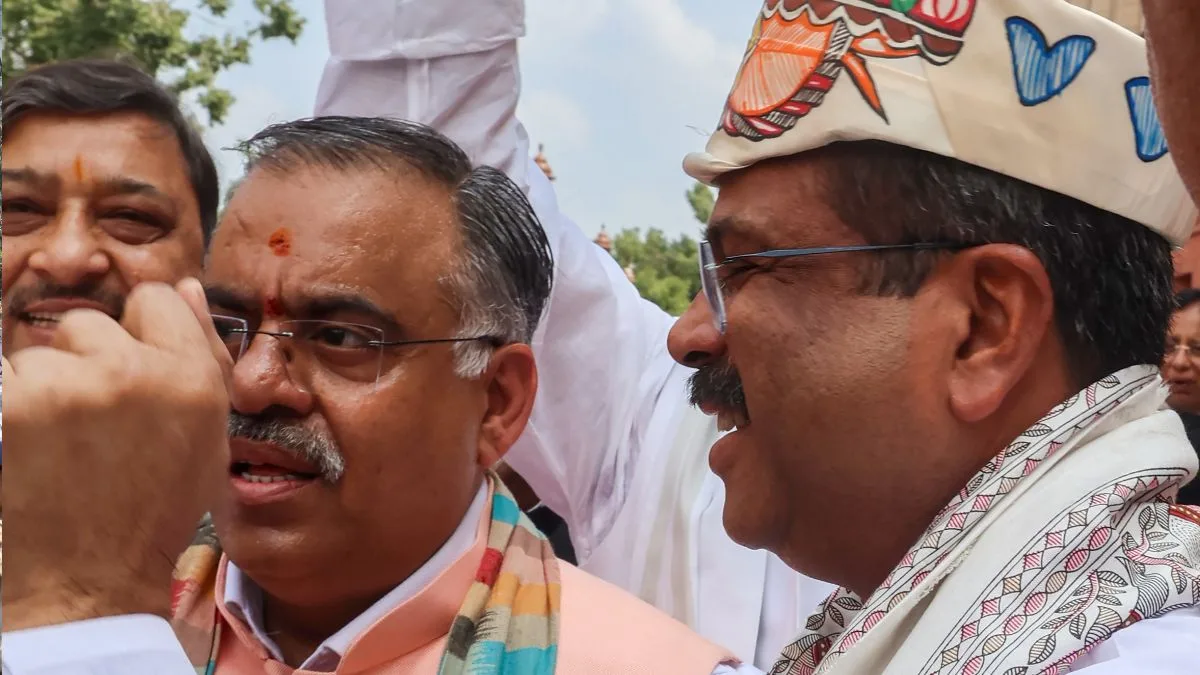
Choudhary had availed Rs 99 lakh subsidy from his own ministry for his cucumber farm, triggering a massive controversy.
The Lok Sabha on Tuesday witnessed an intense and politically-charged debate on the Public Examinations (Prevention of Unfair Means) Amendment Bill, 2026.





Photo: ANI
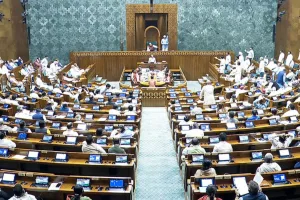
The Lok Sabha on Tuesday witnessed an intense and politically-charged debate on the Public Examinations (Prevention of Unfair Means) Amendment Bill, 2026. The Treasury benches pitched the proposed law as a decisive step to restore the credibility of India’s examination system, while the Opposition argued that stricter penal provisions alone would not address the systemic failures that led to the nationwide outrage over the NEET-UG 2026 paper leak.
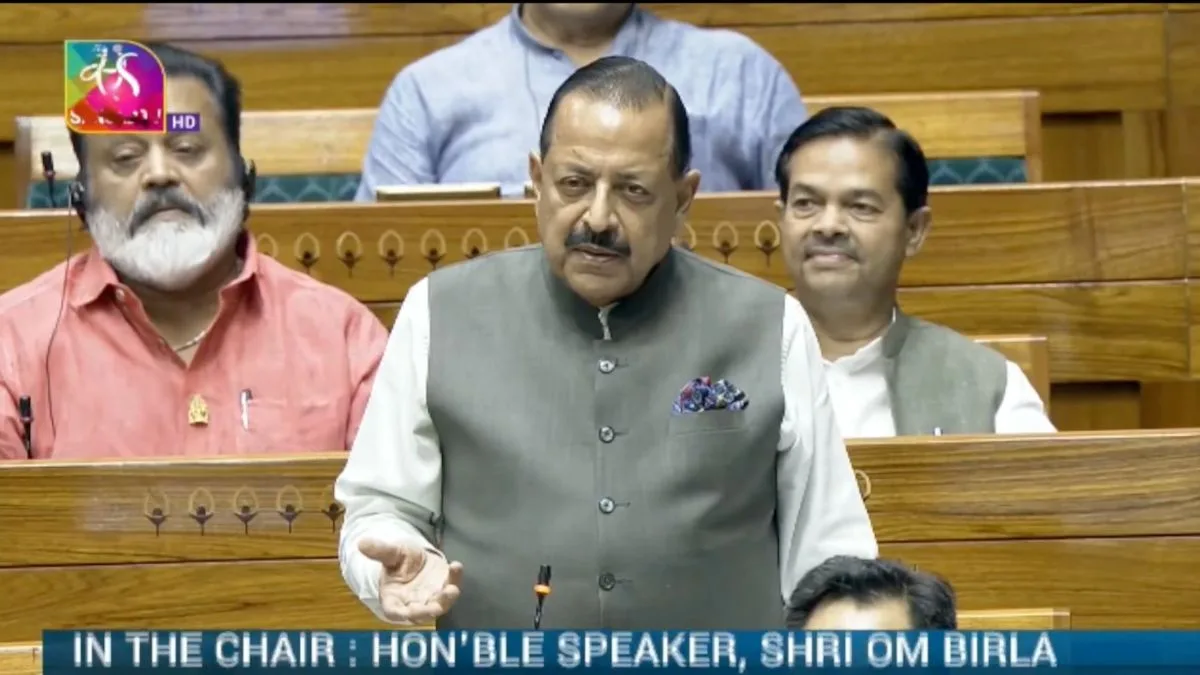
The debate, initially allocated six hours, was later extended after consultations between the government and the Opposition. It saw Union Minister of State for Personnel, Public Grievances and Pensions Jitendra Singh move the Bill for consideration and passing and defend the legislation, while Parliamentary Affairs Minister Kiren Rijiju assured the House that the government was prepared for an exhaustive discussion and accepted the Opposition’s demand to extend the debate up to ten hours if required.
Advertisement
Opening the government’s case, Jitendra Singh described the legislation as a comprehensive reform aimed at safeguarding the integrity of public examinations and ensuring that deserving candidates are not deprived of opportunities because of organised cheating rackets. He said the Bill proposes stringent punishments, including imprisonment of up to 10 years and fines of up to Rs 50 lakh on individuals involved in organised examination fraud, enhanced penalties for institutions facilitating unfair means, time-bound investigations and special fast-track courts for speedy disposal of cases.
Advertisement
Arguing that the legislation targets organised criminal networks rather than students, Singh said the government was committed to restoring public confidence in the examination system following the NEET controversy and other recent incidents. He maintained that the amendments would create a stronger legal deterrent against paper leaks and examination malpractice.
Parliamentary Affairs Minister Kiren Rijiju, intervening during the proceedings, said the government had nothing to hide and was willing to accommodate the Opposition’s request for a longer debate. Stressing that the issue affected millions of students and families across the country, Rijiju said every member should have the opportunity to express their views before the House arrived at a decision.
BJP MP Bansuri Swaraj defended the government’s legislative response while attacking previous Congress-led governments over alleged failures in preventing examination leaks. She argued that paper leak incidents were not unique to the present government and accused the Opposition of politicising an issue on which Parliament should collectively seek solutions.
From the Opposition benches, Congress general secretary (Organisation) and MP K C Venugopal questioned whether tougher punishments could substitute for political accountability. Referring to the nationwide protests following the NEET-UG paper leak, he argued that the crisis reflected administrative failure rather than merely legal inadequacy. He also questioned the absence of the Prime Minister and senior members of the government during portions of the debate, saying the country expected accountability from the highest levels.
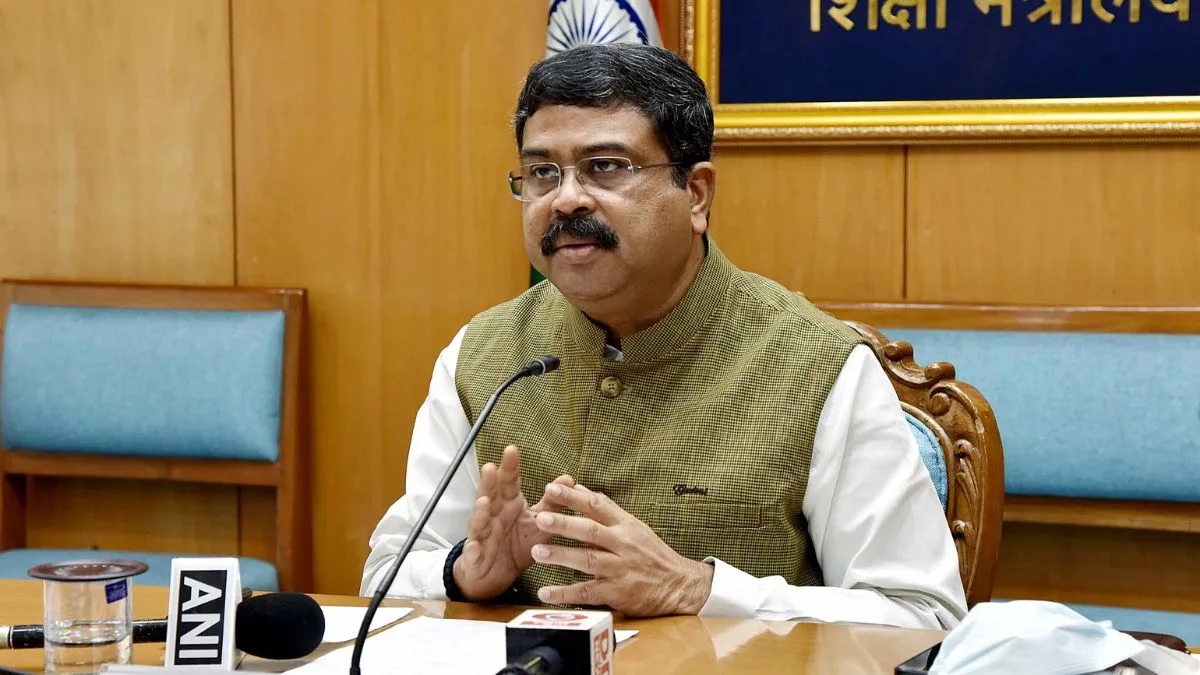
Deputy Leader of the Congress in the Lok Sabha Gaurav Gogoi accused the government of responding only after sustained public pressure and student protests. He questioned the role of the Union Home Ministry in handling demonstrations by students demanding action over the examination scandal and criticised what he described as the government’s delayed response to the crisis. Gogoi also took a swipe at the recent cabinet reshuffle following the resignation of former Education Minister Dharmendra Pradhan, suggesting that the change itself amounted to an admission of failure in handling the issue.
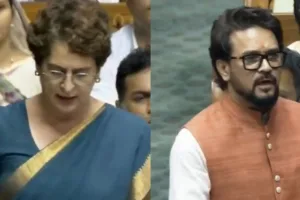
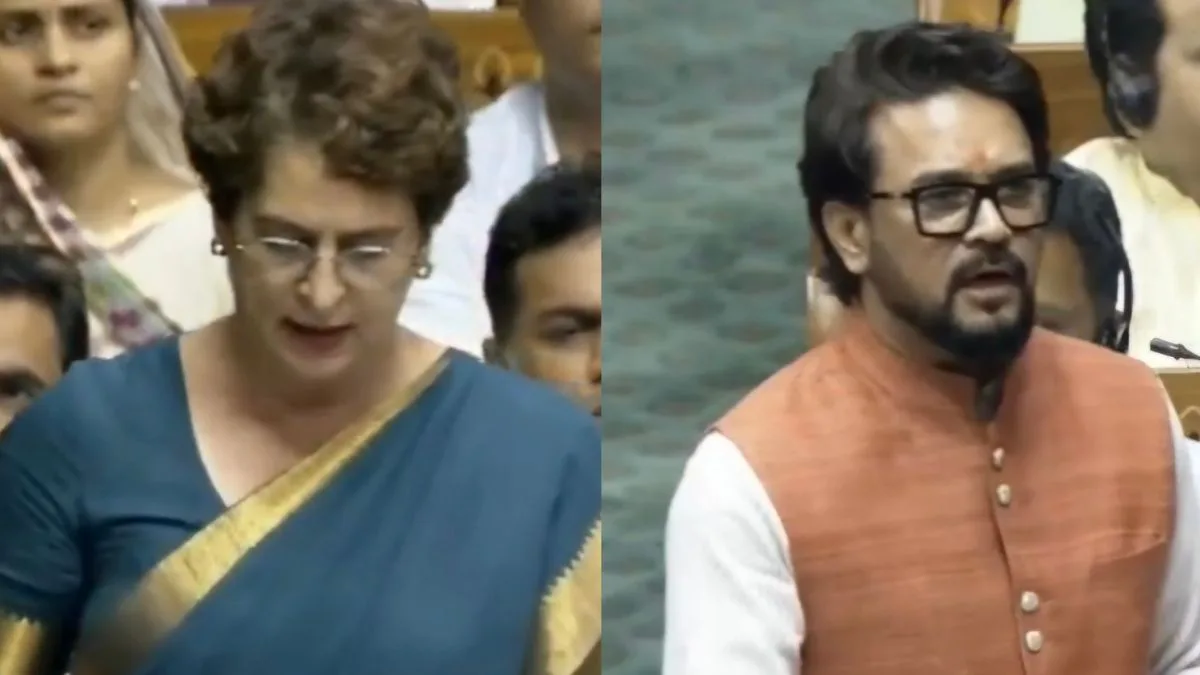
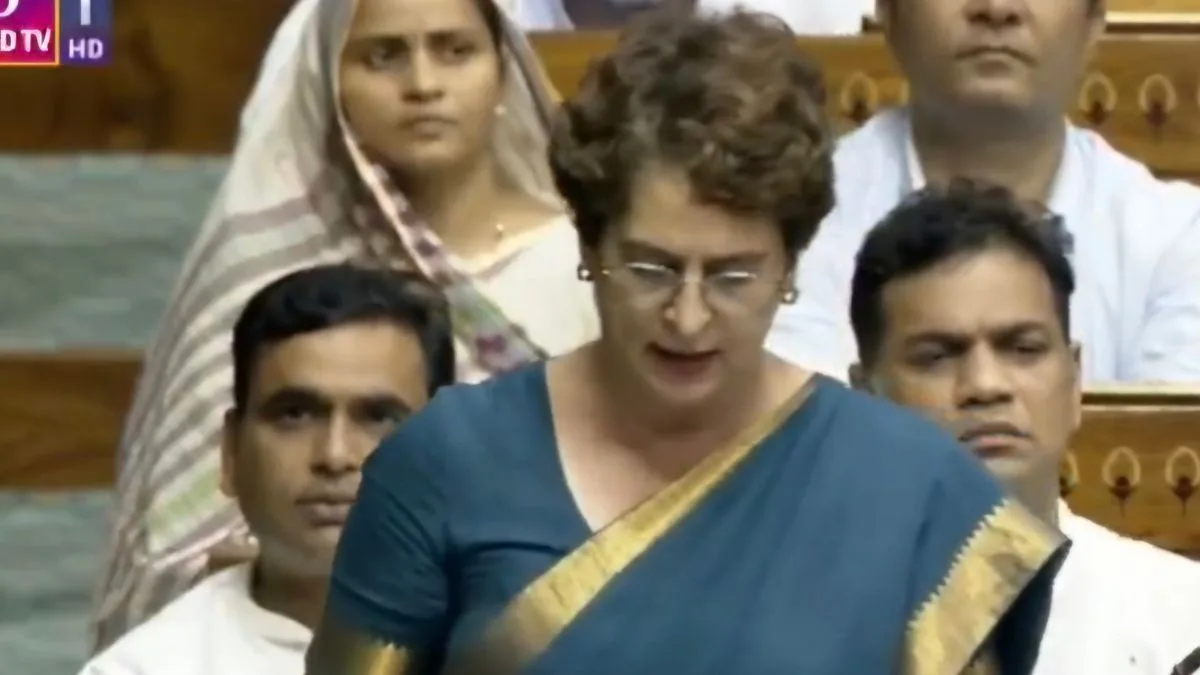
Congress MP Priyanka Gandhi Vadra focused her intervention on the treatment of protesting students, questioning the government’s decision to use police action against young aspirants demanding a fair examination process. She asked what action had been taken against those responsible for the paper leak instead of students who had taken to the streets seeking justice.
The debate unfolded against the backdrop of weeks of political confrontation over the NEET-UG 2026 paper leak, which led to nationwide student protests, repeated disruptions in Parliament and sustained Opposition demands for accountability. The controversy eventually culminated in the resignation of former Union Education Minister Dharmendra Pradhan, after which Cabinet Minister Pralhad Joshi was assigned additional charge of the Education Ministry. The government subsequently constituted a high-powered task force under Nandan Nilekani to recommend structural reforms in the examination system and approved amendments to strengthen the Public Examinations (Prevention of Unfair Means) Act, 2024.
Earlier in the day, Lok Sabha Speaker Om Birla appealed to members to hold a constructive and comprehensive discussion, describing the credibility and transparency of India’s examination system as matters of vital national importance. With members from both sides participating in the debate, the proceedings reflected the broad political consensus on the need to curb examination fraud, even as sharp differences remained over the government’s handling of the crisis and the adequacy of the proposed legislative response.
Advertisement