Sonam Wangchuk to be discharged from Gurugram hospital on July 27
Sonam Wangchuk broke his 26-day fast late Friday night and is currently recovering at the hospital in Gurugram. He is expected to be discharged by around 11.30 a.m. on Monday.
The Lok Sabha is set for a politically charged debate on Monday as the Centre introduces and seeks passage of the Public Examinations (Prevention of Unfair Means) Amendment Bill, 2026, its flagship legislative response to the examination crisis that has convulsed the country and culminated in the resignation of Union Education Minister Dharmendra Pradhan on Saturday.





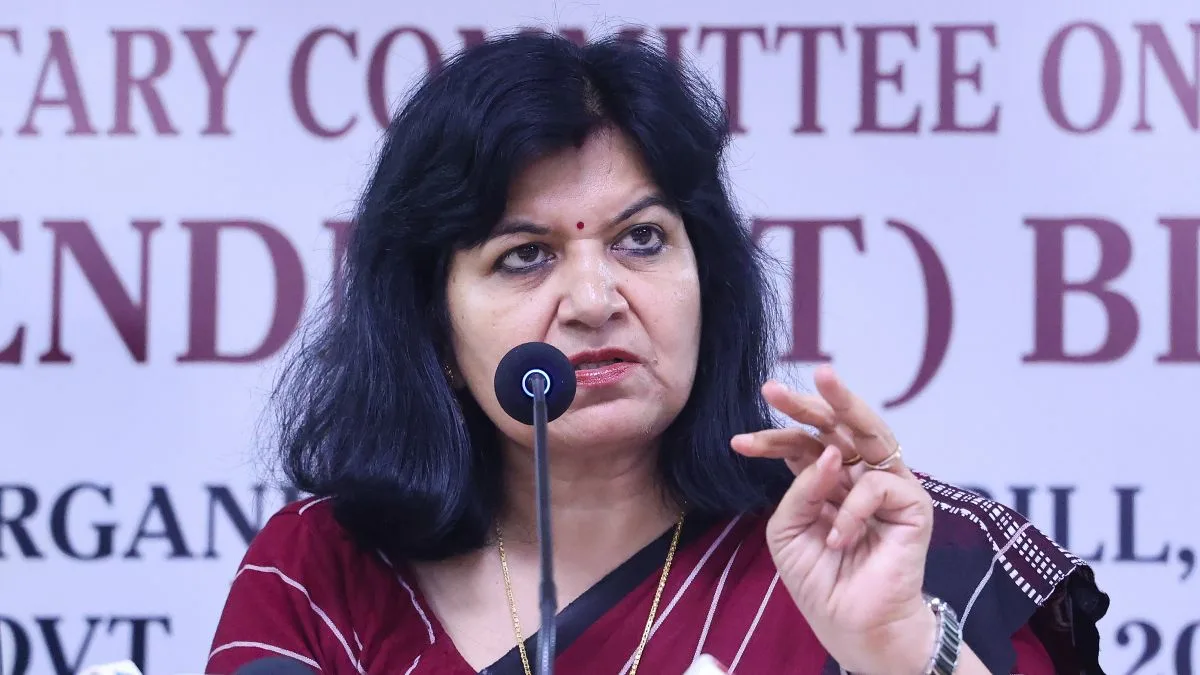
Photo: IANS
The Lok Sabha is set for a politically charged debate on Monday as the Centre introduces and seeks passage of the Public Examinations (Prevention of Unfair Means) Amendment Bill, 2026, its flagship legislative response to the examination crisis that has convulsed the country and culminated in the resignation of Union Education Minister Dharmendra Pradhan on Saturday.
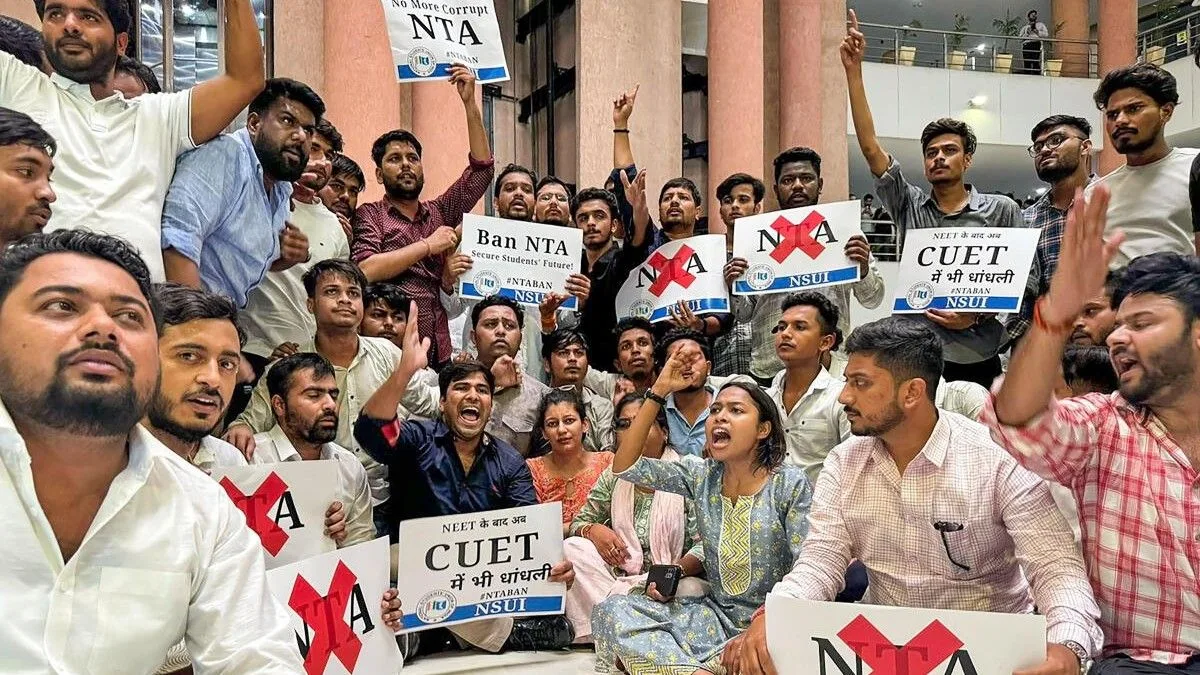
The proposed law, aimed at significantly tightening India’s legal framework against examination paper leaks and organised examination fraud, comes amid continuing outrage over the alleged NEET-UG 2026 paper leak and other examination-related controversies that sparked an unprecedented nationwide student movement, weeks of Opposition protests and repeated disruptions in Parliament.
Advertisement
The Bill will be taken up barely two days after the Union Cabinet approved a package of stringent anti-paper leak measures and less than 48 hours after Pradhan stepped down following sustained political pressure and nationwide student protests demanding accountability.
Advertisement
His resignation, accepted by President Droupadi Murmu on the advice of Prime Minister Narendra Modi, was welcomed by Opposition parties and student organisations as a “victory of the youth”, while the government projected it as part of a broader effort to restore public confidence in the examination system and shift the focus towards structural reforms.
According to the Lok Sabha List of Business, Minister of State (Independent Charge) for Science and Technology Jitendra Singh will move for leave to introduce the Bill and seek its consideration and passage.
The legislation proposes amendments to the Public Examinations (Prevention of Unfair Means) Act, 2024, enacted to curb unfair means in public examinations conducted by the Union government and its agencies.
The amendment Bill follows the Union Cabinet’s approval on Friday of a package of tougher anti-paper leak measures intended to significantly strengthen the existing law. The Centre has projected the legislation as its strongest response yet to recurring examination fraud, arguing that harsher punishments, speedier trials and stricter enforcement are necessary to dismantle organised paper leak syndicates and restore faith in India’s public examination system.
According to reports, the Bill proposes raising the maximum punishment for paper leak offences to 10 years’ imprisonment along with a fine of up to Rs 10 crore. It also seeks to increase the minimum imprisonment for convicted offenders from the existing three years to five years. In addition, the proposed amendments envisage fast-track courts for the expeditious trial of paper leak cases, quicker investigations and stronger legal mechanisms to ensure timely convictions.
The Cabinet’s approval came shortly after Prime Minister Narendra Modi announced that the government would further strengthen the legal framework against examination fraud during the ongoing Monsoon Session of Parliament.
In a post on X on Thursday, the Prime Minister said: “More strict actions against paper leaks to come in tomorrow’s Cabinet!”
In another message, Modi described paper leaks as a matter of grave concern and reiterated that safeguarding students remained the government’s highest priority.
“Nothing is more important than the welfare and future of our youth! We have decided to set up fast-track courts to ensure swift and stringent punishment for those involved in paper leaks. Have directed the concerned authorities and officials to take all necessary steps in this regard. This continues our series of steps for safeguarding the interests of students.”
He also warned those involved in examination fraud, saying: “Those who try to harm the future of our youth will not be spared.”
The proposed amendments come against the backdrop of one of the gravest crises faced by India’s public examination system in recent years. The alleged NEET-UG 2026 paper leak, which affected more than 22 lakh aspirants and ultimately led to the cancellation of the examination, triggered nationwide protests by students demanding accountability and comprehensive reforms. The controversy was compounded by allegations of irregularities in the CBSE’s On Screen Marking (OSM) system, fuelling widespread criticism of the administration of public examinations.
The issue dominated the first week of the Monsoon Session, with Opposition parties led by the Congress repeatedly stalling proceedings in both Houses while demanding the resignation of Pradhan and a discussion on the examination crisis. The protests inside Parliament mirrored a wider agitation outside, where students and youth organisations held demonstrations in several parts of the country, culminating in sustained protests at Delhi’s Jantar Mantar.
Following Pradhan’s resignation, the Opposition described the development as only the “first step”, asserting that the government must now fix institutional accountability, overhaul examination agencies and ensure justice for affected students.
For the government, Monday’s debate offers an opportunity to regain the political initiative after a week dominated by the examination controversy and the Education Minister’s exit. It is expected to argue that the resignation, coupled with the proposed legislative overhaul, demonstrates its commitment to protecting students’ interests and eliminating organised paper leak networks through stronger laws and faster prosecution. Opposition parties, however, are likely to maintain that legislative amendments cannot by themselves address systemic failures in examination governance and are expected to press for broader administrative and institutional reforms.
The Public Examinations (Prevention of Unfair Means) Act, 2024, enacted after earlier incidents of examination fraud, criminalised paper leaks, impersonation, unauthorised access to confidential examination material and organised cheating in public examinations conducted by the Union government and its agencies. It prescribed imprisonment ranging from three to five years and fines extending to ₹10 lakh for individuals, while organised crime syndicates and service providers facilitating examination fraud faced even stricter penalties.
The 2026 amendment seeks to substantially strengthen these provisions in light of the scale and sophistication of recent paper leak rackets. Besides prescribing tougher punishments, it aims to create a stronger deterrent through faster prosecution, improved coordination among investigative agencies and dedicated fast-track courts to ensure that cases do not remain pending for years.
With political tempers still running high despite the resignation of the Education Minister, Monday’s debate is expected to be one of the most closely watched discussions of the Monsoon Session. While the government will seek to present the Bill as a decisive corrective measure to restore the credibility of India’s examination system, the Opposition is expected to use the debate to underscore what it calls the deeper governance failures that precipitated the crisis. The proceedings will be closely followed by millions of students, parents and educators as Parliament considers what could become India’s toughest anti-paper leak legislation to date.
Advertisement