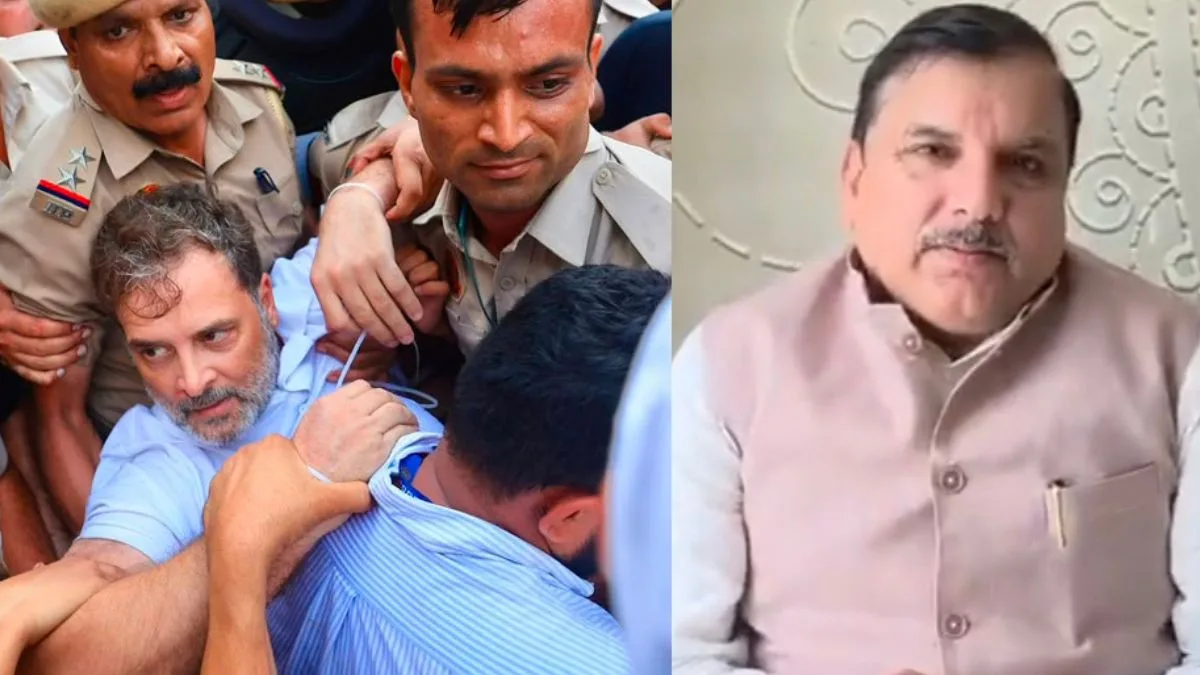
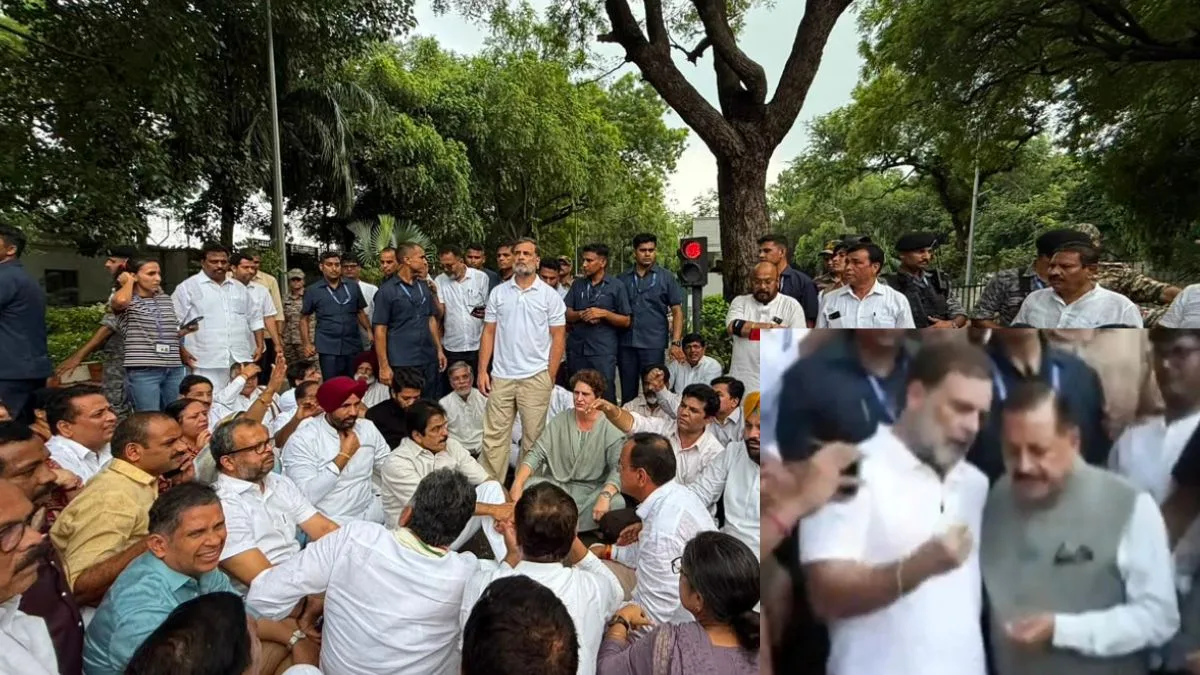
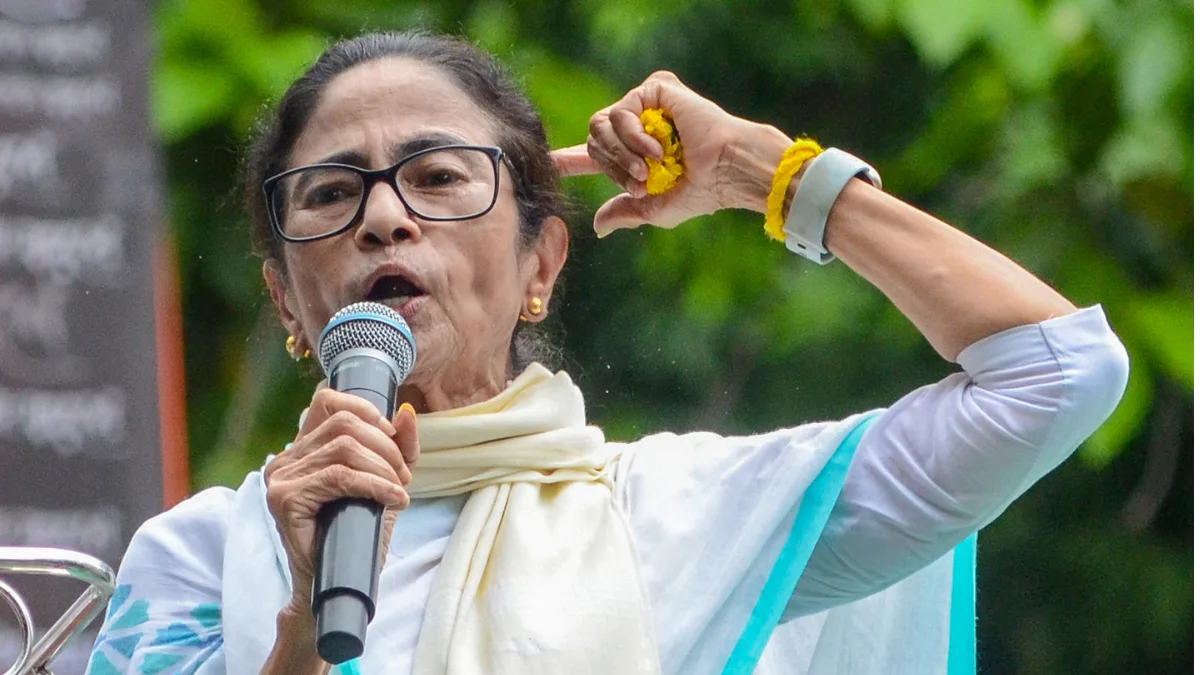
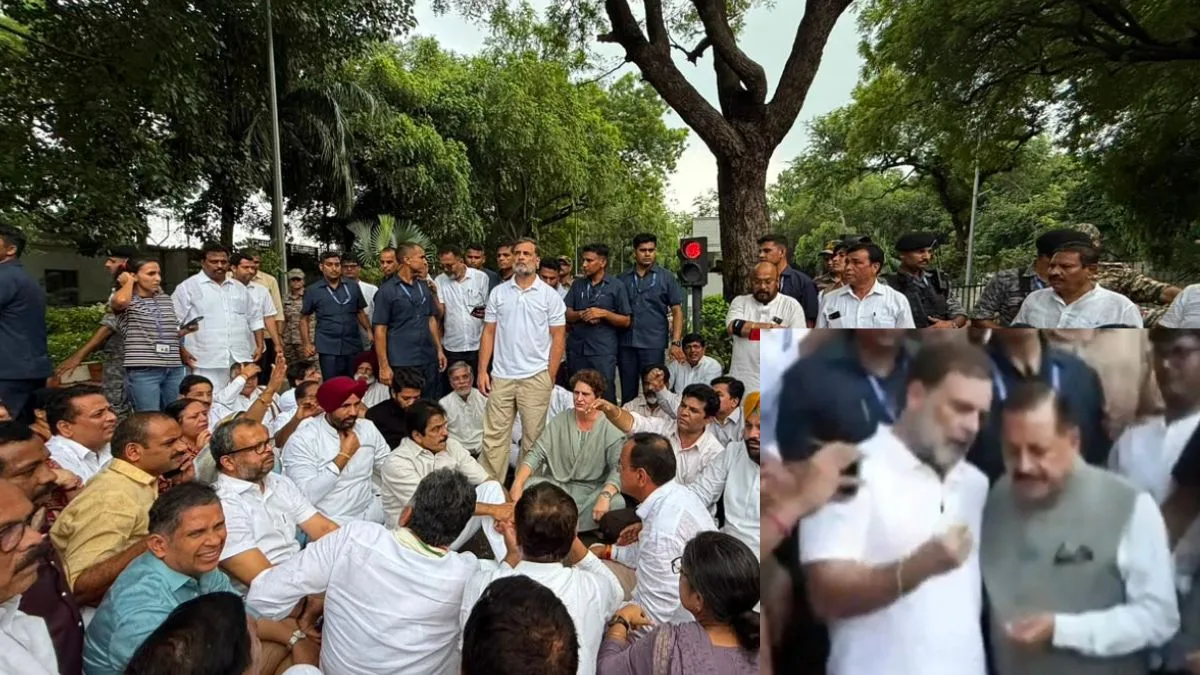
Mamata pays tribute to July 21 martyrs amid observances by multiple factions
Mamata Banerjee's message came as the TMC observed one of its most politically significant dates under dramatically altered circumstances.
Trinamool Congress (TMC) leader Derek O’Brien on Wednesday mounted a sharp attack on the Centre, accusing it of attempting to “mock the Constitution, Parliament, and the women of this country” by using women’s reservation as a pretext to advance what he described as a “devious” delimitation agenda.




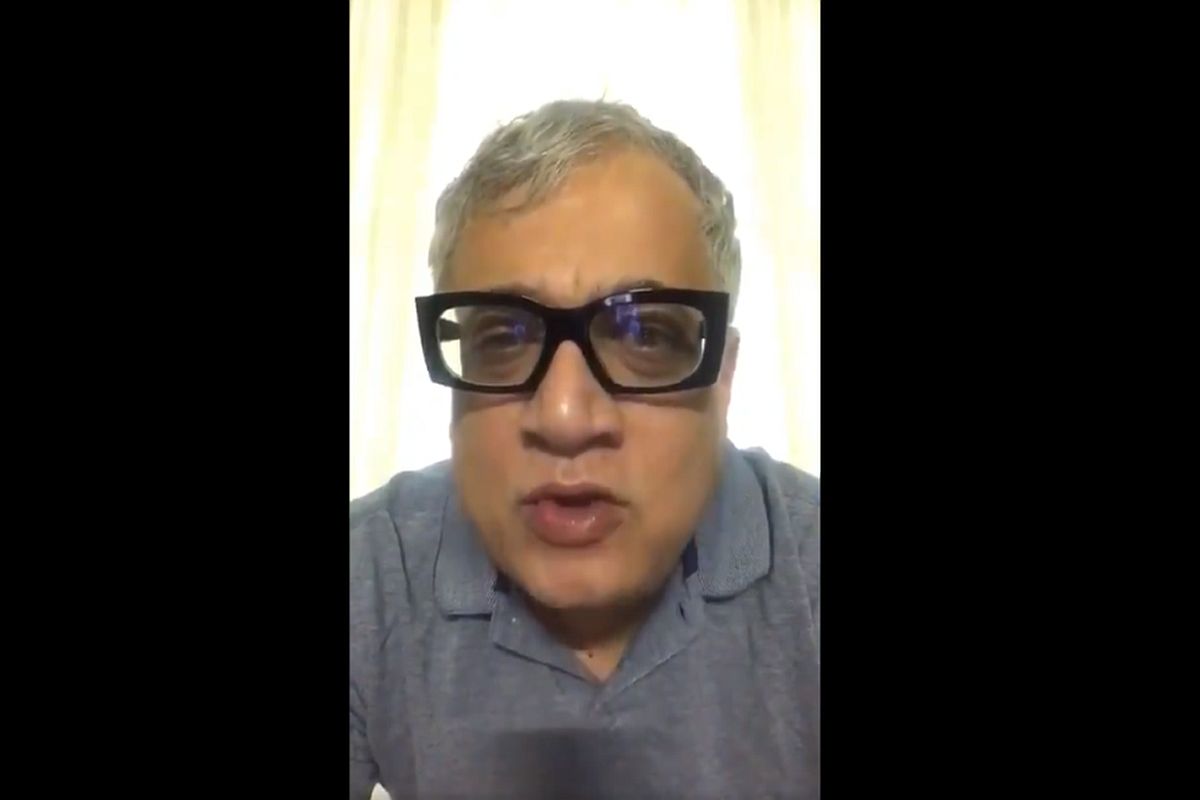
Trinamool Congress MP Derek O’Brien. (Screengrab: Twitter/@derekobrienmp)
Trinamool Congress (TMC) leader Derek O’Brien on Wednesday mounted a sharp attack on the Centre, accusing it of attempting to “mock the Constitution, Parliament, and the women of this country” by using women’s reservation as a pretext to advance what he described as a “devious” delimitation agenda.
In a strongly-worded post on X, O’Brien questioned the government’s commitment to women’s empowerment, alleging that the move was politically motivated. “This Govt plots a cheap stunt to MOCK the Constitution, mock Parliament and mock the women of this great nation. They have never cared a fig about women. DELIMITATION IS THE DEVIOUS AGENDA. Women, their excuse,” he said.
Advertisement
The TMC leader also cited a past intervention by West Bengal Chief Minister Mamata Banerjee, calling on Prime Minister Narendra Modi and Union Home Minister Amit Shah to take note of her long-standing stance on the issue. Referring to Banerjee’s remarks in the Lok Sabha in 1998, O’Brien highlighted her demand for a clear timeline for the introduction of the Women’s Reservation Bill.
Advertisement
Quoting her statement from 28 years ago, he said, “Where is the prestige of women in this country that we can’t introduce the Women’s Reservation Bill? Chair should tell us specific date, information, timeframe when this Bill is going to come.”
The remarks came amid intensifying political debate over the implementation of women’s reservation in legislatures, particularly in relation to the proposed delimitation exercise, which is expected to redraw parliamentary constituencies based on updated population data. Opposition parties, including the Trinamool Congress, have raised concerns that the sequencing of delimitation and reservation could carry significant political implications, especially for states with varying population growth rates.
While the Centre has described women’s reservation as a landmark reform to improve political representation, critics argue that linking its rollout to delimitation and census processes could delay implementation and reflect broader electoral considerations.
Advertisement