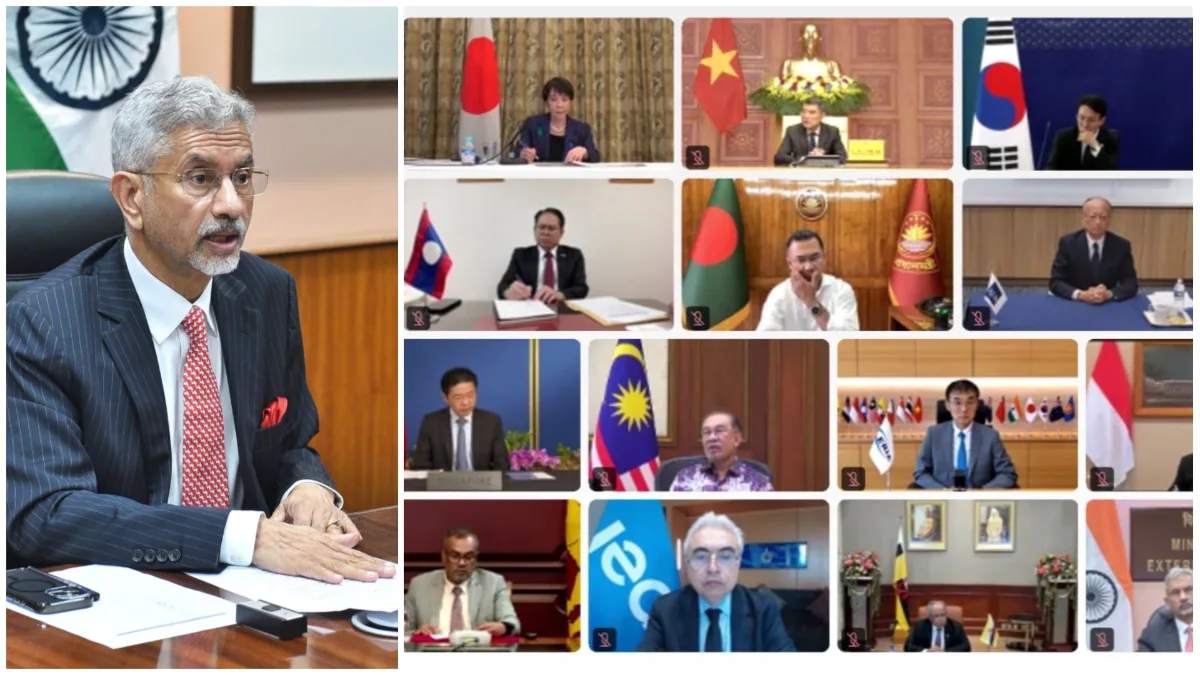
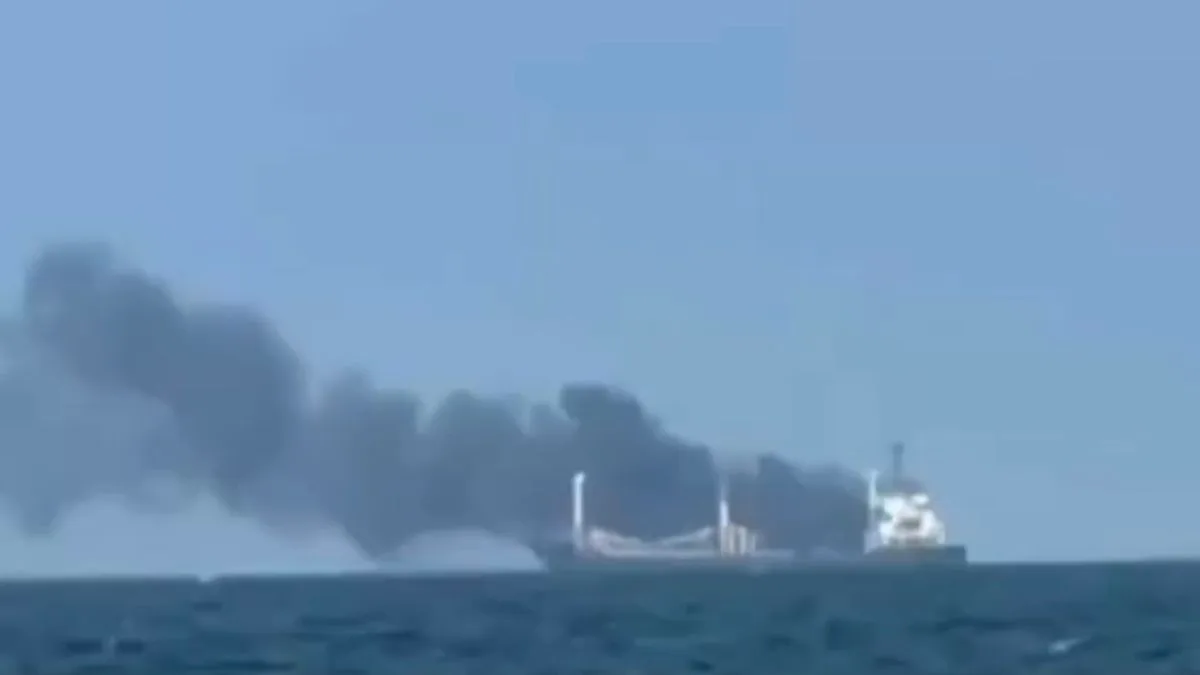
External Affairs Minister S. Jaishankar on Wednesday issued a firm warning against attacks on merchant vessels, calling them “completely unacceptable” and stressing that secure maritime routes are critical for global growth. Speaking at the AZEC-Plus meeting hosted by Japan, he underscored India’s commitment to ensuring the free and uninterrupted movement of shipping, particularly as energy supply chains face increasing strain.
Addressing the virtual gathering focused on energy market disruptions, Jaishankar reiterated that safe passage through international waters remains a priority for India. He said New Delhi will continue to collaborate with like-minded nations to strengthen supply chains and prevent disruptions that could impact global energy availability.
Advertisement
In a post after the meeting, he highlighted India’s position that any threat to merchant shipping undermines not just trade but broader economic stability.
Jaishankar cautioned that global economic growth depends on stable and accessible energy markets. As one of the world’s major energy consumers, he said India is actively working with international partners to build resilience against shocks, including those caused by geopolitical tensions and supply disruptions.
Leaders flag regional vulnerabilities
The summit saw participation from several leaders across Asia. Malaysian Prime Minister Anwar Ibrahim stressed the need for deeper regional cooperation to ensure a steady and reliable energy supply, noting Malaysia’s role as a key producer of liquefied natural gas.
“Malaysia remains committed to strengthening regional cooperation through AZEC to ensure stable, sufficient and resilient energy supply. As an energy producer, including Liquefied Natural Gas (LNG), Malaysia will continue to play a constructive role in supporting regional energy security, while diversifying energy sources including renewable energy and strengthening our energy system in line with national development priorities,” said Ibrahim.
Meanwhile, the Philippines President Ferdinand R. Marcos Jr pointed to the vulnerability of import-dependent nations to global supply shocks. He cited recent disruptions, including the temporary closure of the Strait of Hormuz, which led to spikes in fuel prices and highlighted the risks faced by archipelagic countries like the Philippines.
Broad participation at AZEC-Plus summit
The Asia Zero Emission Community (AZEC) Plus Online Summit on Energy Resilience brought together leaders and ministers from countries including Malaysia, the Philippines, Vietnam, Timor-Leste, Singapore, Bangladesh and Thailand. Representatives from Australia, South Korea, Brunei and Sri Lanka also joined, along with global institutions such as the International Energy Agency and the Asian Development Bank.
The discussions centred on strengthening cooperation to tackle supply chain disruptions and ensuring long-term energy security in an increasingly uncertain global environment.