Moving door-to-door across hospitals from Bihar and Kolkata, Saif Alam, a 29-year-old man from Jharkhand, had lost hope of his survival just a few months after he first suffered a simple pain in his back and stomach. Clueless about his condition, which deteriorated in a matter of days, his pain turned into breathing difficulty, leaving Alam and his family with sleepless nights for weeks and months.
Doctors at the private hospitals across Ranchi and Kolkata began treatments for chest congestion, prescribed CT Scans, and surgery to empty the fluid accumulated in his thoracic region, but neither went ahead with the operative procedure, considering the precarious condition of Alam.
Advertisement
Distraught after being refused treatment at multiple hospitals, the family took an air ambulance from Kolkata to Delhi in the dead of night in December, with plans to head straight to Fortis Hospital Gurugram.
However, the real turning point came when his brother, Zeeshan Alam, spoke to Dr Udgeath Dhir, principal director of Cardiothoracic Vascular Surgery at Fortis Memorial Research Institute, Gurugram.
Last month, Dr Dhir and his team performed a hybrid cardiac surgery, first of its kind in South Asia, giving a fresh lease of life to the 29-year-old Alam, who stood beaming with joy as he addressed the media on Tuesday, sharing his story in New Delhi.
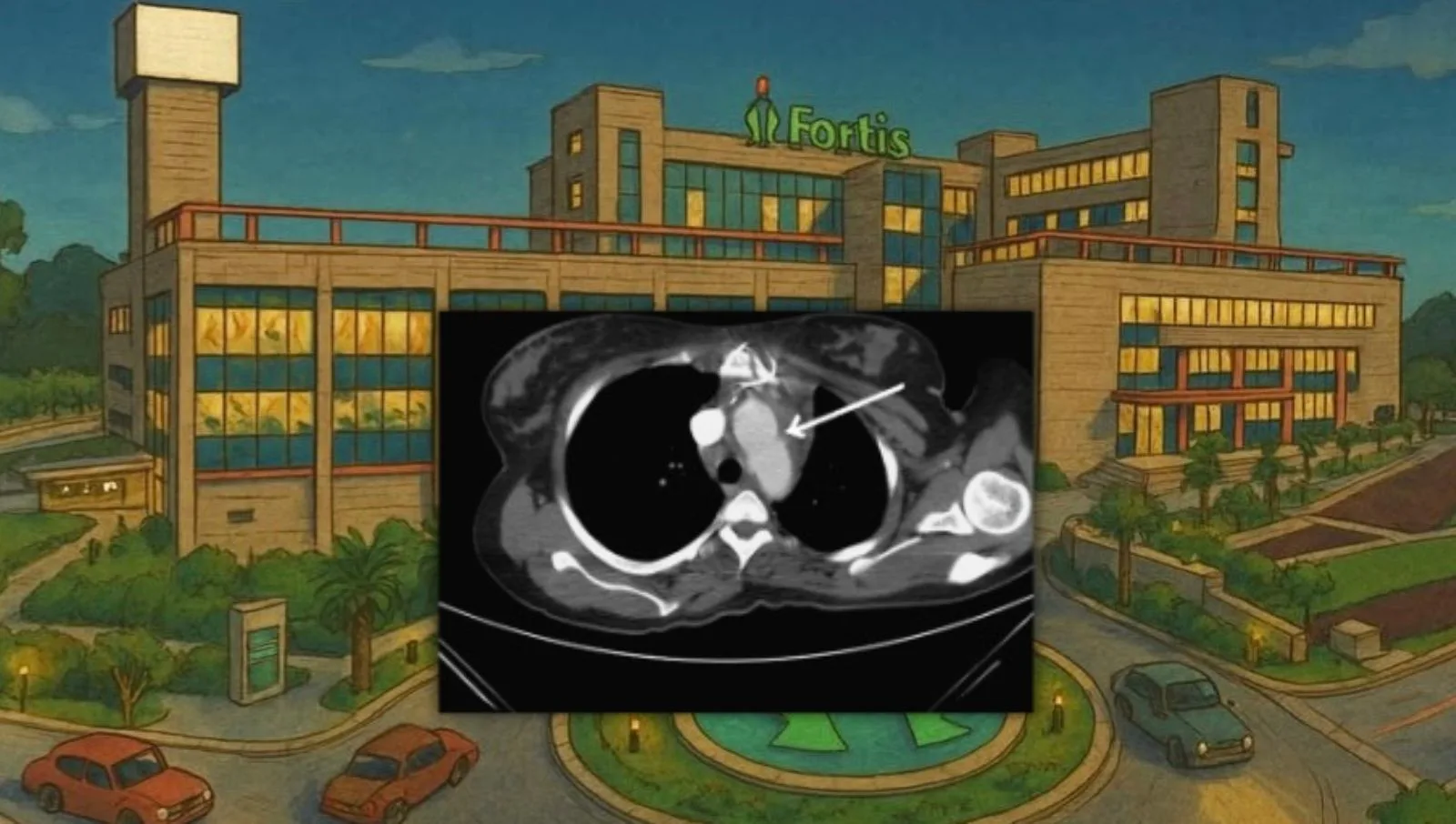
Alam was diagnosed as a likely case of spontaneous Aortoarteritis, a rare condition, triggered in some cases by infectious diseases like tuberculosis, that damages the large arteries, causing narrowing, blockages, or aneurysms (a balloon-like bulge), with the potential to cause heart failure or stroke.
With a mere 15 per cent of Alam’s heart functioning at such a young age, Dr Dhir and his team performed a rare and complex life-saving cardiac surgery, which the doctors claimed has added 25 years to the young lad’s life, provided he maintains the lifestyle recommended by doctors.
Drawing attention to the complexity of Alam’s case, Dr Dhir said, “When he was brought to us, the functionality of all his vital organs, including heart, kidney, liver, and intestine, was severely compromised. A ruptured major artery supplying oxygen-laden blood from the heart to all these major organs of the body generated multiple clots, clogging his blood vessels.”
The surgery was highly challenging, involving the risk of heart, liver, and kidney failures and potential damage to the spinal cord, which may lead to full-body paralysis, noted the Senior Director Cardiac Anaesthesia at the Gugugram Hospital, Dr Anand Kumar.
Despite these challenges, the team at Fortis carried out a hybrid procedure, combining open bypass surgery to reroute blood flow with a minimally invasive repair of the damaged blood vessel.
Within a week, the dual approach stabilised Alam’s condition, improving his heart function to 35 per cent and pulling him out of immediate danger. “Our goal is to gradually raise it to 60 per cent with supportive medication and restore him to full health,” said Dr Dhir, outlining the road ahead.