The American City Bengal Forgot
How the United States quietly built a functioning American township on the Hooghly to sustain victory in Asia during the Second World War
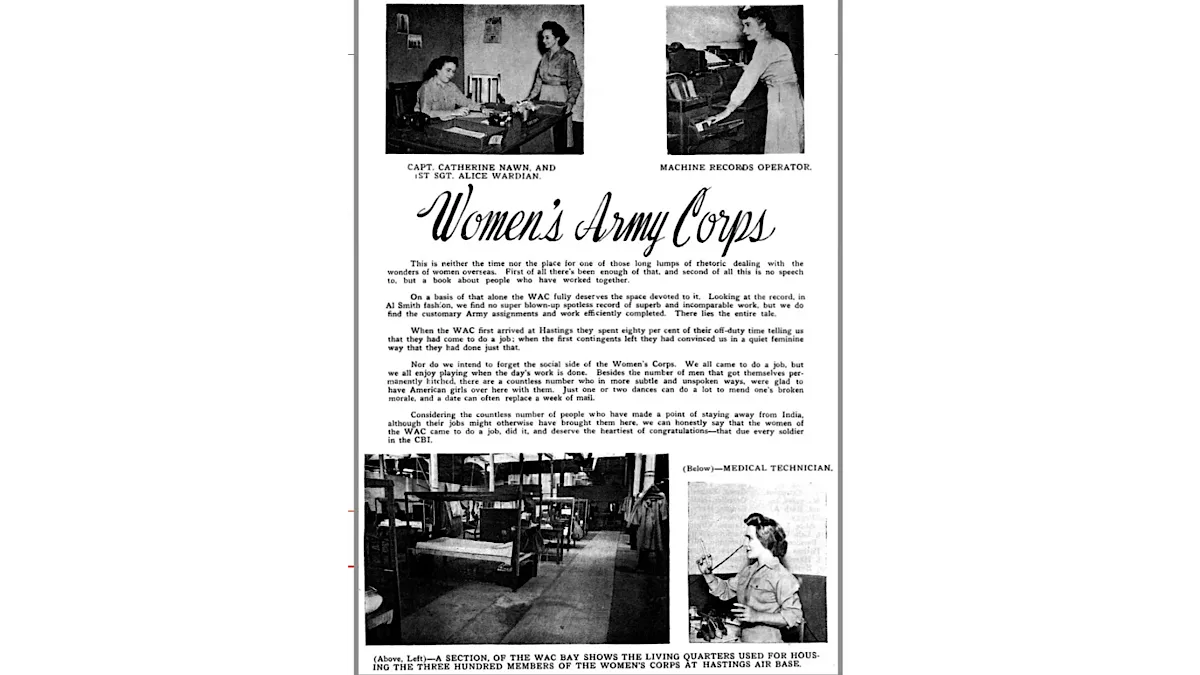
How the United States quietly built a functioning American township on the Hooghly to sustain victory in Asia during the Second World War
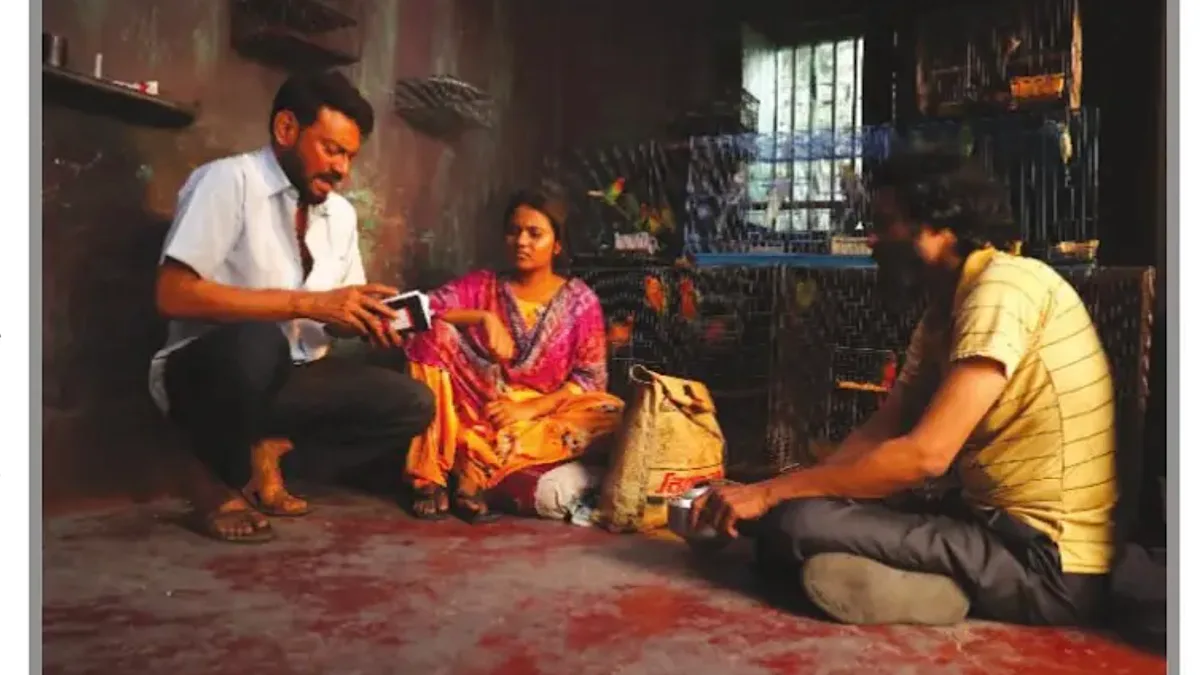
We are all caught up in our private traps,” as Norman Bates in Alfred Hitchcock’s 1960 thriller Psycho would have audiences believe.

A South Kolkata residential society organizes a spiritual festival on a stormy evening to commemorate the blessings of Lord Jagannath Bin hari kripa trina nahi dole….
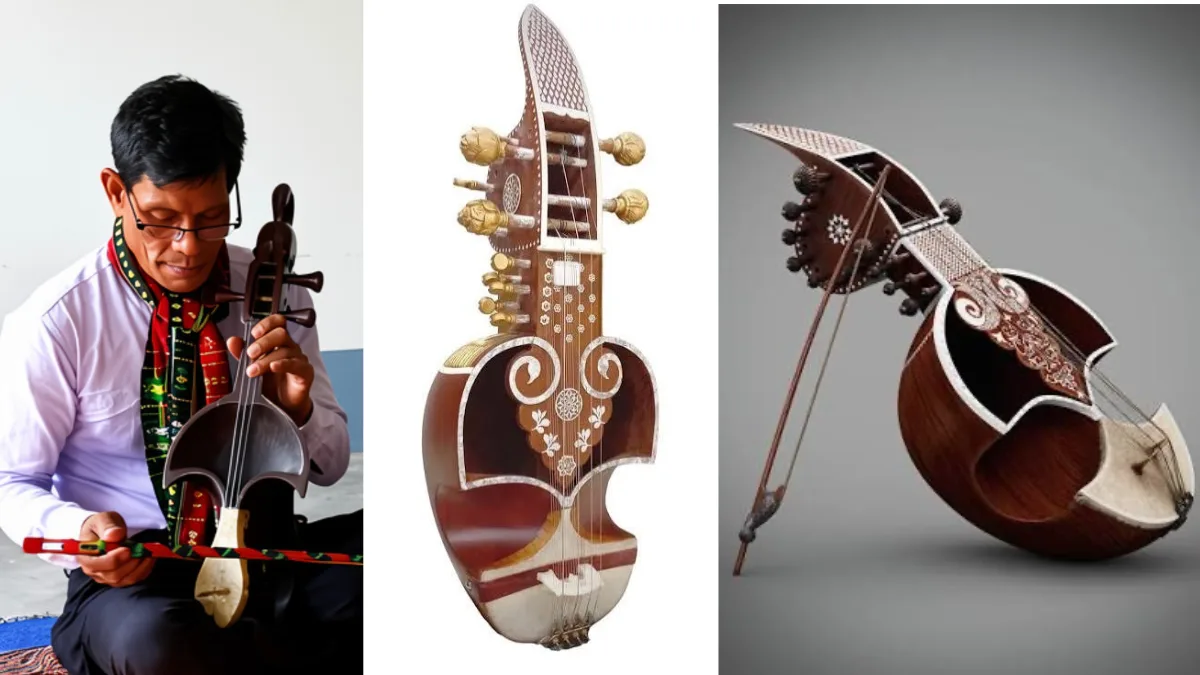
Selling a mass-produced synthetic stringed instrument as an authentic Tripura Sarinda is now a punishable offense just like counterfeiting a luxury watch is.

It is heartening to see that steps are actually being taken to address the issue of littering in public places.

Protect your terrace from leaks, seepage, and water damage. Discover the best waterproofing solutions and expert tips for a durable roof.
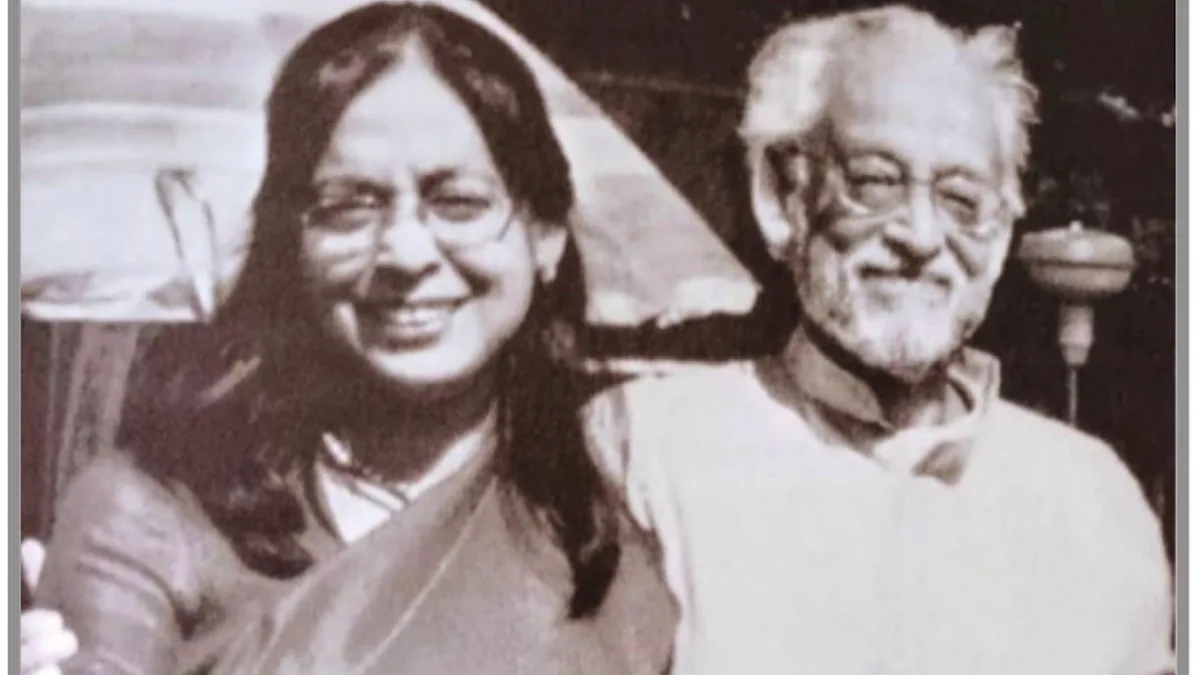
When a daughter decides to chronicle her father’s life, you would expect the biography to be hagiographical.
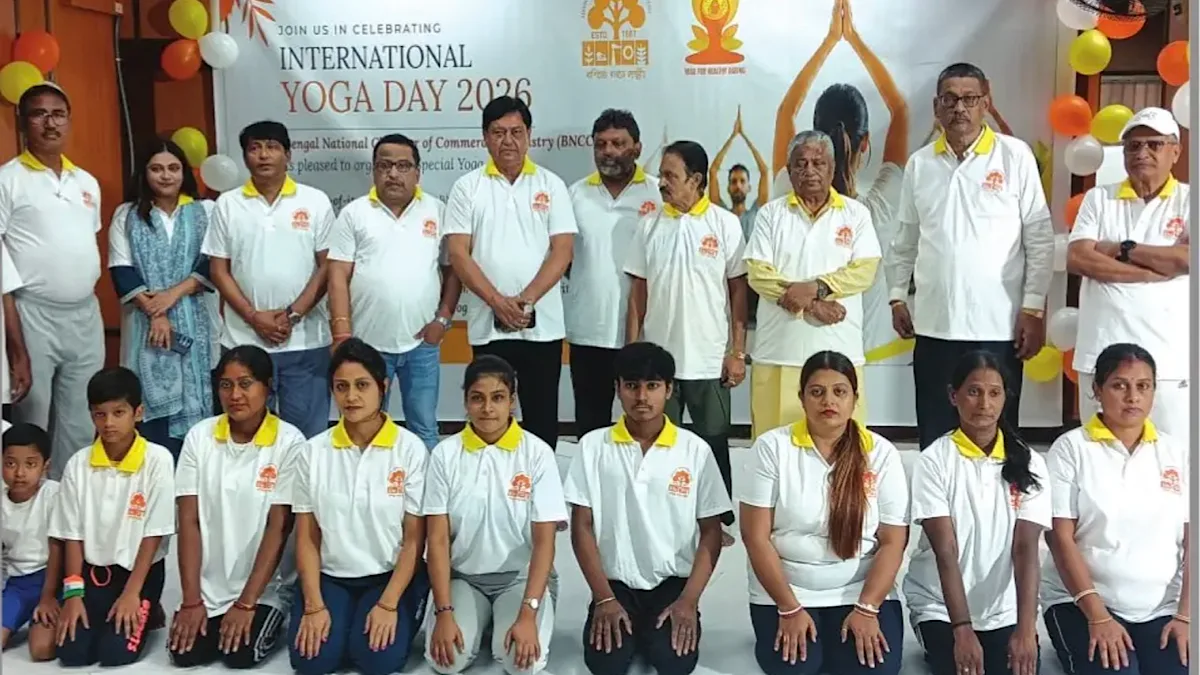
In observance of International Yoga Day 2025, which is celebrated globally on 21st June, the 140-year-old Bengal National Chamber of Commerce & Industry (BNCCI), in association with the Casipur Athletic Training Centre, organised a Special Yoga Session on 20th June 2025.

Nearly 8 BCM lost in two weeks as reservoirs shrink, groundwater declines and river basins face mounting pressure before monsoon

Today is a day which celebrates three of my most favorite things in the world: father, music, and yoga. Yes, today, Sunday, June 21 is World Father’s Day, World Music Day and World Yoga Day. What a blessed day it is indeed.