Neha Kakkar reveals that her new Coke Studio song is a tribute to Uttarakhand’s culture
Singer Neha Kakkar, who recently released her song 'Sonchadi', has shared that she is proud of her Uttarakhandi roots.
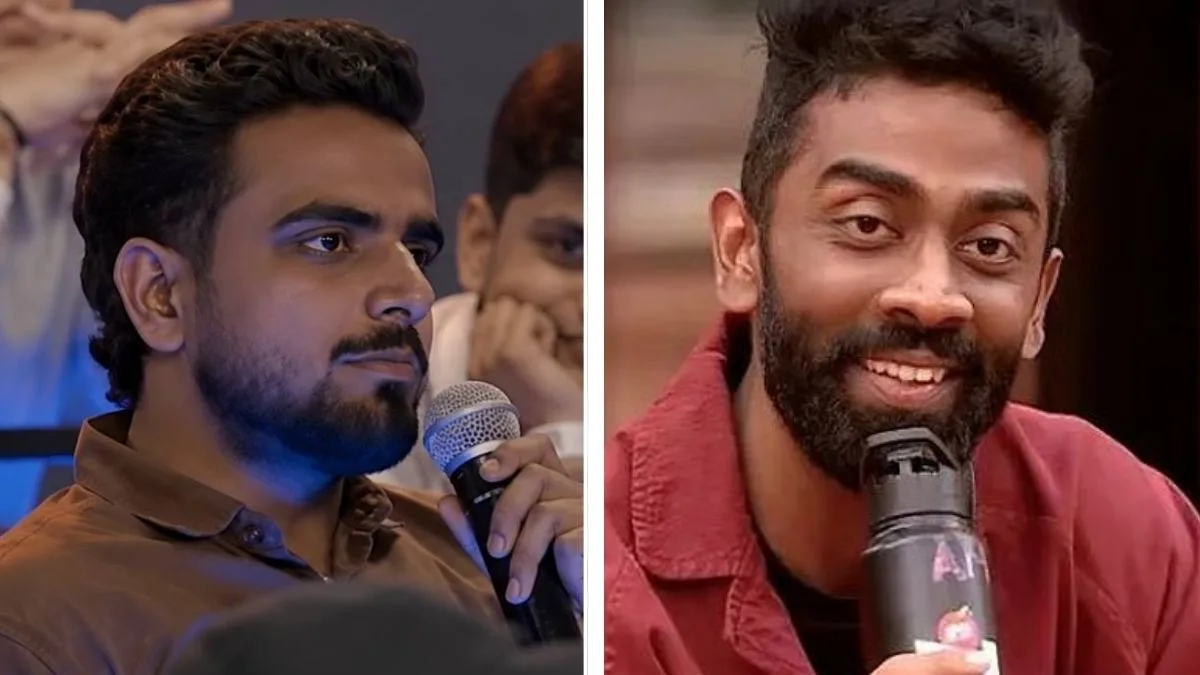
Before the fame, there was Saharsa, folk verses, and a father who loved music. Utpal Udit traces his journey from Bihar’s villages to Coke Studio Bharat, one red Murattha at a time. ‘Kachaudi Gali’ is just where the story became loud.




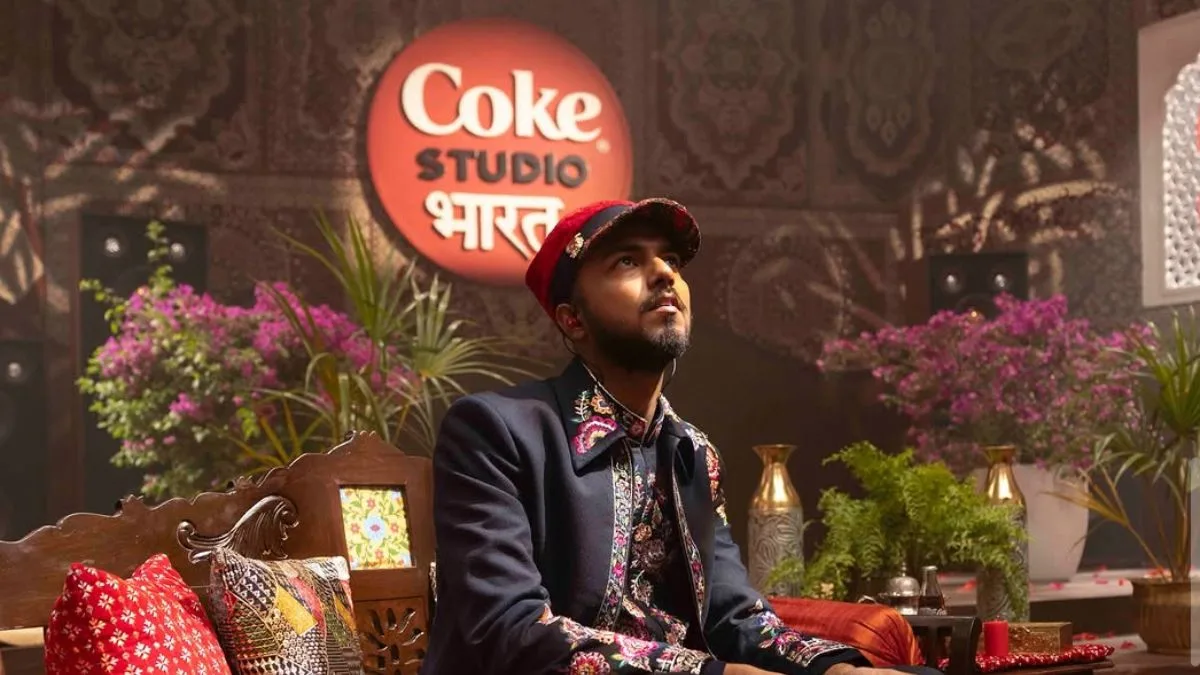
Image Source: Coke Studio Bharat
He almost always wears a red Murattha (a traditional turban-like headgear commonly worn in parts of Bihar and Uttar Pradesh). But for Utpal Udit, it is much more than a piece of clothing. It is closely tied to the ideology he believes in and the way he looks at the world.
He says the colour red reminds him of blood, the same in every human being, whether rich or poor, privileged or marginalised. For him, it is a symbol of equality. At the same time, he says, red is also the colour of revolution, embodying the spirit of change and resistance.
Advertisement
In a conversation with The Statesman, Utpal Udit, one of the voices behind ‘Kachaudi Gali’, the widely loved Coke Studio Bharat song, spoke about his musical journey, the story behind the track, and the ideas, influences and experiences that continue to shape his music.
Advertisement
It’s a really wonderful feeling. I’m very happy that Kachaudi Gali has received so much love through Coke Studio Bharat. What makes me happiest is that the music and culture of our region have reached so many people, and they’ve connected with it in such a positive way. Getting this kind of response and appreciation for our music is truly heartwarming.
Folk music has always been a big part of my musical journey, and I’ve been performing folk songs for as long as I can remember. I had shared a reel on Kachaudi Gali, and that’s where it all started. Khwaab, who is also a very good friend of mine, saw that reel and reached out to me. That’s how this journey began.
When I was first approached for the project, I honestly had a lot of doubts and questions in my mind. I kept wondering how things would work out and what the experience would be like. But once you’re in the studio and become part of the process, all those doubts and confusions disappear. Then your only focus is on giving your best performance and doing justice to the song.
I was also fortunate to work with Rekha Bhardwaj ma’am. She’s a very sweet person and made the entire atmosphere extremely comfortable. She created such a friendly environment that I never felt out of place or uncertain. She has a way of putting everyone at ease, and that made the whole experience even more special for me.
I was born in Saharsa, Bihar. Since my father had a transferable job, we moved to different parts of the state over the years. Because of those transfers, I got the opportunity to experience Bihar’s diverse cultures, traditions, and folk music. I got the chance to explore folk music from different linguistic regions, including Maithili, Bhojpuri, and Magahi. Along with the music, I was also drawn to the folk arts and the cultural significance behind these traditions.
Music was always a part of my home. My elder brother and sister learned music, and my father, especially, had a deep love for listening to it. So there was already a musical environment around me growing up.
As I continued to travel and experience different parts of Bihar, I also started reading the works of Vidyapati, Bhikhari Thakur, Mandan Mishra, and Ayachi. Through their writings, I came to understand how powerful folk music and folk art can be. They are much more than entertainment, they have the ability to preserve culture, tell stories, and bring about change. Realising this inspired me to explore music more deeply and understand its possibilities.
Looking back, I feel that these experiences, the places I lived in, the folk traditions I encountered, and the literature I read, have shaped my musical journey in a very beautiful way.
Kachaudi Gali tells the story of a newly married woman whose husband is arrested by the British and sent to prison. While she expresses the pain of separation, she also challenges the British, saying that if she had the chance, she would bring him back herself. The song is as much about resilience and resistance as it is about longing.
When it comes to music from Uttar Pradesh and Bihar, there is often a preconceived notion that it is associated with the objectification of women. However, folk songs like Kachaudi Gali beautifully challenge that perception. They do so with simplicity, sensitivity, and a deep understanding of the lived experiences of women.
Folk music has historically been a space where women’s voices, emotions, struggles, and aspirations have been given importance. In many folk songs, women are not merely subjects of a story; they are individuals with agency, identity, and strength. Folk traditions have consistently spoken about women’s empowerment and have celebrated their existence as independent individuals.
For me, the red Murattha represents the colour of blood. The message behind it is very simple. In a society where we still see divisions based on caste, class, and social background, it reminds us that no matter who we are rich or poor, from a forward caste or a backward caste our blood is the same colour. That’s the message I want it to carry.
At the same time, the Murattha is deeply connected to the culture of this region. People who wear it are often seen through a certain lens, as common working-class people. But traditional headgear in many other cultures is often viewed with pride and respect. I feel the Murattha should be seen in the same way. For me, it represents the identity and culture of Bihar and eastern Uttar Pradesh. It is a symbol of the common person, while also carrying a message of equality and unity.
I believe that whatever you choose to do, you should do it for the sake of it, not just for fame, money, or recognition. It is important to ask yourself whether your work is creating an impact, whether it is delivering the message you want to share with the world.
If that isn’t happening, then perhaps it’s worth taking a step back and rethinking your approach. Honesty is extremely important in any form of art. Today, people often find themselves chasing success, fame, and money very quickly, but I feel that should never become the sole purpose of what you do.
Especially when it comes to folk music and folk art, if you’re trying to take these traditions forward, do it with complete honesty and sincerity. Stay true to the art, stay true to the culture, and the rest will follow.
Advertisement