The Drive to Do Good
It is heartening to see that steps are actually being taken to address the issue of littering in public places.
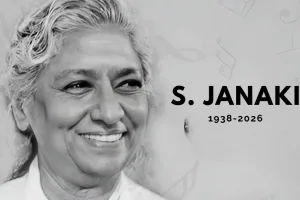
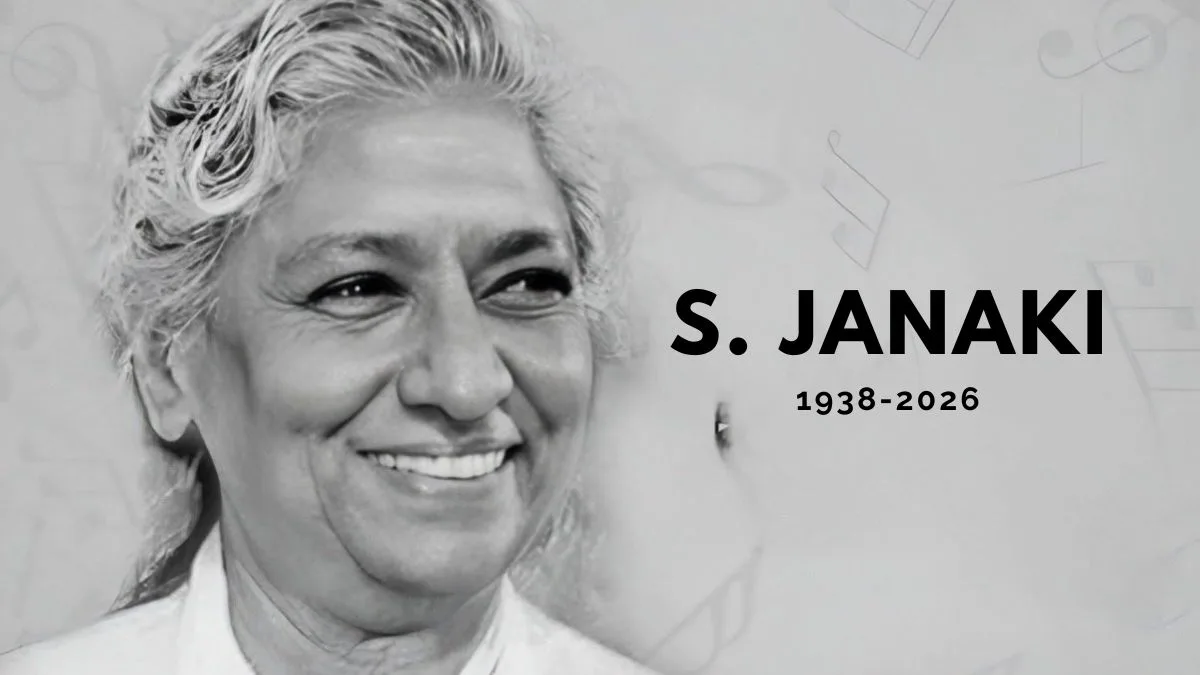
Her voice crossed languages, generations, and emotions, turning every song into a memory that still lives in millions of hearts.




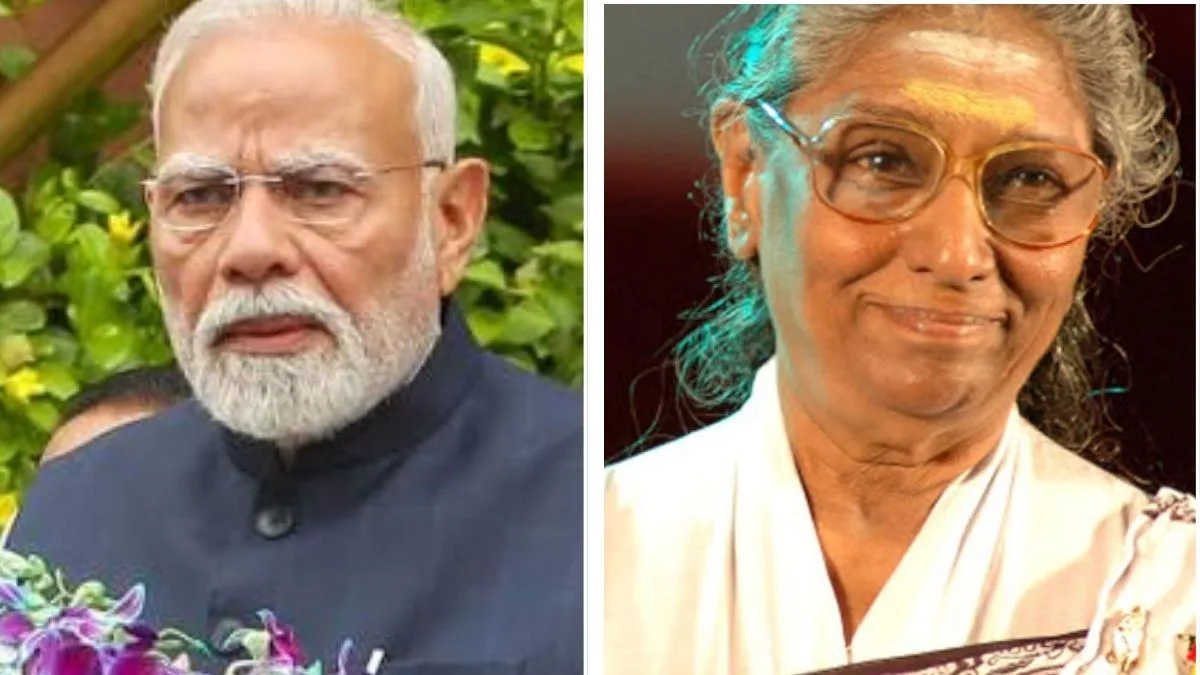
Image Source: X
The Indian music world lost one of its true legends this weekend. S. Janaki, the playback singer whose voice shaped generations of Indian cinema, passed away Saturday at a private hospital in Mysore. She was 88. Prime Minister Narendra Modi was among the first to pay tribute, calling the death of Janaki an “irreparable loss” to Indian music and culture in a message posted on X Sunday.
The passing of the distinguished playback singer S. Janaki Amma is an irreparable loss to the world of music and culture. Her songs in various languages were popular across generations. They gave voice to every emotion with unparalleled grace as well as versatility. Her melodies…
Advertisement
— Narendra Modi (@narendramodi) July 12, 2026
Advertisement
Modi didn’t hold back in his praise, describing her as an artist whose talent simply couldn’t be replicated. He pointed out that her songs — recorded across so many Indian languages — still resonate with listeners today, and will likely keep doing so for generations to come. What stood out most, he said, was how her voice could carry every emotion, delivered with a kind of grace and range few singers ever achieve.
He closed his message with condolences to her family, her fans, and the wider music community, ending simply with “Om Shanti.”
Word of her passing came from her granddaughter, who shared it on social media. From there, it spread fast — musicians, fans, and public figures across the country began paying their respects almost immediately. For many, her death feels like the closing of an entire era in Indian film music.
Janaki’s playback career began back in 1957 with the Tamil film Vidhiyin Vilayattu. That same year, she also started singing in Malayalam — a language she wasn’t born into, but one she’d go on to define for an entire industry.
She didn’t just sing the words phonetically, either. She worked at getting the pronunciation, the accent, even the subtle emotional cues of the language exactly right. And, she got so good at it, in fact, that a lot of listeners genuinely assumed she was a native Malayalam speaker.
By the 1970s, there was really no female voice more central to Malayalam films than hers. Audiences connected with the emotion she brought to every song, and her fluency in the language only deepened that connection.
Her songs weren’t just hits — they became part of the emotional fabric of Malayalam cinema, tied to some of its most memorable on-screen moments for decades.
Numbers alone don’t really capture what she achieved, but they help put it in perspective: across a career spanning 1957 to 2017, she recorded more than 48,000 songs in 20 different languages. Few playback singers, anywhere, have matched that kind of output.
Her work earned her four National Film Awards, along with an astonishing 33 State Film Awards — recognition that reflects just how deeply her voice shaped Indian music across generations.
Advertisement