Pyaasa songs: Why Gen Z should not ignore this OG soundtrack on heartbreak, situationship, fake success
Long before social media and sad playlists, these songs already spoke about heartbreak, failure and feeling lost. That is why Gen Z may feel shocked to hear how accurately these old lyrics describe their own struggles today.
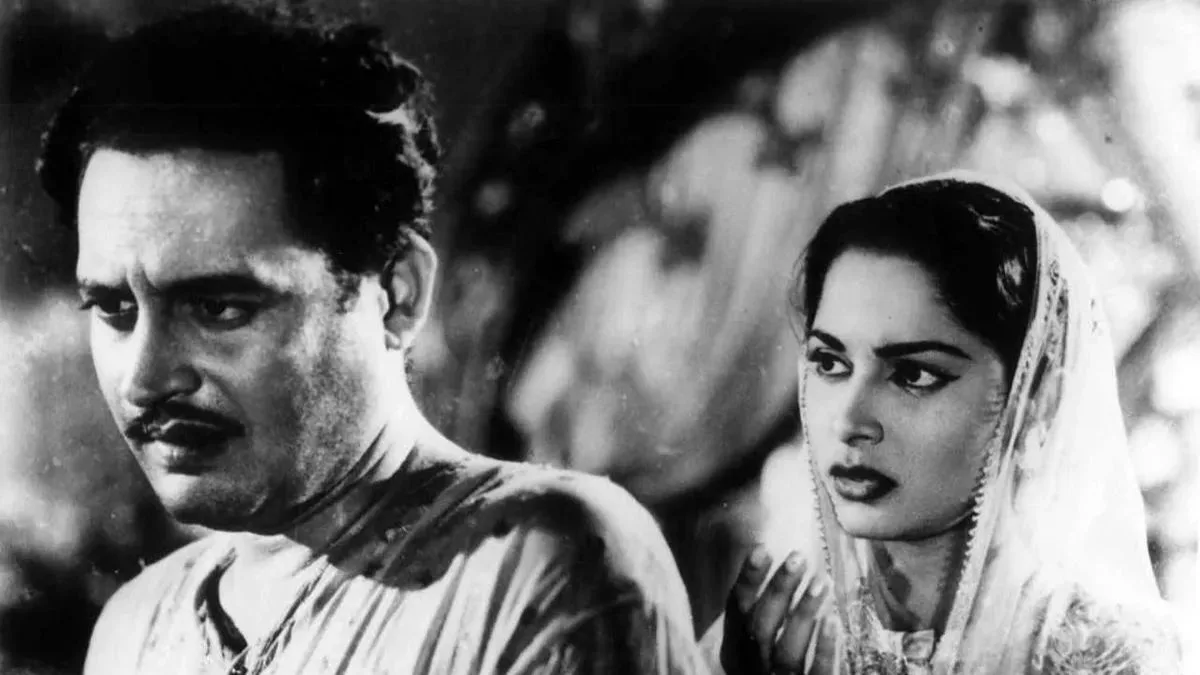
Gen Z lives on playlists, trending reels, heartbreak edits, and late-night sad-song loops. But long before lo-fi beats, before “situationship” playlists existed, there was a black-and-white film dropping emotional bombs through poetry. That film was ‘Pyaasa’. And its songs? Pure, unfiltered truth-bombs.
These songs are therapy sessions, political protests, philosophical questions, emotional meltdowns. ‘Pyaasa’ used songs like weapons.
Advertisement
So if Gen Z thinks old songs are slow, outdated, or “for parents,” sorry but that myth needs to be cancelled.
Let’s decode why these songs deserve a comeback on Gen Z playlists.
Song 1: Yeh Hanste Huye Phool
This is the opening mood. Flowers, sky, breeze, beauty. Everything looks dreamy. Vijay observes nature like romantic poet who sees poetry in everything. Very Pinterest-core.
But suddenly, a man steps on a bee. Dead. Beauty destroyed without thought.
That one moment hits harder than any modern metaphor. The bee becomes symbol of fragile dreams. Society doesn’t even notice when it crushes them.
Gen Z translation? You post your passion online. Society scrolls past. Someone richer copies it and gets fame. Your dream gets stepped on.
This is literally every creative Gen Z kid who feels their art doesn’t fit into algorithm-driven success.
Sound familiar?
Song 2: Sar Jo Tera Chakraye
At first glance, this song looks like comic relief. A cheerful masseur sings and attracts customers. People laugh. Mood becomes light.
But wait. The lyrics quietly talk about headaches, stress, heart pain. These represent daily struggle of common people trying to survive in system that ignores them.
The masseur says: come to me, rich or poor, leader or follower; I treat everyone equally.
Boom. That line is basically a slap on social inequality.
He creates tiny utopian world where class differences don’t matter. That is Vijay’s dream society. Fair. Equal. Humane.
Gen Z should pay attention here. Today we talk about inclusivity, equality, safe spaces. This song imagined all that decades ago.
Song 3: Gham-E-Is Kadar Badhe
This is where things stop being poetic and become real. Vijay loses his mother. Guilt, sorrow, helplessness crash into him. He drinks alcohol just to numb his mind.
His song becomes a confession: sorrow became unbearable, so I drank. The world rejected me, so today I reject the world.
This marks his shift from silent suffering to emotional rebellion.
Gen Z understands this. The pressure to succeed, please family, achieve dreams, and still feel empty? That emotional burnout is universal now.
This song is not about drinking. It’s about coping.
Today we talk about anxiety, guilt, emotional numbness. This song explores all without any therapy language.
Song 4: Jinhe Naaz Hai Hind Par Woh Kahan Hai?
Now comes the most savage moment. Vijay asks where are those who feel proud of this nation? Where are the protectors of dignity?
This is a political scream. It asks why society celebrates progress but ignores exploitation, poverty, injustice.
Today we celebrate economic growth, tech success, global fame. But do we notice inequality, job insecurity, discrimination?
That uncomfortable question is exactly why Gen Z must revisit this song. It challenges blind patriotism and demands compassionate nationalism.
The song does not insult the nation. It asks the nation to introspect.
Song 5: Jaane Kya Tune Kahi
This song plays when Gulab, the courtesan, enters Vijay’s life. It is not loud, not dramatic, but quietly intense. In modern terms, this is the “situationship anthem.”
The song explores emotional ambiguity when someone affects you deeply but your relationship has no clear label.
For Gen Z, who constantly debate “green flags”, “red flags” this song offers truth of real emotional connection often exists outside socially approved boxes.
Song 6: Ham Aapki Aankhon Mein
This duet is dreamy, soft, visually magical. It shows Vijay imagining perfect romantic world with Meena, his past love. Everything feels gentle, ideal, poetic like those romantic fantasies you build in your head after one meaningful conversation with someone.
But the tragedy? It’s just a dream.
Meena chooses financial security over emotional depth. She marries wealthy publisher instead of struggling poet she once loved. That decision represents one of the most brutal realities Gen Z faces today: love vs practicality.
In today’s social pressure to “settle well”, relationships are constantly influenced by financial stability and status. Emotional compatibility loses to security.
Song 7: Jaane Woh Kaise Log
This is THE song. Every overlooked, under-recognised, talented young lover needs to hear this once in their life.
It plays in a gathering of elite, sophisticated people who pretend to value art and poetry. Vijay sings about how world celebrates certain people while ignoring others who are equally or more deserving.
He asks what kind of people get love and recognition while genuine souls remain unnoticed?
This song questions a system where validation is unevenly distributed. Gen Z complains about “algorithm bias”, “industry gatekeeping”, “insider privilege.” This song said the same long ago.
Song 8: Aaj Sajan Mohe Ang Lagalo
Gulab, a woman considered morally inferior by society, expresses pure, unconditional love for Vijay. It’s not possessive. It’s not transactional. It is surrender, longing to embrace someone not physically but emotionally and spiritually.
In today’s cynical dating culture, unconditional affection feels rare. Gen Z jokes about being emotionally unavailable. Beneath that humour lies deep craving to be accepted fully; flaws and all.
This song says true love is not about status, past, societal labels. It’s about emotional refuge.
Song 9: Tang Aa Chuke Hain Kashm-e-Kashe Zindagi Se
It captures feeling of being tired of constant struggle. No dramatic sadness but quiet exhaustion. The kind where you are not crying loudly but just feel mentally drained.
Gen Z calls this burnout. Pressure to succeed, to be productive, to maintain social presence, to achieve financial independence early. It all creates emotional fatigue. This song understands that fatigue. [Sigh]
It says life’s constant battles can make even strong souls feel defeated. But the act of expressing that exhaustion itself becomes resistance.
Song 10: Ye Duniya Agar Mil Bhi Jaye Toh Kya Hai
Vijay stands before a crowd that suddenly worships him only after believing he is dead. Fame, recognition, validation; everything he once wanted finally comes to him. Instead of celebrating however, he rejects it all.
For Gen Z, constantly chasing validation, this song hits like a slap. It exposes hollowness of success that arrives too late or comes without genuine respect.
Why Gen Z specifically needs these songs now
Today’s youth is hyper-connected but emotionally isolated. Success is measured by followers, productivity, public validation.
But inside, many feel unseen, unheard, and creatively suffocated.
Vijay’s character is literally the original struggling creative who refuses to sell his soul for fame. He wants recognition for authentic art, not market-friendly performance.
Isn’t that every indie artist today?
Isn’t that every student who feels grades define their worth?
And, isn’t that every young adult who questions whether money equals happiness?
These songs tell them: you are not alone. This confusion has existed forever.
So calling these songs “old” is actually incorrect. They are simply honest. And honesty never goes out of fashion.
Twenty six years is a long time in any career, longer still in an industry that moves as fast as Hindi cinema. Kareena Kapoor took a moment to pause and look back at exactly where her journey started.
Before 'Woh 7 Din', Anil Kapoor was just another newcomer that producers kept turning away. Then came a struggling singer named Prem, a family that bet everything on him, and seven days that changed Hindi cinema.
Decades have passed since the cameras rolled on 'Aa Gale Lag Jaa'. But Shatrughan Sinha has not forgotten what it felt like to share a set with Shashi Kapoor.