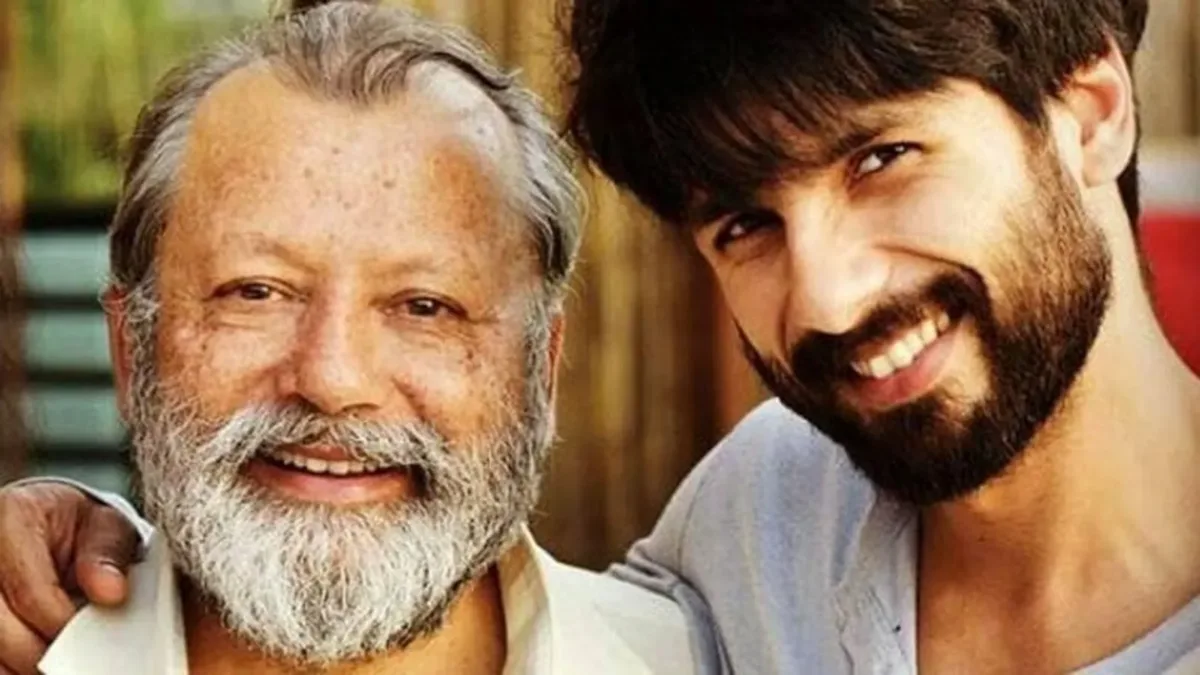
Pankaj Kapur with his recent comments on Shahid Kapoor-starrer controversial film ‘Kabir Singh’ has stirred fresh debate.
In an interview with Lallantop, the veteran actor praised Shahid’s acting in the film but also appeared to defend its problematic themes. “He has also done good work in ‘Kabir Singh’,” Kapur said. When asked about the backlash against the film for glorifying toxic masculinity, he added, “That is okay because it doesn’t mean that toxic masculinity doesn’t exist. It exists in society and because somebody made a film on it we started objecting to it. This is our own outlook.”
Advertisement
Kapur’s words echo a pattern among some Bollywood insiders who have come to the film’s defense. Shahid Kapoor himself has previously argued that his portrayal of Kabir was “truthful”. He cited real-life alpha males who display controlling behavior.
Actor Manoj Bajpayee has also chimed in earlier, warning that censoring such films could spark moral policing and stifle artistic freedom. Filmmaker Anurag Kashyap went a step further, claiming that the story reflects 70–80% of urban India and dismissing political correctness in cinema as counterproductive.
But the core of the debate remains troubling. ‘Kabir Singh’, a remake of the 2017 Telugu hit ‘Arjun Reddy’, tells the story of a surgeon who descends into self-destruction after his girlfriend, played by Kiara Advani, is forced into another marriage.
The film showcases Shahid Kapoor’s performance that repeatedly celebrates abusive, possessive behaviour as inherent passion. A lot of critics argue that normalizing such traits under the guise of realism or “truthful” acting risks sending dangerous messages to the society about gender and relationships.
Despite the defenders, many viewers feel these justifications sidestep the real harm. Praising the actor’s craft, according to them, does not erase the fact that Kabir’s traits. These include aggression, manipulation, and harassment that are presented without any meaningful consequences. And by framing toxic masculinity (and misogyny) as merely a societal reality, the defenders risk making it seem acceptable. They are not bringing it forward as an issue that needs serious addressing.
Interestingly, defenders often cite freedom of expression and cinematic authenticity as shields against these very critics. But the critics counter that the responsibility of storytellers should extend beyond performance alone. Art does influence society. And, repeated portrayals of such toxic behaviour as heroic can reinforce unhealthy norms, particularly among young audiences.