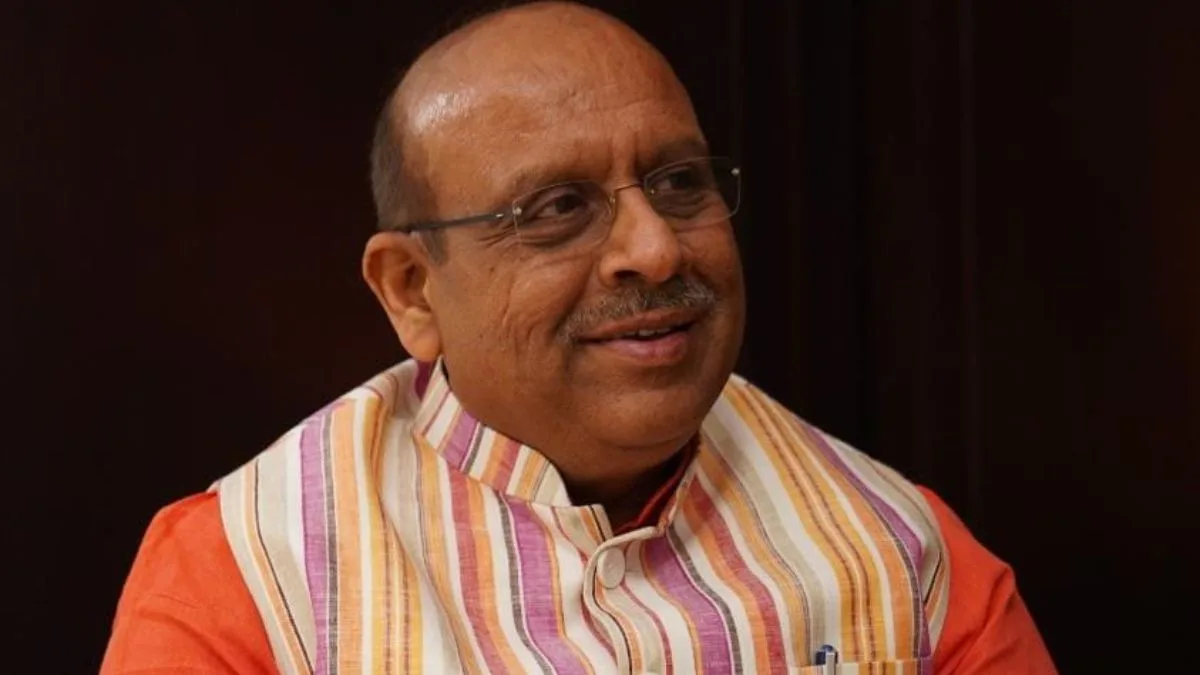
On the 107th anniversary of the Jallianwala Bagh massacre, Delhi Legislative Assembly Speaker Vijender Gupta on Monday paid heartfelt tributes to the immortal martyrs who laid down their lives in the face of colonial brutality before Independence.
On this occasion, Gupta drew attention to a significant historical fact that often remains buried in the layers of history. He noted that the present Delhi Legislative Assembly building, then known as the Imperial Legislative Council, stood witness to the pain and resistance of India’s freedom struggle.
Advertisement
He said that on 18 March 1919, despite strong opposition and stern warnings from Indian members within the House, the British government passed the draconian Rowlatt Act in that very chamber.
It was in protest against this Act that Mahatma Gandhi called for the Civil Disobedience Movement.
Gupta noted that the first spark of this movement was ignited on the soil of Delhi itself. He recalled that on 30 March 1919, at Chandni Chowk’s Clock Tower, unarmed and innocent citizens who had gathered peacefully were fired upon with machine guns by the then administration, an incident he described as a dark chapter in Delhi’s history.
The Speaker further stated that this tragic incident at Chandni Chowk was repeated merely fourteen days later, on 13 April 1919, in Amritsar at Jallianwala Bagh, when hundreds of innocent Indians were mercilessly gunned down on the orders of Reginald Dyer.
“That horrific event, even after 107 years, continues to fill every Indian heart with deep anguish and exposes the true brutal nature of British rule,” Gupta added.
The Speaker emphasized that the supreme sacrifices made by the martyrs did not go in vain, and that their blood further ignited the flames of the freedom struggle, uniting the entire nation in the collective pursuit of independence.