Delhi Assembly commits to document lives of 45 lesser-known nation builders
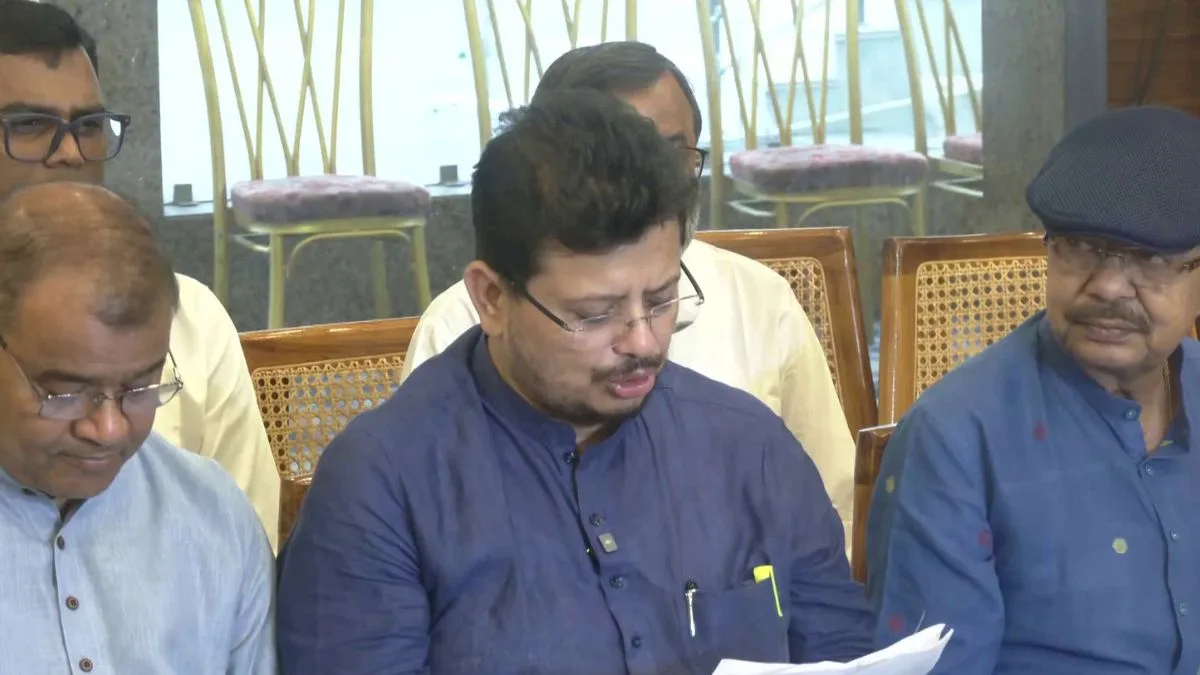
The Delhi Assembly has undertaken the task of documenting and publishing the lives of nearly 45 nation-builders, said the Assembly Speaker Vijender Gupta on Monday.
Delhi Assembly Speaker Vijender Gupta on Saturday said that tree plantation is not merely an event but a commitment to future generations, adding that the true success of a plantation drive lies not in the number of trees planted, but in the number that survive and flourish.




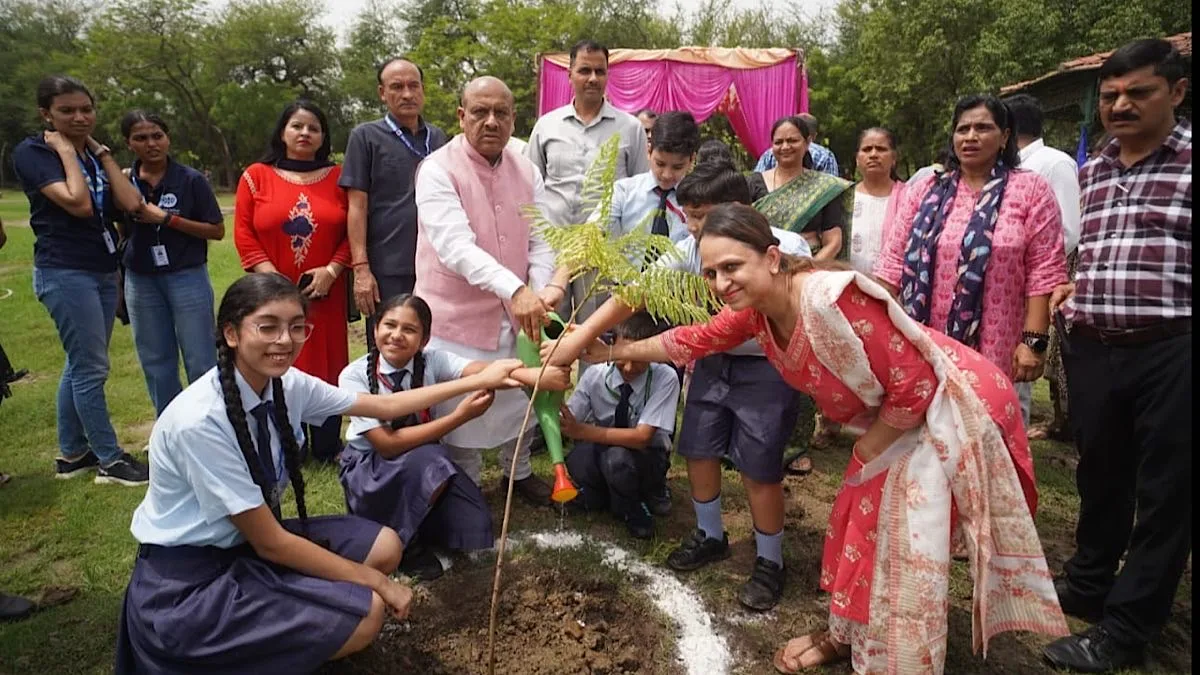
Photo:SNS
Delhi Assembly Speaker Vijender Gupta on Saturday said that tree plantation is not merely an event but a commitment to future generations, adding that the true success of a plantation drive lies not in the number of trees planted, but in the number that survive and flourish.
Gupta took part in a large-scale tree plantation drive at Chitragupt Park, DDA District Park, Sector-14, Rohini, on Saturday. Organised by the DDA in collaboration with Sampoorna and Bharatiyam Trust, the drive aims to promote environmental sustainability and strengthen community participation in creating a cleaner, greener, and healthier city.
Advertisement
As part of the initiative, approximately 500 indigenous Jamun saplings were planted, with special emphasis on increasing the green cover through native tree species.
Advertisement
The Deputy Director of the DDA, the area councillor, the Deputy Chairman of the Rohini Zone, representatives of Bharatiyam Trust and Sampoorna, environmentalists, volunteers, and residents also took part in the initiative, expressing their support to promote a greener and healthier Delhi.
Speaking on the occasion, Gupta said that the Rohini Assembly constituency has emerged as one of Delhi’s greenest localities due to sustained public participation and long-term environmental efforts.
He emphasised that the campaign launched from the District Park should evolve into a mass movement reaching every household, encouraging citizens to actively participate in protecting and expanding Delhi’s green cover.
Highlighting the importance of indigenous species, Gupta said that native trees such as Neem and Jamun are best suited to the local ecosystem and should be planted extensively.
He appealed to residents to organise plantation drives in their neighbourhood parks and become active stakeholders in environmental conservation.
Underscoring that plantation alone is not sufficient, the Delhi Assembly Speaker stressed that the survival and sustained care of every sapling must remain the foremost priority.
“There is a significant difference between planting a tree and ensuring that it grows into a healthy one. Our responsibility does not end with plantation; it begins there,” he remarked, urging citizens to nurture every sapling with dedication.
Referring to Prime Minister Narendra Modi’s nationwide campaign, “Ek Ped Maa Ke Naam”, Gupta said the initiative carries a deep emotional and cultural message by encouraging every citizen to plant and care for a tree in honour of their mother.
He noted that nurturing such a tree becomes a lasting expression of love, gratitude and remembrance, strengthening both family values and environmental consciousness.
Recalling his recent visit to Ladakh, Gupta shared how the region’s sparse greenery made him realise the invaluable role trees play in sustaining life.
He observed that while Ladakh possesses extraordinary natural beauty, its harsh climatic conditions make tree survival extremely difficult.
Reflecting on Rohini’s transformation over the past three decades, Gupta recalled that when he was first elected in 1997, the township’s roads lacked adequate tree cover despite its planned development. He added that after consistently raising the issue and pursuing large-scale plantation initiatives, the assembly constituency now stands as a model of urban greenery.
Advertisement