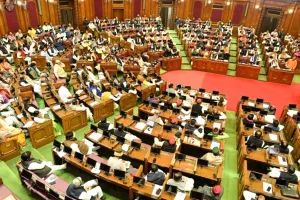
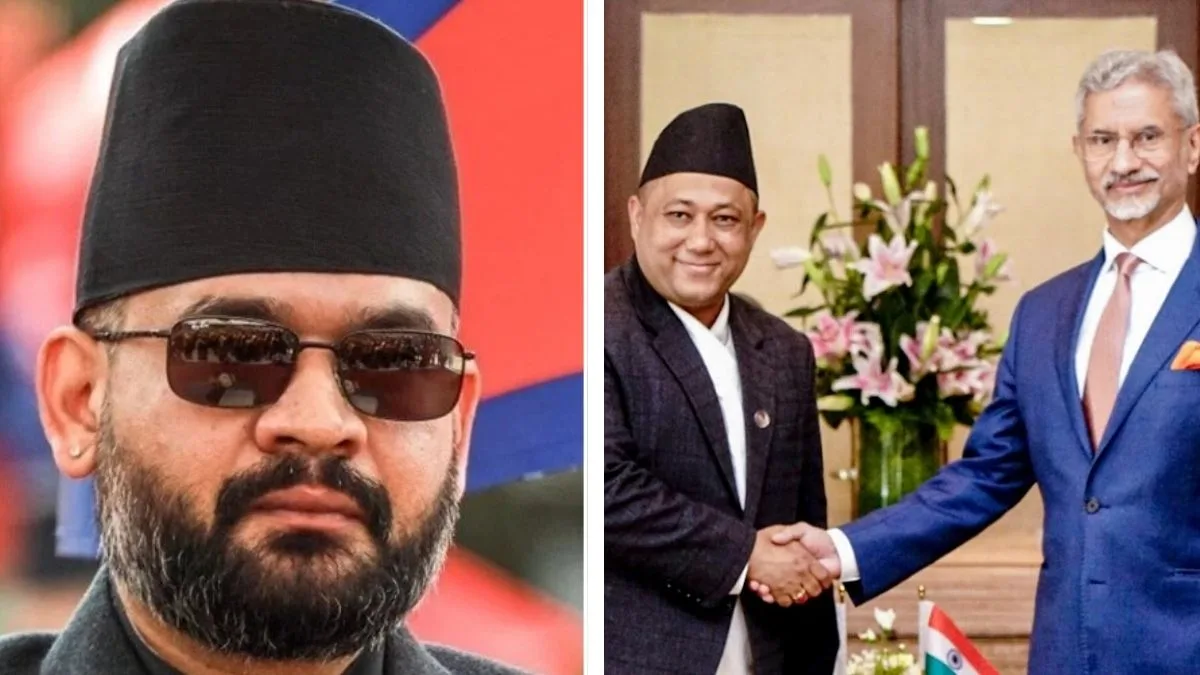
AAP take offence to Parvesh Verma’s ‘bhai’ remark in Assembly
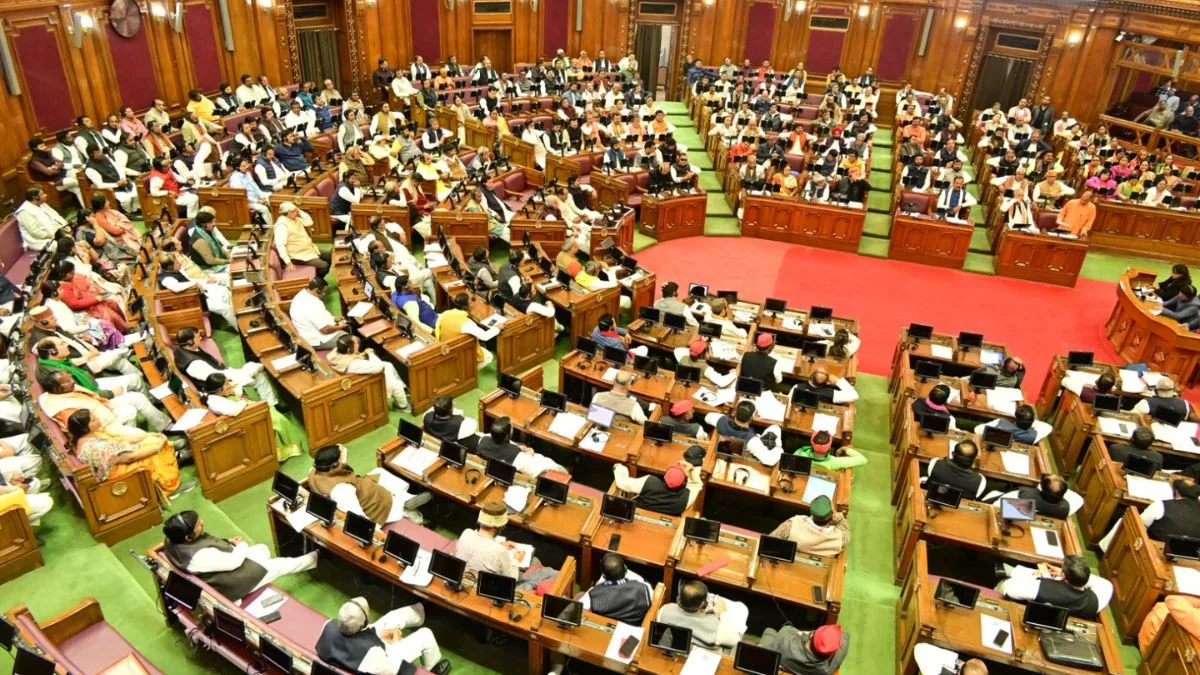
As the protest against the remark intensified, the speaker ordered marshalling the AAP legislators, Vishesh Ravi and Kuldeep Singh, out.
The Minister stated that the aim of the move is to curb the misuse of Delhi’s water resources.





File Photo: ANI
Delhi Public Works Department & Water Minister Parvesh Sahib Singh announced on Wednesday that all the private commercial establishments, including hotels, banquet halls, shopping malls, and private hospitals, will be billed based on the amount of sewage they discharge, instead of traditional water meter readings.
The Minister stated that the aim of the move is to curb the misuse of Delhi’s water resources. According to him, the government has no accurate data on the water consumption of many of these commercial entities and many of them don’t have legal water connections or functional meters, yet they continue to discharge massive volumes of sewage every day which led to significant loss of revenue for the government and unchecked exploitation of public water.
Advertisement
“Every drop will now be accounted for. The more sewage you release, the more you will pay for water. The free ride for those making crores using public resources is over,” said Parvesh Sahib Singh.
Advertisement
As per the new system, all major private commercial units will be evaluated on the basis of the sewage they release. Any establishment without a functional water meter or unable to prove the source of water will also be charged based on its sewage discharge.
The water minister said for years, several big commercial players in Delhi have been using water without declaring their consumption or paying the appropriate charges. Despite visible sewage discharge, there are no matching water bills, indicating either illegal sourcing or complete bypassing of official supply systems.
“This is not a tax. It’s a question of responsibility. You cannot run massive profit-making operations on free public water and give nothing back. That will not be tolerated anymore,” he added.
He, however, clarified that the new system will not affect residential consumers and is solely aimed to curb commercial violators.
There will be no impact on domestic users, including residents, low-income households, or slum dwellers and the policy is designed to make only profiteering institutions accountable, he said.
Advertisement