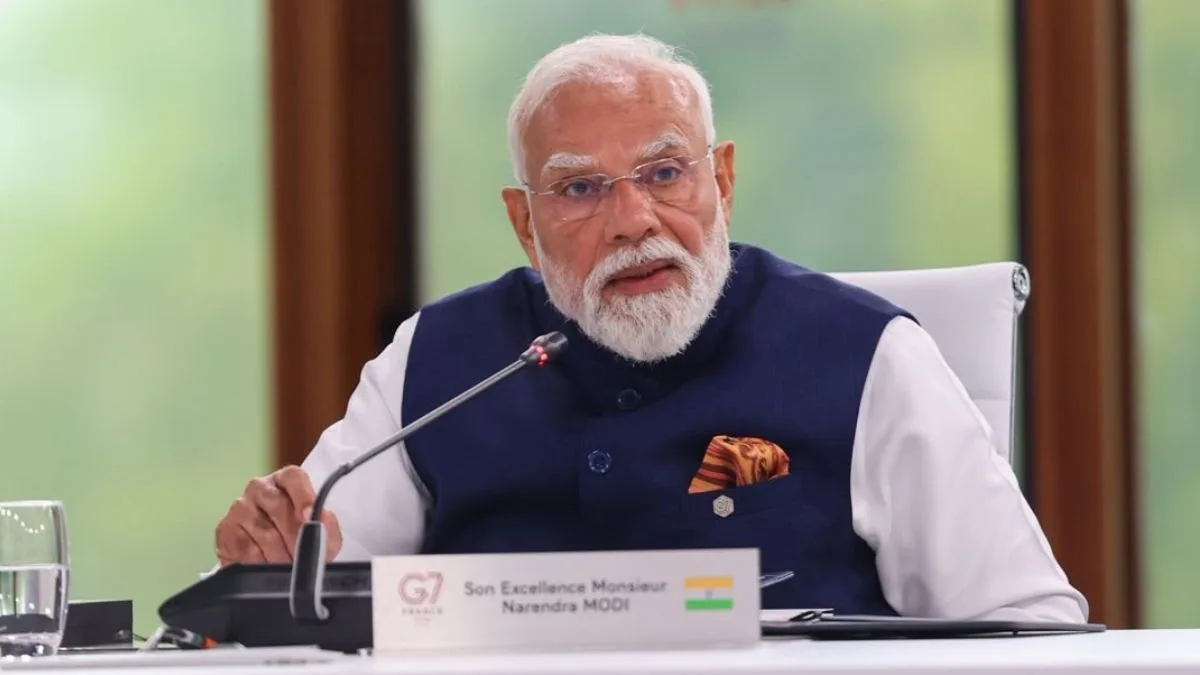
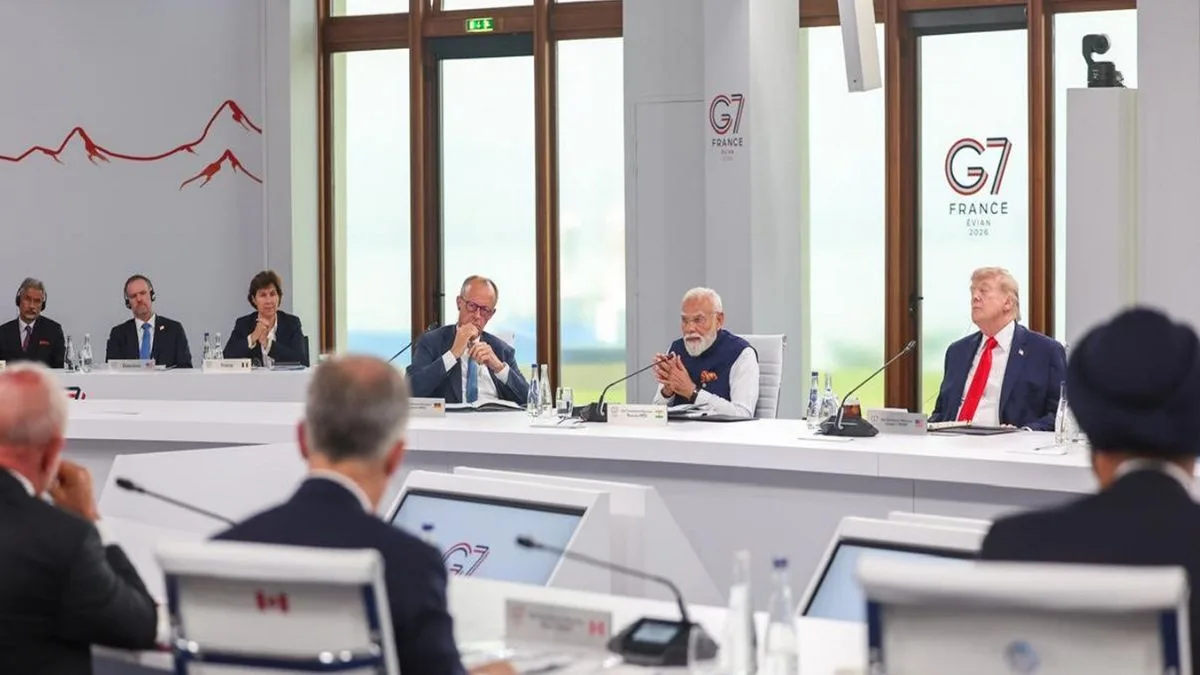
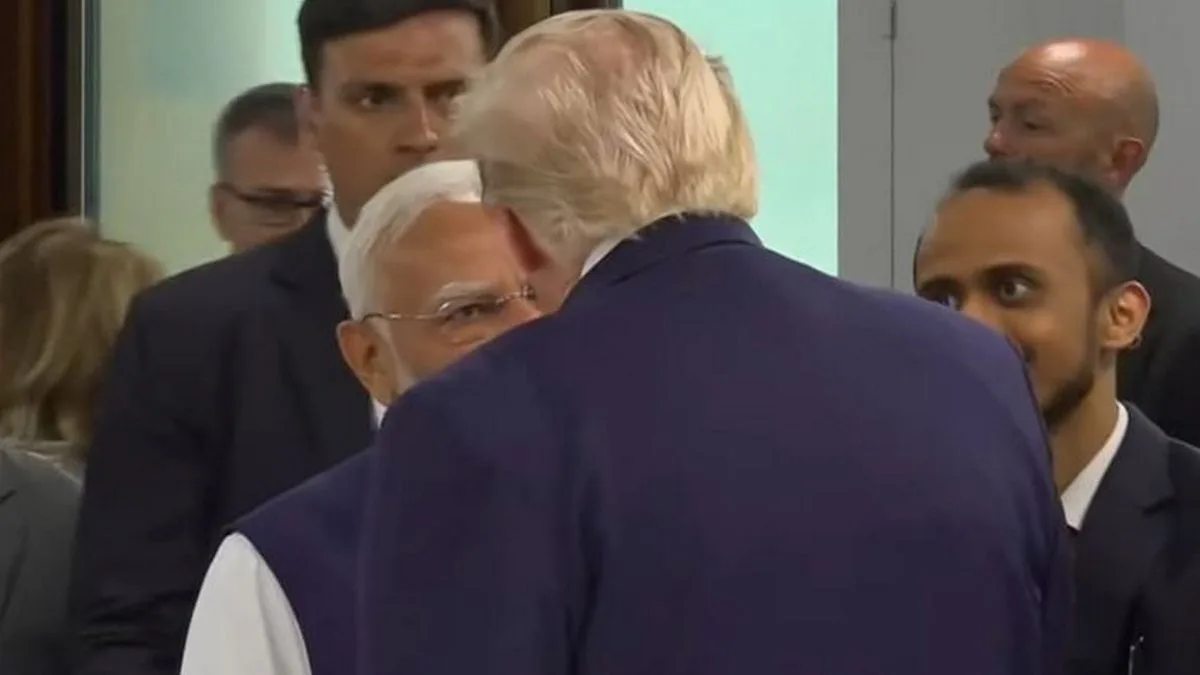
With Trump by his side, PM Modi raises seafarers’ safety at G7 days after 3 Indians killed in US Navy attack
Modi said that sea routes must remain secure and seafarers should be allowed to carry out their duties without fear.
Prime Minister Narendra Modi will visit Uttarakhand and Uttar Pradesh on Tuesday, April 14, to inaugurate the Delhi–Dehradun Economic Corridor and review key wildlife conservation features integrated into the project, according to official sources.




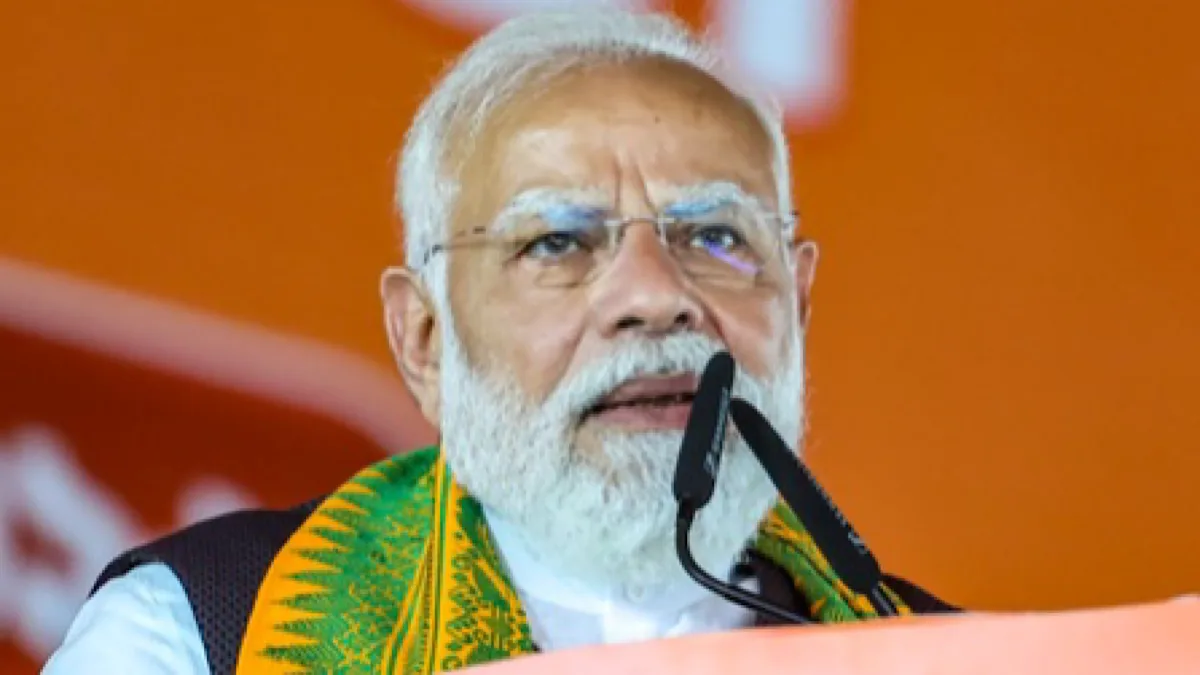
PM Modi
Prime Minister Narendra Modi will visit Uttarakhand and Uttar Pradesh on Tuesday, April 14, to inaugurate the Delhi–Dehradun Economic Corridor and review key wildlife conservation features integrated into the project, according to official sources.
During his visit, the Prime Minister will first arrive in Saharanpur at around 11:15 AM, where he will review the wildlife corridor constructed along the elevated section of the expressway.
Advertisement
He will then travel to Dehradun and offer prayers at the Jai Maa Daat Kali Temple at around 11:40 AM. This will be followed by the inauguration of the corridor at a public event scheduled for 12:30 PM, where he is also expected to address a gathering.
Advertisement
The 213-kilometre-long, six-lane, access-controlled Delhi–Dehradun Economic Corridor has been developed at a cost of over ₹12,000 crore and passes through Delhi, Uttar Pradesh, and Uttarakhand.
The project is expected to significantly reduce travel time between Delhi and Dehradun from over six hours to approximately two and a half hours, offering faster and more efficient connectivity between the national capital and the hill state.
Officials said the corridor is equipped with modern infrastructure, including 10 interchanges, three railway overbridges, four major bridges, and 12 wayside amenities, aimed at ensuring seamless high-speed travel. An Advanced Traffic Management System has also been incorporated to enhance commuter safety and efficiency.
Highlighting the project’s environmentally conscious design, officials noted that special emphasis has been placed on mitigating human-animal conflict in the ecologically sensitive region.
The corridor includes a 12-kilometre-long wildlife elevated stretch, one of the longest in Asia, along with eight animal passes, two elephant underpasses of 200 metres each, and a 370-metre tunnel near the Daat Kali temple to facilitate safe animal movement.
The project is expected to boost regional economic growth by improving connectivity between major tourism hubs and economic centres, while also opening up new opportunities for trade and development. It reflects the government’s broader push towards building next-generation infrastructure that balances rapid connectivity with environmental sustainability and an improved quality of life.
Advertisement