Panic prevails in Rajasthan town for 5 hours as strayed leopard leaves three injured
Three persons including a forest volunteer were injured in attacks by a strayed leopard in Toda Raisingh town of Rajasthan's Tonk district on Monday.
A consultation meeting on the growing issue of human-leopard conflict in the Terai tea plantations of north Bengal was held yesterday with the participation of tea garden managers affiliated with the Terai branch of the Indian Tea Association (TBITA).




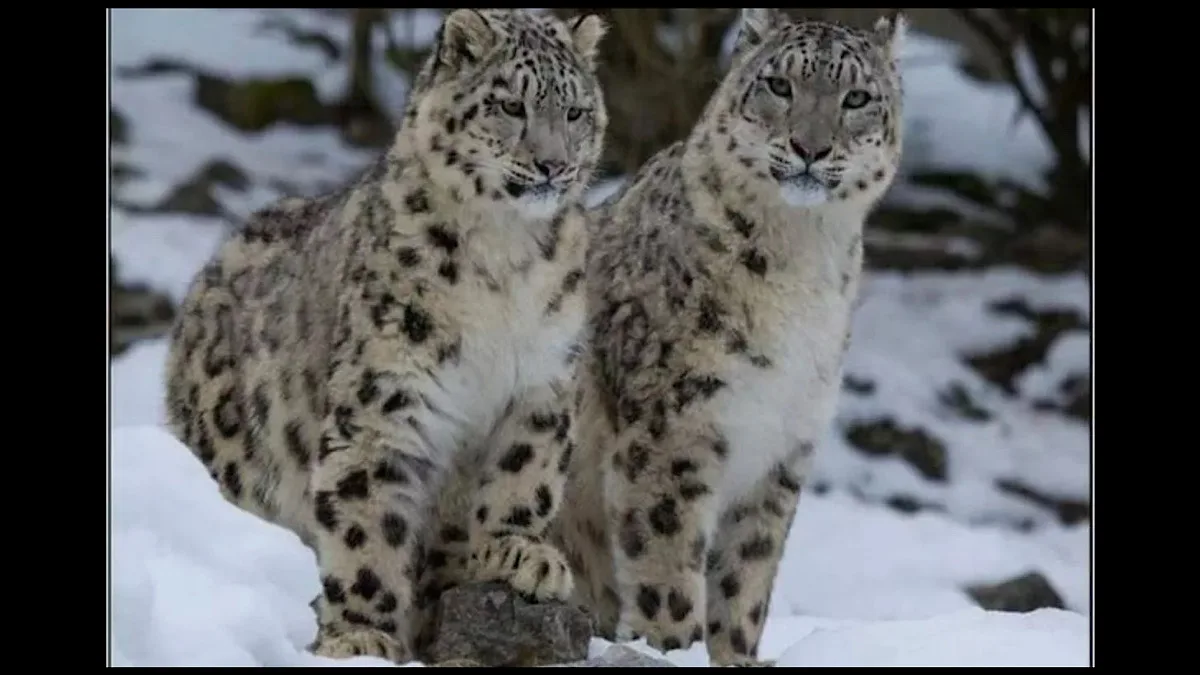
leopard
A consultation meeting on the growing issue of human-leopard conflict in the Terai tea plantations of north Bengal was held yesterday with the participation of tea garden managers affiliated with the Terai branch of the Indian Tea Association (TBITA). The initiative was spearheaded by WWF-India as part of its ongoing efforts to reduce environmental degradation and promote coexistence between humans and wildlife.
WWF-India, originally known as the World Wildlife Fund, formally adopted its current name—the Worldwide Fund for Nature-India in 1987 to reflect a broader conservation mandate. Its West Bengal state office plays a key role in aligning regional environmental efforts with national conservation priorities through diverse, ecosystem-focused initiatives.
Advertisement
The current WWF-India project aims to create safer shared spaces for both people and leopards within the tea plantations of the Terai region. At the consultation, WWF-India Director Dr Sangeeta Mitra and other officials engaged in dialogue with tea garden representatives to understand the trends and challenges on the ground.
Advertisement
Deb Mallick, chairman of TBITA, confirmed that the WWF-India team will soon begin grassroots awareness campaigns among tea workers in the Terai region. “Before launching the campaign, the WWF officials held a preparatory meeting with us,” he said.
The consultation was designed to serve as a collaborative platform for dialogue and knowledge-sharing on several critical aspects, including: Current trends in human-leopard conflict across the Terai region (2015–2024); management practices and preventive measures for reducing human-animal conflict (HAC) in tea estates; Impacts of leopard encounters on tea garden communities and fringe villages; Strategies for multi-stakeholder intervention and long-term mitigation.
“The leopard menace has become a year-round concern for both management and workers across all plantations,” said TBITA secretary Rana Dey. “It’s high time we work towards a practical, long-term solution.”
Interestingly, just days before the meeting, officials from the Kurseong Forest Division discovered the carcass of a female leopard in a Terai tea garden. Post-mortem analysis revealed the animal died due to infighting, not human intervention.
Forest officials note a marked rise in the leopard population in both the Terai and Dooars regions, which has led to an increase in human-leopard conflict. In response, they have advised tea workers to adopt scientific livestock management practices to discourage leopard incursions into human settlements.
Advertisement