Suvendu govt collects Rs 1,000 crore higher revenue in first month of tenure
Sources in the CMO has attributed the increase to plugging institutional leakages in revenue collection rather than imposing any new taxes.
Members of the review committee will be visiting the districts from July 15 and later submit a detailed report to the state Minority Affairs and Madrasah Education department by July 21.




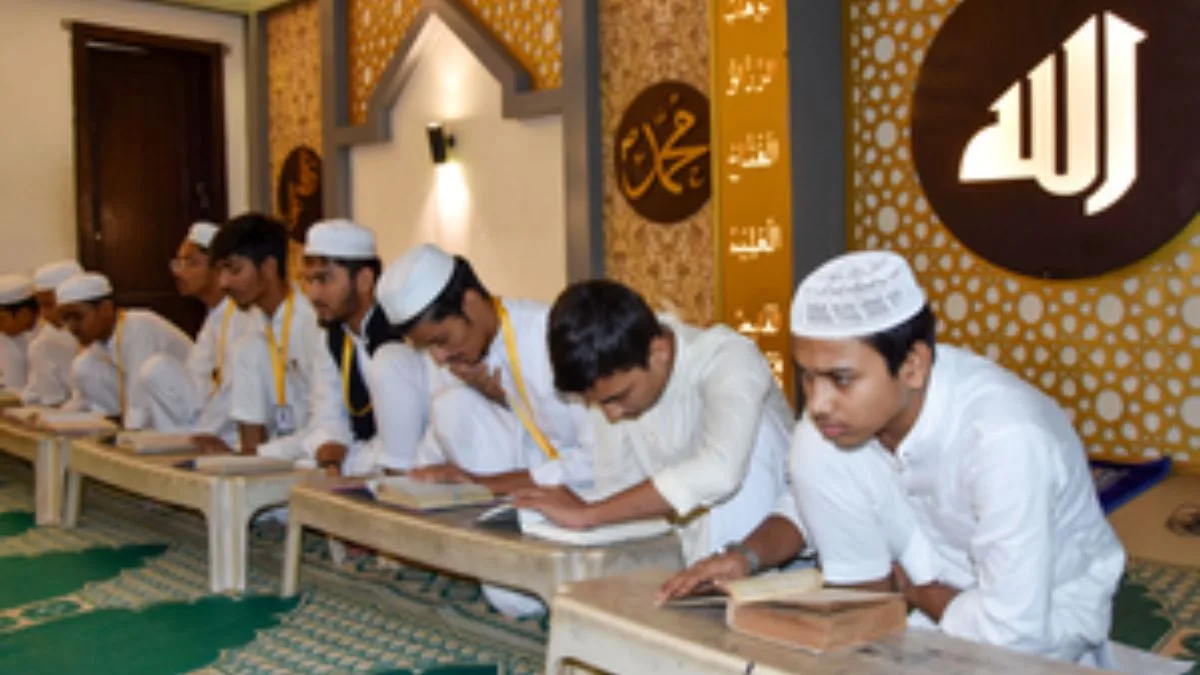
Image: IANS
An 18-member committee has been constituted by West Bengal Minority Affairs and Madrasah Education Department to review the ongoing survey aimed at identifying illegally run unrecognised madrasas, often termed as ‘Khariji Madrasahs’, across 12 districts of the state.
Members of the review committee will be visiting the districts from July 15 and later submit a detailed report to the state Minority Affairs and Madrasah Education department by July 21, IANS reported.
Advertisement
Based on these recommendations, the department is expected to take further action, said official from the state secretariat of Nabanna.
Advertisement
The 12 districts where such review exercises will be conducted include Cooch Behar, North Dinajpur, Malda, Murshidabad, Birbhum, West Midnapore, East Midnapore, Nadia, Hooghly, Howrah, North 24 Parganas and South 24 Parganas.
In the first week of June, the state government issued a notification in this regard, directing the District Magistrates (DMs) to send comprehensive reports on madrasas in their respective districts to the state secretariat of Nabanna by July 5.
With the preliminary report from the DMs already available, sources in the state government told IANS that 12 districts have been identified which need a second round of survey in view of the high number of such unrecognised madrasas.
In the earlier notification, the DMs were told to provide relevant details of the madrasas in their respective districts, such as the day of foundation of the madrasa concerned; whether they are registered with the state Minority Affairs and Madrasah Education Department or not; details of their registration; details of the students studying there and the teaching and non-teaching staff attached to them, whether these madrasas were residential or not and finally on the curriculum offered there.
Advertisement