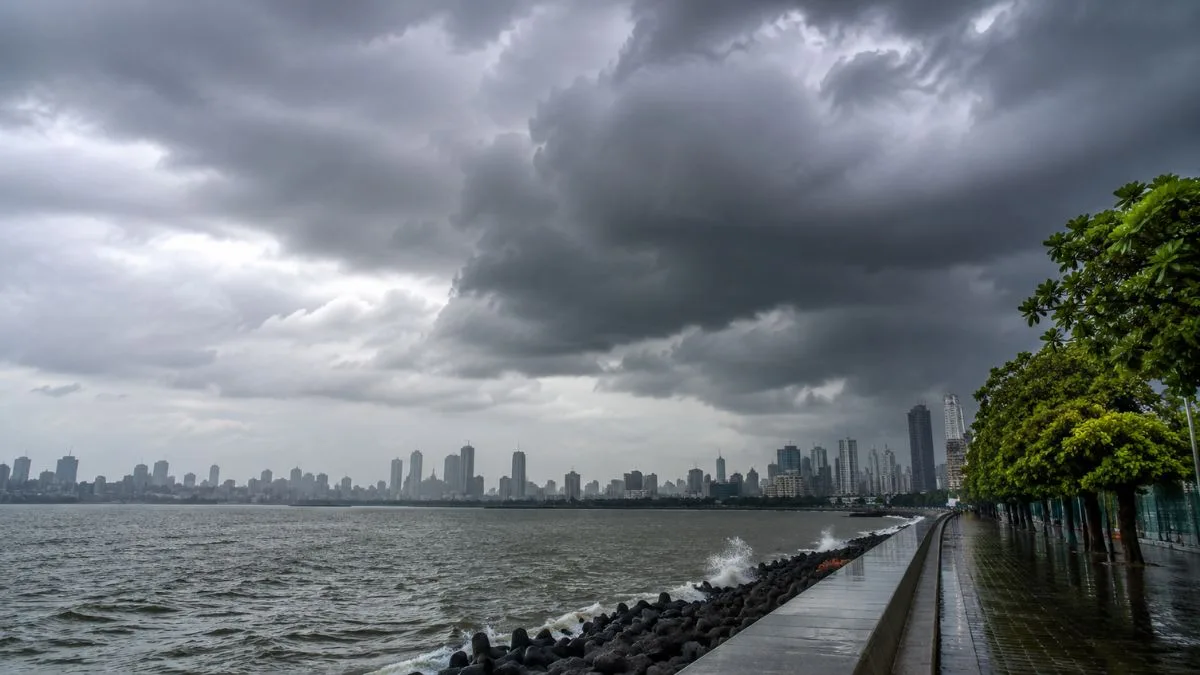
For India, the southwest monsoon is far more than a seasonal we ather phenomenon. It is the lifeline of the economy, sustaining agriculture, replenishing water reservoirs, supporting hydropower generation and influencing inflation, employment and food security. Nearly half of India’s cultivated land remains dependent on rainfall, making the monsoon one of the most closely watched climatic events every year. As meteorologists monitor the emergence of El Niño conditions in 2026, concerns are growing about their potential impact on the country’s monsoon performance.
Fore casts from the India Meteorological Department (IMD) indicate the possibility of below-normal monsoon rainfall in several parts of the country. While El Niño does not automatically lead to drought, its return serves as a reminder of the vulnerabilities that continue to shap e India’s e c onomic and environmental landscape. El Niño is a naturally occurring climate phenomenon characterised by unusually warm sea-surface temperatures in the central and eastern equatorial Pacific Ocean.
Advertisement
Although it originates thousands of kilometres away from India, its influence extends across the globe by altering atmospheric circulation patterns. Under normal conditions, trade winds push warm Pacific waters westward towards Asia and Australia. During an El Niño event, these winds weaken, allowing warm waters to shift eastward. This disrupts global weather systems and often weakens the circulation patterns that support India’s southwest monsoon. Historically, several El Niño years have been associated with below-normal rainfall across India.
The severe droughts of 2002 and 2015, for instance, coincided with strong El Niño conditions. However, the relationship is no t always straightforward. Other climatic factors, including the Indian Ocean Dipole and regional atmospheric conditions, can either amplify or offset El Niño’s influence. Nevertheless, it remains one of the most important indicators of monsoon variability. Agriculture is likely to bear the immediate consequences of a weaker monsoon. Despite significant advances in irrigation infrastructure, large sections of Indian agriculture continue to depend on seasonal rainfall.
Rice, pulses, oilseeds and several other kharif crops require timely and adequate rainfall during the sowing and growth periods. A delayed onset of the monsoon or prolonged dry spells can affect planting schedules, reduce soil moisture and ultimately lower crop yields. Such disruptions not only impact farmers’ incomes but also influence food prices and rural demand across the broader economy. The effects are not limited to staple crops. Horticulture, sugarcane cultivation, cotton production and plantation crops may also face challenges if rainfall deficits persist.
Given agriculture’s continued role as a major source of employment, monsoon variability remains closely linked to rural livelihoods and economic stability. The implications of a weaker monso on extend well b eyond agriculture. India’s water security remains deeply dependent on seasonal rainfall. Reservoirs, rivers, groundwater systems and irrigation networks rely heavily on monsoon replenishment. Below-normal rainfall can reduce reservoir levels, affect drinking water availability and increase pressure on already stressed groundwater resources.
Several regions of the country have experienced recurring water shortages in recent years, highlighting the growing gap between demand and supply. Urban centres are particularly vulnerable. Rapid urbanisation has increased water consumption while reducing natural recharge zones through extensive construction and land-use changes. Consequently, even cities that experience intense rainfall can face water scarcity if seasonal precipitation remains inadequate. Monso on p erformance also influences India’s energy sector.
Hydropower generation depends on sustained river flows and reservoir levels. A deficient monsoon can reduce electricity production, placing greater pressure on thermal power generation and increasing fuel costs. The broader economic consequences can be significant. Lower agricultural output can contribute to food inflation, affecting household budgets and complicating monetary policy decisions. Reduced rural incomes may weaken consumer demand, impacting sectors ranging from consumer goods to services. Although India’s economy is far more diversified than it was decades ago, the monsoon continues to exert a powerful influence on growth, inflation and overall economic sentiment.
One of the common misconceptions about El Niño is that it simply causes drought. The reality is far more complex. Climate change has increased the frequency of extreme weather events, making rainfall patterns more erratic. India may witness an overall reduction in seasonal rainfall while simultaneously experiencing episodes of intense precipitation. Short-duration cloudbursts and extreme rainfall events can trigger floods, landslides and urban inundation even during years of below-normal monsoon performance. This paradox underscores the growing challenge of climate variability. The problem is no longer merely the quantity of rainfall but its distribution across time and geography.
Managing both water scarcity and flooding within the same season is becoming an increasingly common policy challenge. The significance of the 2026 El Niño extends beyond a single monsoon season. Scientists increasingly warn that global warming is amplifying the effe cts of natural climate phenomena. Rising temperatures contribute to more intense heatwaves, shifting rainfall patterns and greater weather extremes. As the atmosphere becomes warmer, traditional assumptions about monsoon behaviour are becoming less reliable.
Events that were once considered rare are occurring with greater frequency, while historical weather patterns are proving less dependable as guides for future planning. This emerging reality requires a fundamental reassessment of how India approaches climate adaptation and risk management. The most important lesson from the developing El Niño is that preparedness matters more than prediction alone. India must continue investing in climate-resilient agriculture, improved weather forecasting systems, water conservation measures and efficient irrigation technologies.
Crop diversification, drought-resistant seed varieties and better reservoir management can reduce vulnerability to rainfall fluctuations. Equally important are investments in flood control, urban drainage systems and disaster preparedness. The monsoon has always shaped India’s economic and social life. Yet in an era of climate uncertainty, resilience can no longer depend solely on the expectation of normal rainfall. El Niño may be a natural phenomenon, but its consequences need not become a national crisis. With informed policymaking, scientific planning and long-term adaptation strategies, India can better navigate the uncertainties of the coming monsoon while preparing for the larger climate challenges of the future.
(The writer is a civil engineer, consultant (invitee) to Rashtriya Raksha University under the Ministry of Home Affairs, and a columnist. He can be reached at siddharth001.roy@gmail.com. The views are personal.)