India Pharma-2026 to be held in Delhi on April 13–14
The event will be inaugurated by Jagat Prakash Nadda, Union Minister of Chemicals and Fertilisers, and Anupriya Patel, Minister of State for Chemicals and Fertilisers.
As the South West Monsoon advances deeper into the Indian subcontinent, Health Minister Jagat Prakash Nadda, on Thursday, directed states and Union Territories to strengthen surveillance, vector-control measures and healthcare preparedness to tackle a possible rise in dengue and malaria cases, according to the Ministry of Health and Family Welfare.




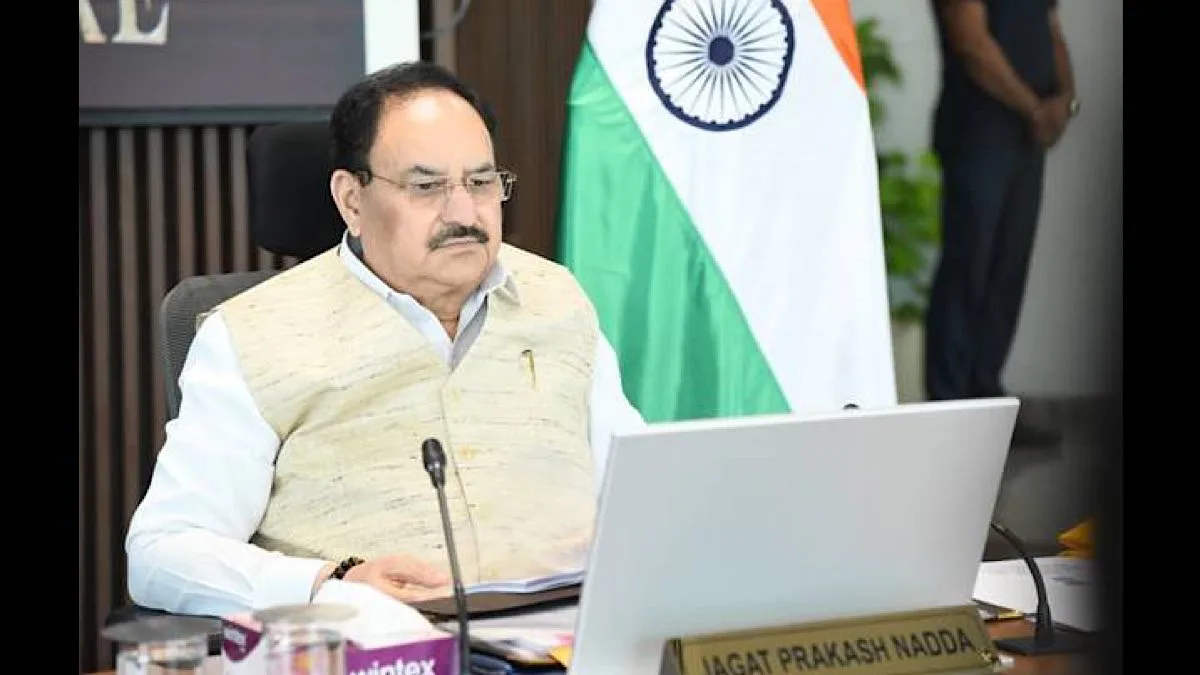
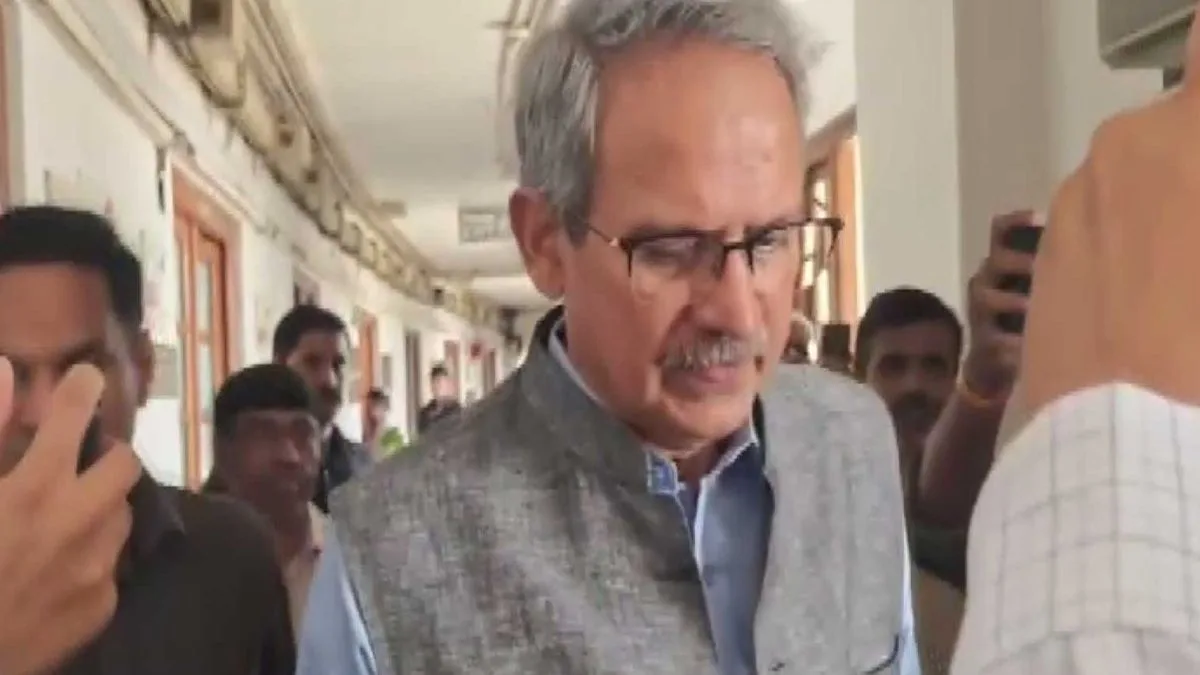
Health Minister Jagat Prakash (photo:PIB)
As the South West Monsoon advances deeper into the Indian subcontinent, Health Minister Jagat Prakash Nadda, on Thursday, directed states and Union Territories to strengthen surveillance, vector-control measures and healthcare preparedness to tackle a possible rise in dengue and malaria cases, according to the Ministry of Health and Family Welfare.
Chairing a high-level review meeting with senior ministry officials, Nadda assessed the country’s preparedness for mosquito-borne diseases during the monsoon and post-monsoon months. The review covered disease surveillance, hospital readiness, availability of medicines and diagnostics, vector-control measures and coordination mechanisms for disease prevention and management.
Advertisement
According to the ministry, Nadda stressed the need for heightened vigilance and early preparedness, saying coordinated efforts by the Centre, states, local administrations and healthcare institutions would be crucial in minimising disease burden and responding to outbreaks.
Advertisement
The minister directed hospitals and healthcare facilities to ensure adequate stocks of medicines, diagnostic kits and blood components, while maintaining sufficient hospital beds and trained healthcare personnel to manage any surge in cases.
He also called for strict adherence to standard treatment protocols for dengue and malaria and asked officials to sensitise healthcare facilities on the latest guidelines for diagnosis and case management.
The ministry said states and Union Territories have been advised to strengthen surveillance systems, improve reporting mechanisms and prepare district-specific response plans, particularly in endemic and high-risk areas. Special emphasis has been placed on hotspot mapping, anti-larval measures, rapid response mechanisms and intensified monitoring during the high-transmission season.
Nadda also called for stronger public awareness campaigns on preventing mosquito breeding, avoiding water stagnation and seeking timely medical care. Resident welfare associations, panchayati raj institutions, schools and community organisations have been urged to participate in preventive efforts, the ministry said.
The ministry noted that India has made significant progress in malaria control over the past decade. According to ministry data, malaria cases and deaths declined by nearly 80% between 2015 and 2025. It also said India exited the World Health Organization’s High Burden to High Impact (HBHI) group in 2024 and that 160 districts reported zero indigenous malaria cases between 2022 and 2025.
Advertisement