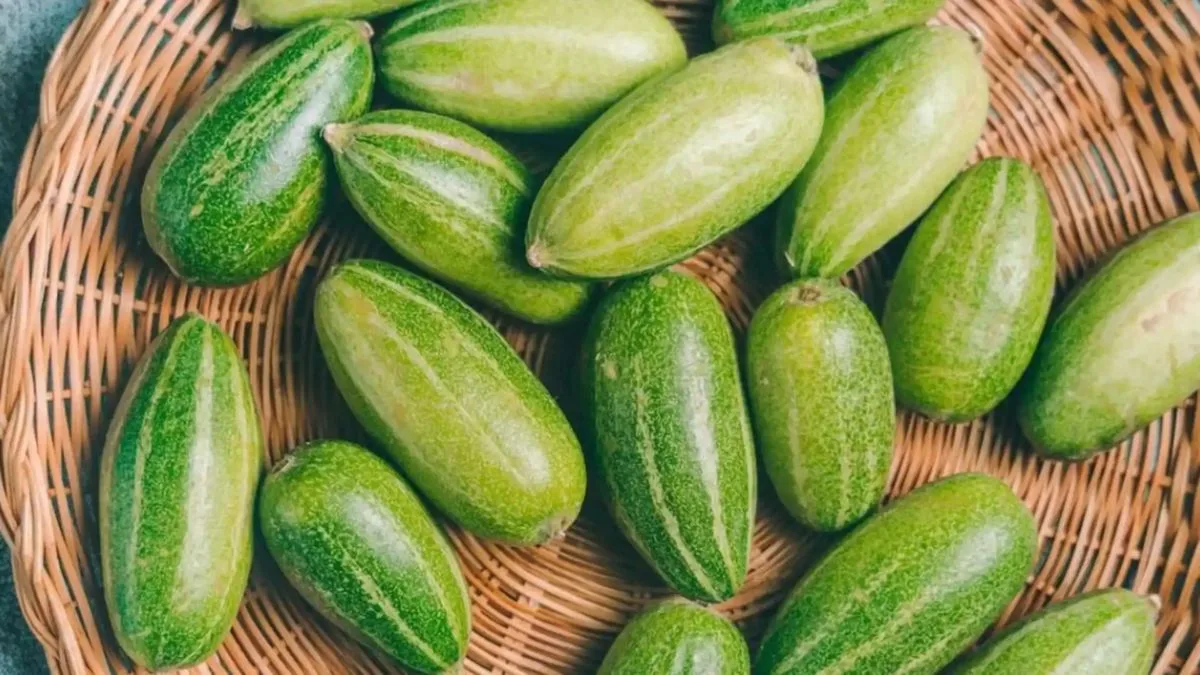
Acharya Balkrishna posted a note on Facebook about parwal, also known as pointed gourd. He explained that this vegetable carries several nutrients important for health. According to his post, parwal strengthens the body’s disease fighting power and reduces stomach swelling. He also pointed to Ayurveda, which credits parwal with healing properties for skin disease, fever, and constipation. He added that people dealing with jaundice should include parwal in their diet too.
This small green vegetable is often overlooked in Indian kitchens. But its presence in Ayurveda, Unani, and Siddha medicine goes back centuries. Here is what research and traditional knowledge say about each of these claims.
Advertisement
Boosting immunity
Parwal is rich in vitamin A and vitamin C. Ayurveda credits this vegetable with the ability to boost immunity, partly due to its high vitamin C content. This makes the body less prone to common infections like cold and flu.
It is also used to treat viral infections and skin diseases, and helps clear worms from the stomach. These properties place parwal among the vegetables Ayurveda recommends for regular, light consumption rather than occasional use.
Reducing stomach swelling and aiding digestion
Parwal carries a good amount of dietary fiber. This fiber supports digestion and helps relieve constipation, with the seeds in particular helping to soften stools.
The fiber content helps regulate bowel movements, making parwal useful for overall gastrointestinal health. A small amount of fresh parwal juice is also said to support digestive fire. This matches Balkrishna’s point about parwal easing stomach swelling. A lighter, better functioning gut often shows up as reduced bloating.
Skin disease, fever and constipation
Ayurveda has long used parwal for these three conditions together. Traditional practice uses pointed gourd for the treatment of skin diseases, fever, and constipation. This is one of the oldest and most repeated uses of the vegetable across Ayurvedic texts.
Ayurveda classifies parwal as a Pitta pacifier, which is why it helps with gastric issues, skin infections, and fever, alongside lowering bad cholesterol. Pitta, in Ayurvedic thought, governs heat and inflammation in the body. A vegetable that pacifies Pitta is generally considered cooling and soothing.
The juice from parwal leaves is also used for conditions like edema, hair loss, and early stage liver enlargement. This shows the plant’s use goes beyond the fruit itself. Leaves carry their own place in traditional remedies.
Parwal and jaundice
Balkrishna’s point about jaundice has strong backing in Ayurvedic literature. Ancient Ayurvedic texts such as Charaka Samhita mention that extracts from pointed gourd leaves and fruit can help relieve jaundice.
Parwal has also been shown to reduce liver inflammation, which is significant because ongoing liver inflammation can lead to more serious conditions like fatty liver disease. A healthier liver generally means better processing of toxins and improved digestion overall.
Parwal is also linked to managing alcoholism and supporting people recovering from liver strain. This adds another layer to its reputation as a liver friendly vegetable.
Other benefits worth knowing
Beyond what Balkrishna mentioned, parwal carries a few more advantages. Its seed extract is used to help lower cholesterol and blood sugar levels. This makes it a useful addition for people managing diabetes or heart health.
The vegetable is also low in calories, which makes it a practical choice for anyone watching their weight while still wanting good nutrition. A 100 gram serving carries roughly 24 calories, along with potassium, magnesium, and phosphorus.