Lauki juice benefits: The ancient detox drink Acharya Balkrishna wants you to try
Acharya Balkrishna says it is time to take it seriously. One glass of fresh bottle gourd juice each morning could be the simplest health decision you make this year.
Your daily roti could be doing a lot more for your health. Acharya Balkrishna says the answer is already in your kitchen. Just add the bran back to your flour and let nature do the rest.




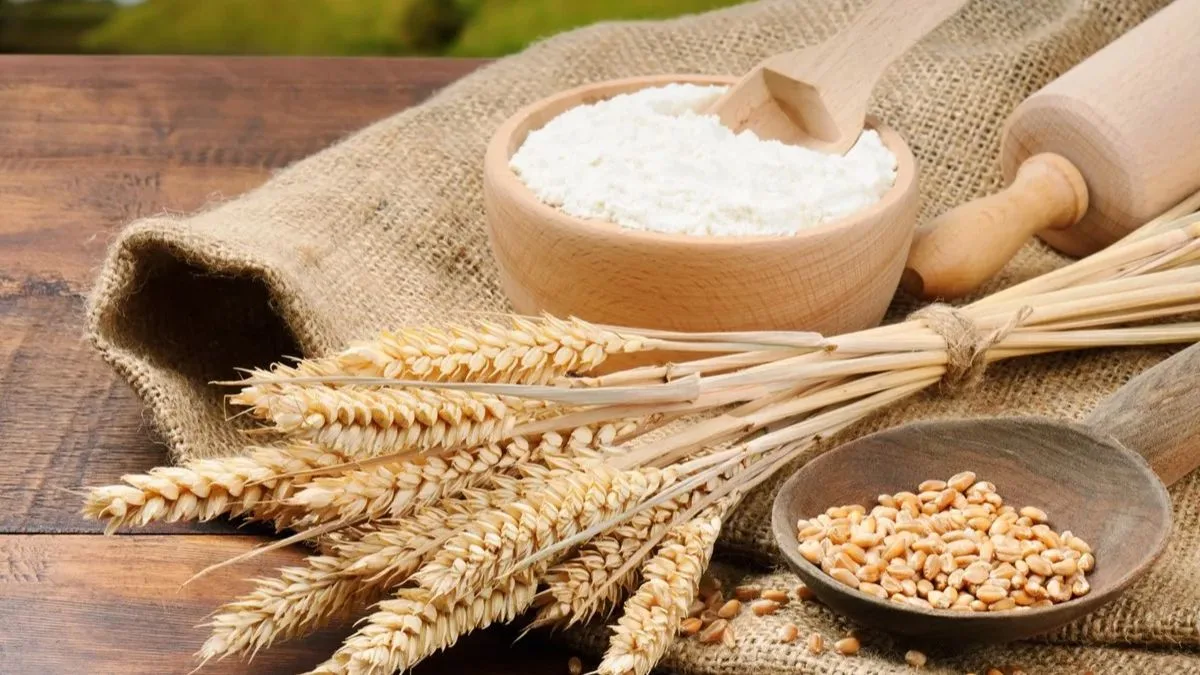
Image Source: Freepik
Walk into any Indian kitchen and you will find a bag of atta on the counter. But chances are, the bran has already been milled out of it. Acharya Balkrishna, co-founder and CEO of Patanjali Ayurved, recently posted a note on Facebook asking people to change this one habit. He said wheat bran is the ideal fibre flour among all grains. It is packed with nutrients and vitamins. And eating roti made from chokaryukt aata can protect the heart, lower cholesterol, keep the intestines healthy, and relieve constipation.
Advertisement
Chokar is the outer layer of the wheat grain. When wheat is milled into flour, this layer is stripped away and sold separately or discarded. The flour that reaches most homes has lost a large portion of its original nutrition. Chokaryukt aata is simply flour that still has the bran in it. That one difference changes the nutritional profile completely.
Advertisement
Per 100 grams, wheat bran provides 25 to 30 grams of dietary fibre. It also contains B vitamins including niacin, thiamin, and vitamin B6, along with minerals like magnesium, iron, and zinc.
In his Facebook post, Balkrishna stated that wheat bran holds an ideal position among all dietary fibres. He pointed out that most people throw away or ignore this part of the grain without realising what they are losing. He said regular consumption of chokaryukt roti can keep the body healthy across multiple areas, from the gut to the heart.
Heart disease is among the leading causes of death in India. Wheat bran has a direct role in reducing that risk. The soluble fibre in wheat bran attaches to cholesterol particles inside the digestive tract. It then carries them out of the body before they enter the bloodstream. This process brings down LDL cholesterol levels over time. Lower LDL means less plaque in the arteries. Less plaque means a lower risk of heart attack and stroke.
Studies and Ayurvedic tradition both point to the same conclusion. Regular bran intake lowers cholesterol and reduces cardiovascular risk.
This is where chokar does its most visible work. The insoluble fibre in wheat bran adds bulk to stool. It speeds up movement through the colon. People who eat chokaryukt roti daily report fewer episodes of constipation and more regular bowel movements.
Clinical research has studied 20 to 25 grams of wheat bran per day for constipation relief. For irritable bowel syndrome, 30 grams per day over 12 weeks has been examined. Acharya Balkrishna’s point about intestinal disease is also backed by research. High fibre diets are linked to a lower risk of colon disorders over the long term.
Chokaryukt aata is also useful for people watching their blood sugar. Fibre slows down how fast carbohydrates break down in the gut. This prevents sudden sugar spikes after meals. For people with diabetes or pre-diabetes, that steady absorption matters.
On weight, the logic is simple. Fibre makes you feel full faster and for longer. People who eat bran-rich rotis tend to eat less through the day without trying.
Wheat bran is not just a fibre story. It also contains potassium, phosphorus, selenium, manganese, zinc, and copper. These support bone strength, immunity, nerve function, and energy metabolism.
The easiest way is to mix wheat bran directly into your regular atta before kneading. Start with a small amount, around one or two tablespoons per batch of dough. Increase gradually over a few weeks. Going too fast can cause bloating in people who are not used to high fibre.
Drink enough water through the day. Fibre absorbs water and needs it to move properly through the gut. Without sufficient fluids, high fibre intake can actually worsen digestive discomfort.
Stone-ground whole wheat flour from traditional chakki mills often retains bran naturally. That is another option for households that prefer not to add bran separately.
A daily amount of 15 to 25 grams is considered appropriate for most adults.
Advertisement