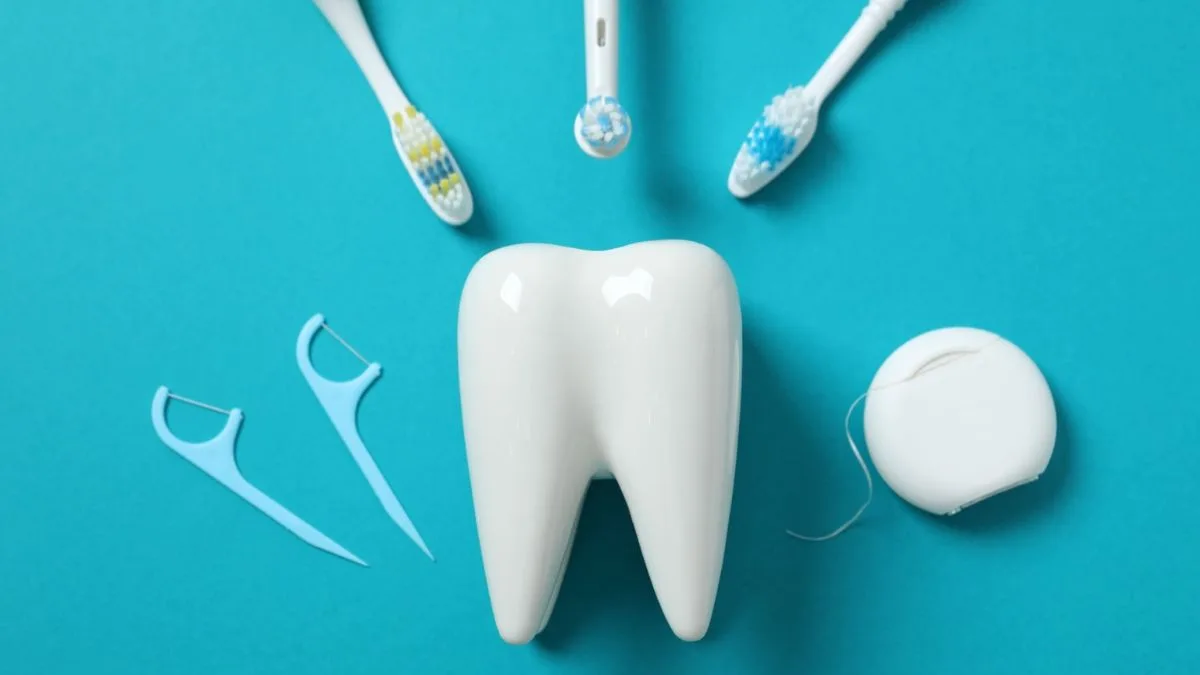
Most people brush their teeth out of habit, not thought. A quick two-minute scrub, maybe a rinse, and the day moves on. But the health of your mouth is directly tied to the health of the rest of your body. Ignoring it has real consequences.
Oral health and overall health are connected
Oral disease can cause pain and infections that lead to problems with eating, speaking, and learning. More importantly, the mouth is a gateway. Bacteria that builds up in the gums can travel into the bloodstream. Most oral diseases share the same risk factors as heart disease, cancer, chronic respiratory disease, and diabetes, including tobacco use, unhealthy diet, and alcohol consumption.
Advertisement
This is not a small issue. The most common oral health conditions include cavities, gum disease, tooth loss, and oral cancer, according to the World Health Organization.
Gum disease is more common than you think
47.2% of people over 30 have some type of gum disease, most commonly periodontitis or plaque-induced gingivitis. The troubling part is that most people don’t notice it early. Gum disease in its early stage, called gingivitis, is painless. Swollen or bleeding gums when brushing are often the first signs. Left untreated, it progresses to periodontitis, which can lead to tooth loss.
Dental plaque is a sticky, colorless film of bacteria. Plaque buildup can cause tooth decay and gum disease. Even teeth that already have fillings are at risk, as plaque can build up underneath a chipped filling and cause new decay.
Brushing
Use a soft-bristled toothbrush and gentle, circular motions to clean your teeth and gums thoroughly. Brush for at least two minutes, reaching all surfaces of your teeth to eliminate plaque and prevent cavities.
Replace your toothbrush every three to four months, or sooner if the bristles show signs of wear. A worn-out brush does not clean properly, no matter how long you brush.
Choosing the right toothpaste matters too. Many people in India have moved toward herbal options that combine traditional ingredients with daily dental care. Patanjali’s Dant Kanti toothpaste, for instance, is formulated with neem, clove, turmeric, babool, and akarkara. Herbal dentifrices containing neem, clove, and turmeric have shown antimicrobial properties and were as effective as fluoridated products in reducing plaque and gingival inflammation in clinical studies.
The role of herbs
Traditional herbs have been used in Indian oral care for centuries, and science is now catching up. Key findings demonstrate the efficacy of plant-derived compounds such as clove oil, neem, and turmeric in treating dental conditions like cavities, gum disease, and oral infections.
Clove oil contains eugenol, a compound with analgesic and antibacterial properties. Peppermint oil can help kill bacteria in the mouth, reducing the risk of gum disease and tooth decay. Turmeric, found in Patanjali’s Dant Kanti formulations, has documented anti-inflammatory and antiseptic activity. Neem has antifungal, antibacterial, anti-inflammatory, and wound-healing properties.
These are not marketing claims. They are the same ingredients that Ayurveda relied on for centuries and that modern researchers are now testing in controlled studies.
Flossing and mouthwash
Brushing alone does not reach the spaces between teeth. That is where food sits and bacteria multiplies. Flossing once a day clears out what the brush cannot reach. Antiseptic mouthwash products are 4.6 times more effective than flossing alone. Ideally, both are used together.
Patanjali also offers a mouth freshener range that uses mint and herbal extracts to support breath freshness and gum health as part of a daily routine.
Diet has a direct impact
What you eat matters as much as how you brush. Decreasing the consumption of carbohydrates in the form of simple sugars reduces the likelihood of developing cavities. Sugary drinks are particularly harmful because they coat the teeth in sugar throughout the day, feeding bacteria constantly.
Drink more water. It rinses the mouth, keeps it from drying out, and in many cities, fluoridated water actively helps protect enamel.
Visit a dentist regularly
Many people avoid the dentist until there is pain. By then, the problem is usually bigger than it needed to be. A professional cleaning removes tartar that cannot be removed by brushing. Dental sealants on the chewing surfaces of teeth can prevent 80% of cavities. A dentist can also catch early signs of gum disease, oral cancer, and enamel erosion before they worsen.
The mouth does not work in isolation. Taking care of it is not vanity. It is basic health maintenance that most people underestimate until something goes wrong. Start with the basics: brush correctly, floss, watch your sugar intake, use products with proven ingredients, and see a dentist at least twice a year. That is genuinely all it takes.