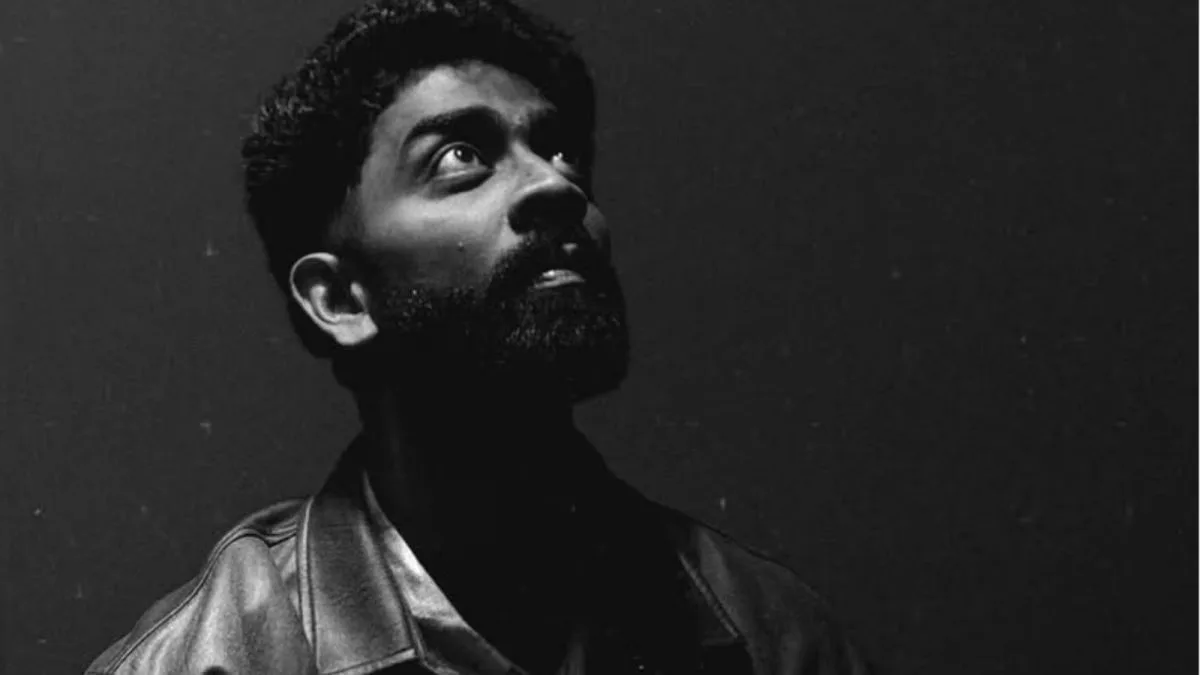
Oiendrilla Das’s promising Bharatanatyam recital shines in Guwahati
My visit to Guwahati to see Oiendrilla Das’s Bharatanatyam recital was a well-made decision. It was a reward to see a good dancer in the making.
Kolkata Centre for Creativity presented Raktakarabi – theatre – cum – dance presentation, in collaboration with Bimbavati Devi, Arnab Bandopadhyay, and Upali Chattopadhyay, to celebrate the 165th birth anniversary of its writer, Rabindranath Tagore.




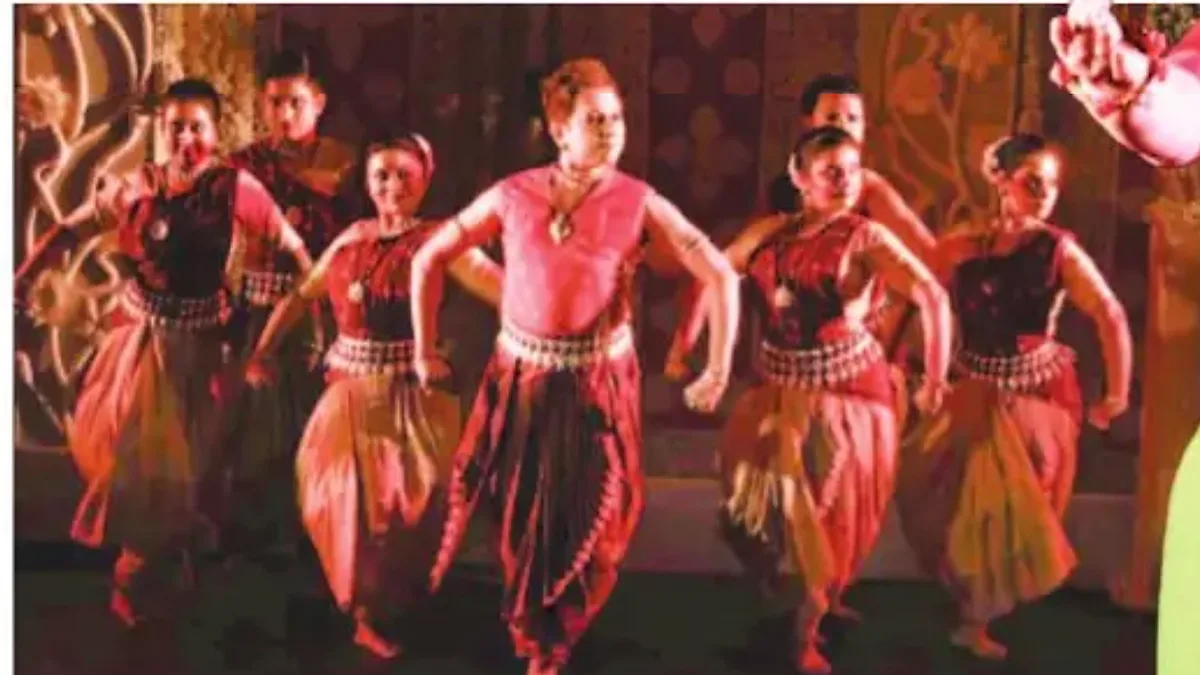
Photo:SNS
Kolkata Centre for Creativity presented Raktakarabi – theatre – cum – dance presentation, in collaboration with Bimbavati Devi, Arnab Bandopadhyay, and Upali Chattopadhyay, to celebrate the 165th birth anniversary of its writer, Rabindranath Tagore. Raktakarabi (Red Oleanders) was penned between 1923 and 1924. A century and two years ago, the drama seemed a passing thought of an imaginative author, its impact little understood.
It was a time before the Second World War, a time when the world had seen less and heard much less about oppression caused by greed facilitated by intense technological advancement Rabindranath Tagore’s Raktakarabi will always remain relevant so long as fascism exists. Rabindranath Tagore conceived the character of the Raja in Raktakarabi to represent unleashed greed. He is impersonal, a symbol of exploitation and, much like a fascist, so much so that in the play human beings are seen as machines and are reduced to mere numbers.
Advertisement
The Raja of the drama is pitted against Nandini , the central character in the play, who is a symbol of love, courage, and freedom. She is fearless; she awakens human qualities in the people trapped in Yakshapuri and leads them towards light, symbolized by Ranjan, who rebels against mechanization only to sacrifice his life to usher in freedom. It is a symbolic play that critiques a polarized society. Rabindranath Tagore’s Raktakarabi, an allegorical protest play, was presented following the tenets of the Natya Śāstra. The drama included dialogue, music, and dance.
Advertisement
The dances were choreographed by Arnab Bandopadhyay and Bimbavati Devi in the Odissi and Manipuri genres. Very imaginatively, the production was infused with a great deal of folk elements, which gave it a richness that was truly jaw�dropping. Rasa was created from the start when the audience was treated to the music of birdsong, soon followed by the clanking of metal chains on the ankles of dehumanized people, a sound that sent a chill through their hearts.
The sights and sounds of Nandini’s entry, accompanied by sweet strains of Manipuri music, lifted the audience’s spirits just as they lifted those of the dehumanized beings. The song “Nai rasa nai,” set in raga Multan and Keharwa taal, established the sthayi mood of despondency. Kishore, a young victim of the system, is willing to risk it all and slips away from the whip of the king’s commander only to give Nandini her favourite Raktakarabi flower. The group dancers in “Ami marer sagar pari debo” “I shall set sail on the ultimate ocean despite high winds in my fear�cracking b oat” take the story forward stylistically.
The scene was followed by an energetic duet in Manipuri and Odissi by Nandini and Ranjan enacted by Bimbavati and Arnab to the musical composition of an Odiya pallavi that awakened the spirit of eternal romance. Nandini’s mockery of the rules of Yakshap uri and her fearlessness in the face of the king’s impatience and wrath are symbols of the triumph of the natural world over the world of machines, where people are mere pawns fulfilling unnatural aspirations in an underground world of confinement. The song “Poush toder dak diyeche” on the other hand, was a beautifully flowing group dance that signified the season of plenty and the joy of collective life.
The imagery of harvest was in stark contrast to that of digging for gold in underground mines. The song is an open call to freedom, to rejoice in the bounty of nature. It evoked peace and harmony and the natural world. It protested through music and dance, upholding agricultural society over industrialization. The compositions “Praner Pare chole gelo ke,” “Tomaye gan shonabo,” “Amar mora Gange ban eseche joy ma bole bhasa tori,” “Chokher jale laglo joar,” and “Bhalobasi bhalobasi” are emotionally symbolic and dramatically sum up the scene, helping events flow toward the freedom symbolized by the very presence of Nandini. The aesthetically composed lyrics help the rasikas savour freedom in the most artistic way possible. In fact, analysis of the songs critiques the play Raktakarabi. The song “Bidhir Bandhon laglo jhokhon” proclaims the unchangeable nature of our destiny, challenging the oppressor. The song “Amar praaner pare chole gelo ke” expresses the loss of a beloved. The lyric “Tomay gaan shonabo” expresses Bishu Pagol’s tenderness for Nandini, who is a foil to the Raja. “Bhalobashi bhalobashi” is a song that affirms love of nature and resonates with human emotion. The song deepens the atmosphere of life, freedom, and inward feeling that Nandini brings into a dehumanized world. The folk song “Ebar tor mara gange ban eseche” is about rowing. It is a dramatic suggestion to move forward together and break all restraints, matching the play’s broader current of liberation. “Rangiye diye jao jao go ebar” urges preparation for a ritual change. “Chokher jale laglo joar” suggests inward emotion becoming an outward force, showcasing Nandini’s world, where feeling is resistance to oppression. These songs make Raktakarabi a lyrical drama of great beauty and force that moves the play from mechanical oppression toward life�aff irming resistance, with Nandini’s presence animated by love, music, and awakening. In the ultimate analysis, the rebelling workers ask to tighten their grip on the chains that bind them with all their might to watch the tyrant crumble to dust. Raktakarabi is the triumph of the human spirit over machines. To merge the strains of Manipuri music seamlessly with Rabindrasangeet was quite a challenge, successfully manoeuvred by the music director. Bimbavati Devi, as Nandini, danced her way into the hearts of rasikas. Her grace and beauty brought the character alive. Arnab Bandopadhyay’s studied freshness and regality as Ranjan was commendable. The vibrant group dances enriched the dramatic presentation of Rabindranath Tagore’s Raktakarabi. Script writing and Raja’s voice�over were by Biswajit Das, while Koushik Ray played the role of the Raja. Associate Vice -Pre sident KC C Priyadarshinee Guha presented Raktakarabi with a short and effective introduction.
(THE WRITER IS A FREELANCE DANCE CRITIC)
Advertisement