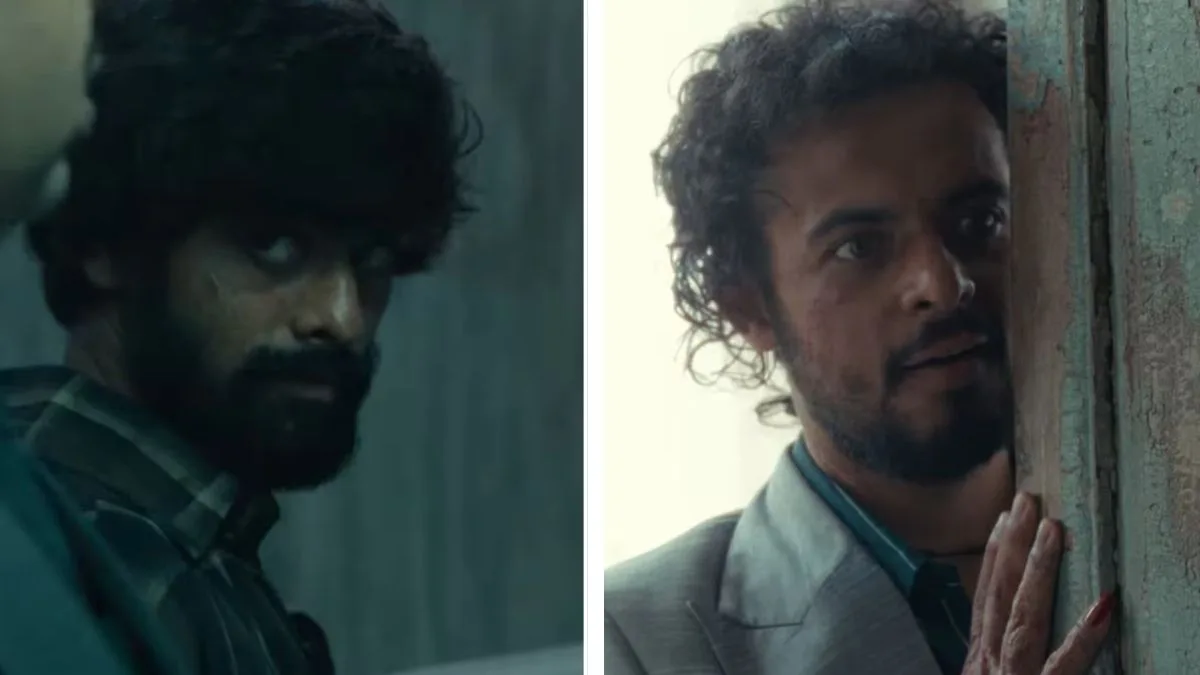
‘Raakh’ is a Prime Video original series that premiered globally on June 12. The series is directed and executive produced by Prosit Roy, and created, written, and co-directed by Anusha Nandakumar and Sandeep Saket, with dialogues by Ayush Trivedi. Ali Fazal plays Sub-Inspector Jayprakash, an investigating officer at the center of the story. Sonali Bendre and Aamir Bashir are the other lead actors.
The show is set in 1970s New Delhi. It follows a sub-inspector in the Delhi Police chasing two notorious killers accused of abducting and murdering the children of a government officer. The series does not claim to be a direct retelling. It is a fictionalised adaptation. The real crime it draws from is the 1978 kidnapping and murder of siblings Geeta and Sanjay Chopra, committed by two men known as Ranga and Billa.
Advertisement
Who were Geeta and Sanjay Chopra?
Geeta Chopra was 16 years old and her younger brother Sanjay Chopra was 14. They were students from a middle-class naval family residing in the Officers’ Enclave at Dhaula Kuan, New Delhi. Geeta was enrolled as a second-year student at Jesus and Mary College, pursuing commerce studies. Sanjay attended Modern School.
Their father, Captain Madan Mohan Chopra, headed the Judge Advocate General’s office in the Indian Navy and had moved the family to Delhi in February 1977 for professional reasons.
On August 26, 1978, the two teenagers, aged 16 and 14, left from their home to participate in an All India Radio program. The plan was simple. They would go to the All India Radio office, participate in the program, their parents would tune into the radio at 8:00 PM to hear them live, and then their father would pick them up at 9:00 PM.
They never reached the AIR office. And, they never came home.
Who were Ranga and Billa?
The two perpetrators were Jasbir Singh, known by the alias Billa, and Kuljeet Singh, known by the alias Ranga.
Billa and Ranga were two petty criminals who had met in Bombay. They decided to travel to Delhi for better opportunities when they found the police closing in on them in Bombay. Both had just been released from Arthur Road prison in Mumbai before they arrived in Delhi.
On the fateful day, Ranga and Billa were driving a Fiat car on the roads of Delhi with a plan to kidnap children, demand ransom, and kill the children if anything went wrong during the operation.
The abduction: August 26, 1978
On August 26, 1978, around 6:15 pm, the siblings departed home to attend the youth program at All India Radio. Their father planned to collect them afterward around 9:00 pm. En route, the children accepted a lift from the two men in a mustard-colored Fiat Padmini car.
The perpetrators enticed Sanjay into their Fiat car near Dhaula Kuan while he was purchasing sweets. Geeta followed after his prolonged absence. They transported the pair to a forested area adjacent to Delhi Cantonment.
Many people were witnesses in this case. They had seen the car and the children in it asking for help, and people also tried to help them out but were unable to do so.
The family grew concerned when the children failed to return or contact them after the broadcast, prompting initial reports to authorities later that evening, though police response was delayed.
The murders
Although the children were kidnapped for ransom, they were killed after the kidnappers learned that their father was a naval officer, on the assumption that he was not wealthy.
Geeta was raped by both men. Sanjay resisted the attackers and grappled with them, prompting Ranga to stab him with a sharp weapon from the car’s boot. The boy sustained multiple knife wounds in the ensuing struggle. Both siblings were killed that night. The bodies were abandoned in grassy patches along the Upper Ridge Road near Buddha Jayanti Park.
The bodies were discovered on August 28, 1978, approximately two days after the abduction.
Public iutrage
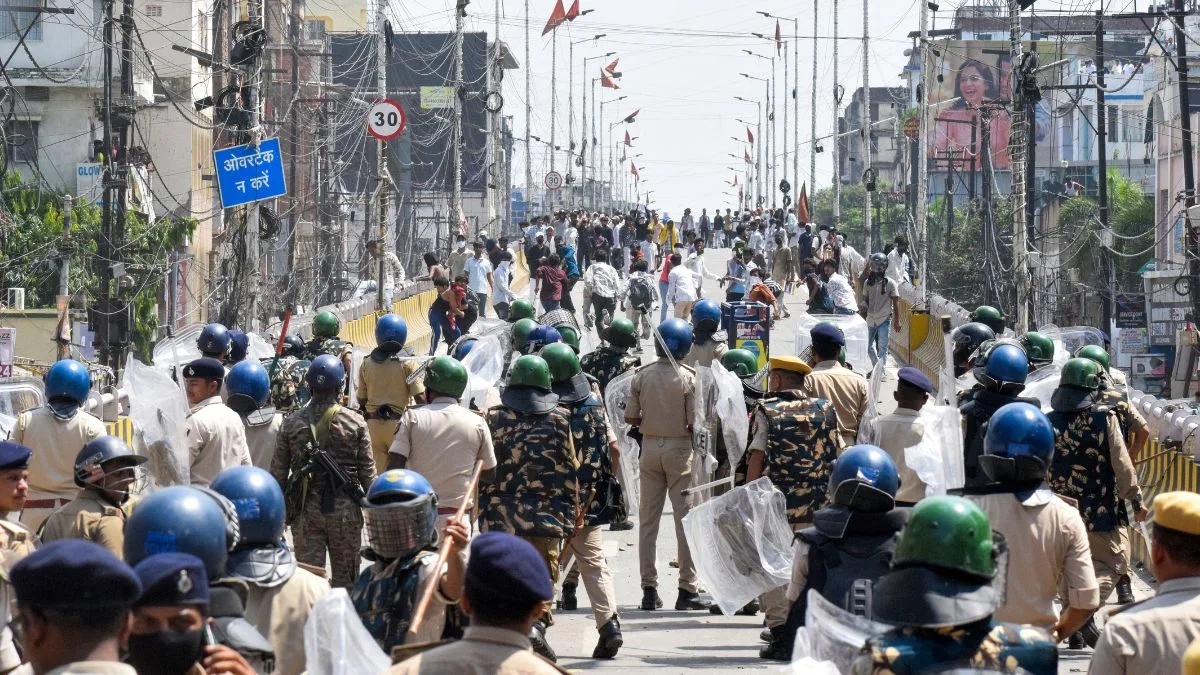
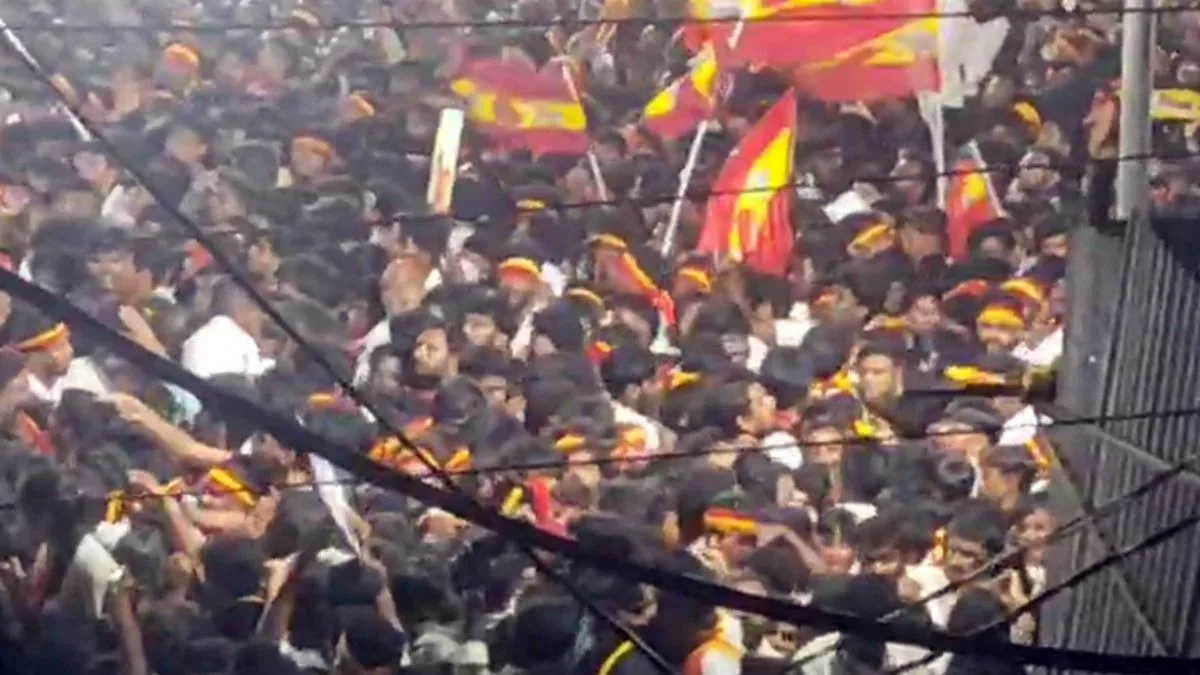
The gruesome killings sparked massive student protests. The case received nationwide media coverage for weeks. Parliament discussed public safety in the capital. Delhi residents stopped going at public spaces. The fear was widespread.
Arrest
On September 8, 1978, Lance Naik A.V. Shetty spotted Ranga and Billa on the Kalka Mail train near the Yamuna river bridge. They had entered a railway carriage filled with soldiers when the train slowed down near the Yamuna Bridge. The soldiers detained them and handed them over to the police upon reaching Delhi Junction.
After being caught, the suspects were taken to Inspector V.P. Gupta at New Delhi railway station. A search found a kirpan and bloodstains on their clothes. Forensic evidence including fingerprints and hair samples was collected to prove their involvement.
Trial and conviction
Their trial started in 1979, but they maintained their innocence. Ranga and Billa never denied their role in the kidnapping of Geeta and Sanjay Chopra. But they blamed each other for the killings and the rape of Geeta.
Both men initially admitted to raping Geeta before her murder. They later retracted their statements and forensic evidence could not confirm the rape.
The charges they were convicted on included murder, common intention, kidnapping, kidnapping with unlawful confinement, kidnapping a woman with intention of sexual intercourse, and kidnapping with intention to cause hurt.
The Additional Sessions Judge imposed death sentences, which were affirmed by the Delhi High Court and the Supreme Court of India. The Supreme Court’s language in the judgment was direct. It called the two men a menace to social order and security, and stated that professional murderers deserved no sympathy.
Execution
For the hanging, Tihar hangmen Fakira and Kalu were summoned from Faridkot and Meerut jails. Before the hanging, they were offered tea and asked whether they would like to leave their wills, but they declined.
Early that morning of January 31, 1982, the noose was put around Ranga and Billa’s necks and their faces were covered. Billa was sobbing and crying. Ranga shouted “Jo Bole So Nihaal, Sat Sri Akal!” until the end.
Both convicts were hanged at Tihar Jail, New Delhi on January 31, 1982.
The legacy
The victims were posthumously awarded the Kirti Chakra. The Sanjay Chopra Award and the Geeta Chopra Award were instituted for bravery by children under the age of 16. Both awards are given annually along with the National Bravery Award.
The Ranga-Billa case has since been referenced in multiple legal proceedings in India as a benchmark for the rarest of rare doctrine in capital punishment cases. It has now been adapted for screen twice, first in the Netflix series Black Warrant, and now in ‘Raakh’ on Prime Video.