CM Yogi gives children the message of self-discipline and hard work through Japan’s example
Uttar Pradesh Chief Minister Yogi Adityanath gave students the mantra of self-discipline and hard work by citing the example of Japan.
A failed quarantine inspection mid-season has left exporters scrambling, premium varieties stranded, and a hard question hanging in the air: is this really about fruit flies, or something else entirely?




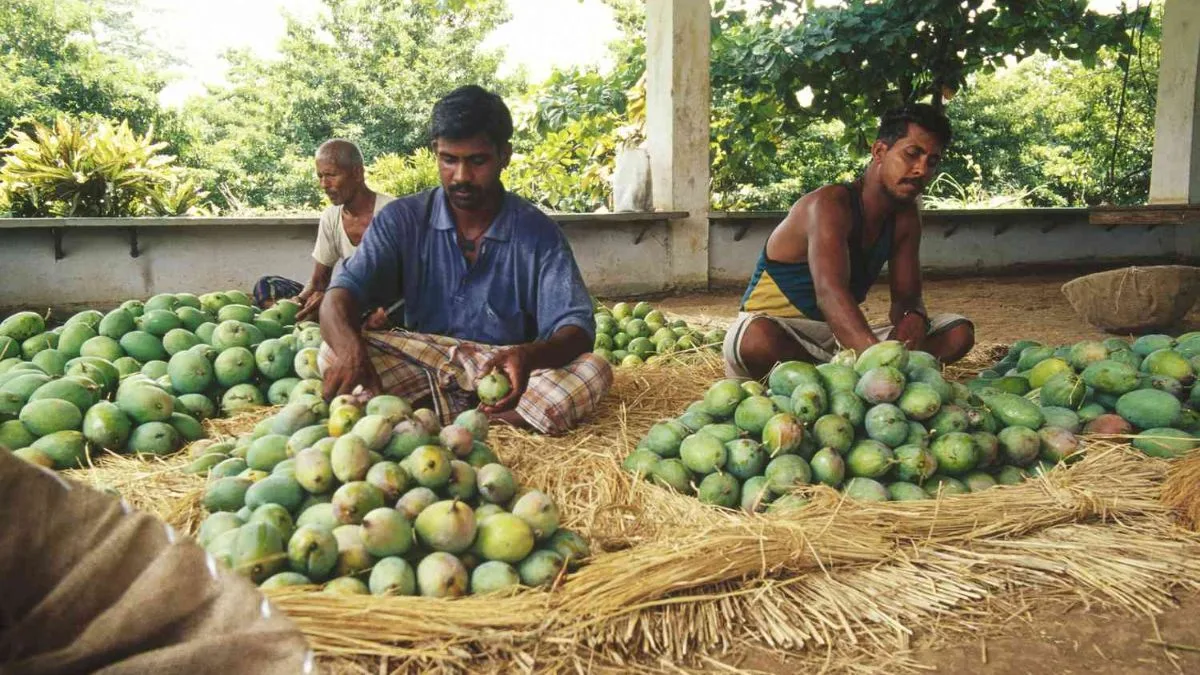
Image Source: Instagram
India is the world’s largest mango producer. The country produced an estimated 228 lakh metric tonnes of the fruit in 2024-25, with states like Uttar Pradesh, Gujarat, Andhra Pradesh, Maharashtra and Karnataka leading output. Every summer, a portion of that harvest travels to some of the world’s most demanding markets. Japan has been one of them since 2006. That came to a halt this season, and the fallout is being felt across the export industry.
This is not the first time Japan has shut its doors to Indian mangoes. In 1986, Japan banned Indian mango imports over reported fruit fly infestations, a restriction that stayed in place for 20 years before being lifted in 2006.
Advertisement
The resumption of trade was not automatic. India had to overhaul its export infrastructure, introduce Vapour Heat Treatment facilities, and strengthen pest surveillance to meet Japan’s standards.
Advertisement
Under the revised agreement, only six Indian mango varieties were approved for export to Japan: Alphonso, Kesar, Banganapalli, Langra, Chausa and Malika, and only from designated facilities across Andhra Pradesh, Maharashtra, Gujarat, Uttar Pradesh and West Bengal.
The arrangement held for nearly two decades. Now it has broken down again.
Before every export season, Japan sends quarantine experts to inspect India’s Vapour Heat Treatment facilities, where mangoes are disinfected before shipment. VHT is a non-chemical treatment process in which mangoes are exposed to carefully controlled hot and humid air to eliminate pests and fruit fly larvae. The process is mandatory under export agreements between the two countries.
This year’s inspection took place in March at a VHT facility in Rehmanpur, Uttar Pradesh. Japanese inspectors identified deficiencies related to fumigation and disinfection procedures during that visit. Neither Indian nor Japanese authorities have publicly disclosed the exact technical shortcomings found at the facility.
The response from Japan was swift. The Yokohama Plant Protection Association announced that Indian mango shipments carrying inspection certificates issued after March 25, 2026, would no longer be accepted. Imports are to remain suspended until Japan is satisfied that standards have been fully restored.
Officials are particularly careful about fruit flies, which can cause extensive damage to crops and threaten domestic food production. Even minor lapses in treatment protocols can trigger immediate import restrictions under Japan’s zero-tolerance policy.
Japan is not India’s largest mango buyer. India exported 22,963 tonnes of mangoes worth $48.53 million in 2022-23. The volume going to Japan is a small slice of that total. In first two quarters of 2024, India exported 43.08 metric tonnes of mangoes to Japan.
Last year, India exported mangoes worth nearly $2 million to Japan, with Kesar mangoes from Gujarat making up a significant share of the shipments. By comparison, the UAE is India’s largest importer of mangoes by volume, followed by the United Kingdom, Nepal and the USA.
So the financial loss from the Japan suspension, while real, is not catastrophic in terms of raw volume. The bigger concern is what it signals.
Japan’s value to Indian mango exporters is less about quantity and more about reputation. Japanese market is strict for quality benchmarks and its consumers’ willingness to pay high prices for produce that meets those standards. Being cleared for export to Japan is mark of quality that opens doors in other premium markets.
Japan accounts for relatively small share of India’s overall mango exports. But it is a premium, high-value market due to quality standards and higher price points.
Losing access to it, even temporarily, sends uncomfortable message to buyers elsewhere about India’s quality-control systems.
Exporters fear the suspension could raise wider concerns over India’s quality-control mechanisms and compliance with international export standards. India exports mangoes to over 150 countries, so a dent in its credibility at this level is not a small matter.
Not everyone in the industry is accepting the official explanation at face value. Some exporters believe the issue goes beyond technical compliance.
Japan isn’t among the most important mango buyers, but exporters are unhappy and have claimed that Japan wants to have a monopoly over quality-control procedures. An exporter from Uttar Pradesh described the process as involving “monopoly and diplomacy” as much as quarantine rules, suggesting that tighter Japanese control over treatment systems may be a trade strategy dressed up as a safety concern.
The suspension comes at a difficult time. Mango growers are already dealing with softening prices in the domestic market, and exporters had been counting on international demand to offset those pressures.
Exports to Japan, the European Union, New Zealand, South Korea and Mauritius all require VHT to meet import requirements. This means the VHT system is not just a Japan-specific concern. Any further scrutiny of India’s treatment facilities could have ripple effects across multiple export corridors.
As a result of the Japan ban, mango consignments from Andhra Pradesh and other parts of India could not be exported this season despite the state exporting to over 30 countries worldwide.
Advertisement