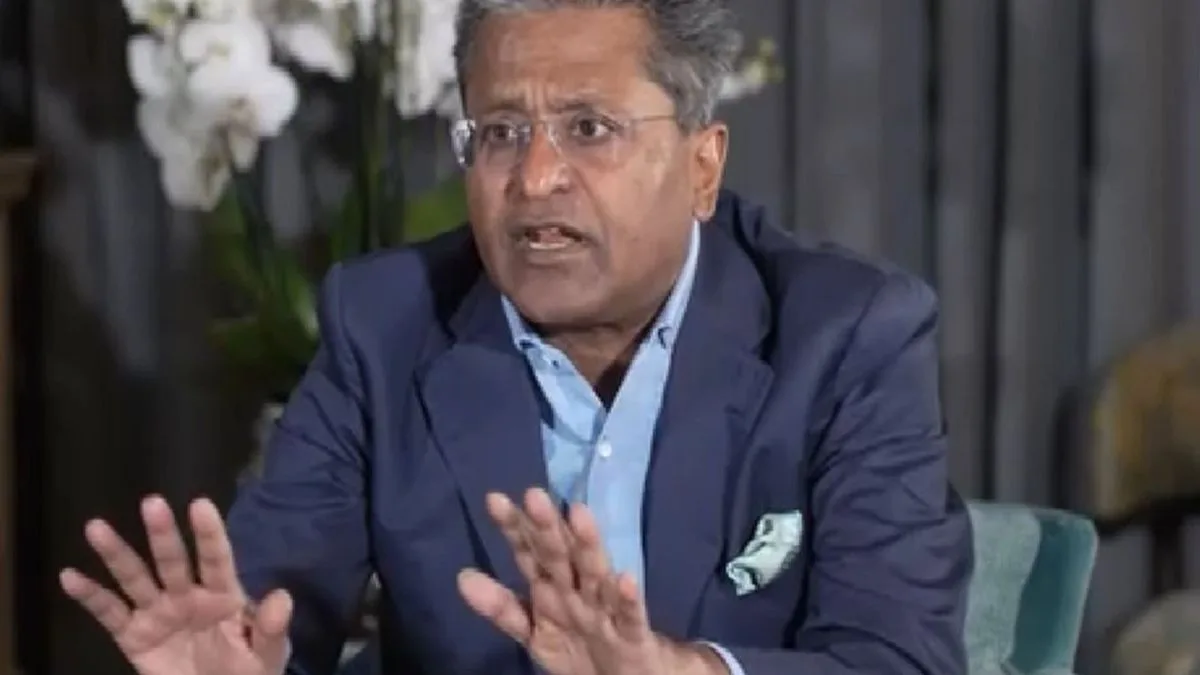
Tamil Nadu swearing-in ceremony: Political row over Vande Mataram before Tamil anthem
In total, 21 TVK MLAs along with two Congress legislators were inducted into the C Joseph Vijay-led Cabinet.
Udhayanidhi Stalin recalled that he and Chief Minister C Joseph Vijay used to study at the same college.





Image: IANS
Udhayanidhi Stalin, Leader of Opposition and DMK leader, on Tuesday, May 12, sparked major outrage in the Tamil Nadu Assembly as he revived his anti-Sanatan pitch.
“Sanathanam, which seperated people, should be eradicated,” he said.
Advertisement
Stalin further stated that newly-elected Tamil Nadu Chief Minister C. Joseph Vijay received wishes from MK Stalin yesterday, adding that this “political civility should continue in this House”.
Advertisement
“Even if we sit in different rows as ruling government and opposition, we all should work together for develoment of Tamil Nadu… The Opposition parties have expressed concerns after the Tamil Nadu state song was played after Vande Mataram. But at the West Bengal CM oath-taking ceremony, Vande Mataram was not played. But here it was played. You all know who is the Governor there. The government should not allow this to happen again. Our Tamil Nadu state song should never pushed to the second spot,” Udhayanidhi Stalin said.
Chennai | Speaking in the Assembly, Leader of Opposition & DMK leader, Udhayanidhi Stalin says, "Yesterday, the CM received wishes from our leader and many other leaders. This political civility should continue in this House also. Even if we sit in different rows as ruling… pic.twitter.com/fUQr3mPLg2
— ANI (@ANI) May 12, 2026
He further recalled that he and Vijay used to study at the same college.
“We would like to share our experience and knowledge. The CM should also accept our suggestions,” he said.
Meanwhile, the Chief Minister invoked the history of the British parliamentary system, stressing the importance of democratic traditions as he addressed the Assembly after TVK MLA JCD Prabhakar got elected unopposed as the Speaker of the Tamil Nadu Legislative Assembly.
While speaking in the House, Vijay recalled how Speakers in England during the monarchy era played a crucial role in communicating Parliament’s decisions to the King, often at great personal risk, IANS reported.
“The Speaker had the responsibility of informing the King whenever Parliament rejected his proposals. In those days, kings even had the power to order executions, and Speakers sometimes faced severe punishment for conveying Parliament’s stand,” Vijay said.
Advertisement