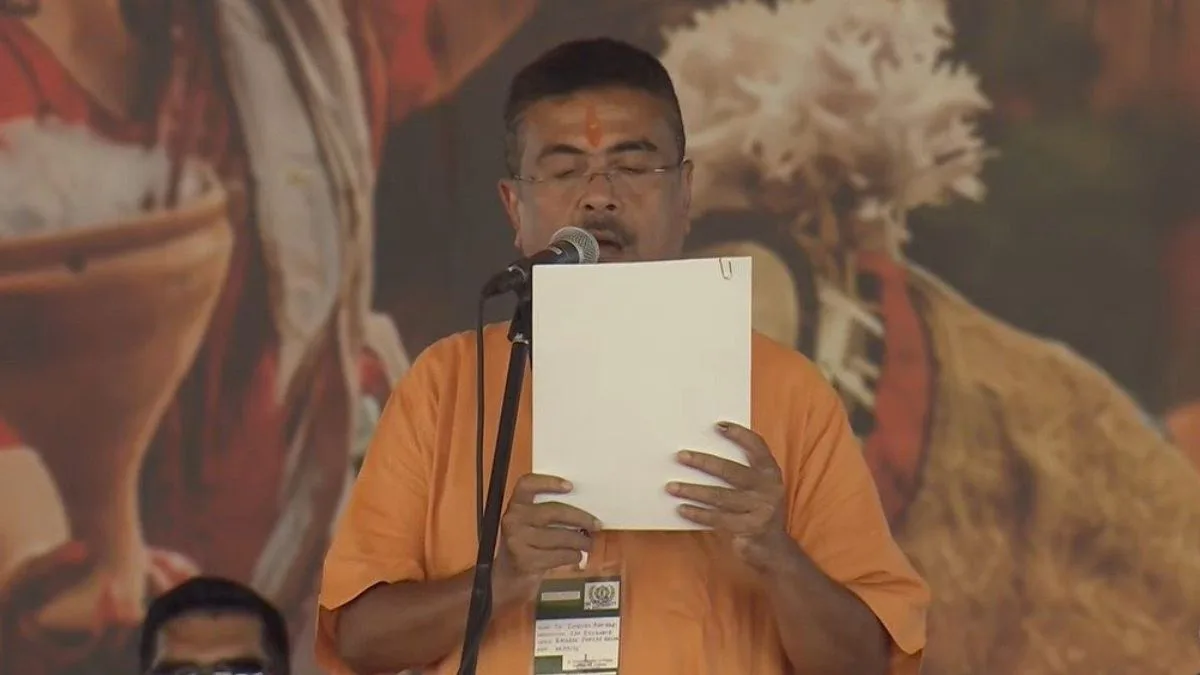
Suvendu Adhikari’s rise to the chief minister’s chair marks more than the fall of a 15-year government. It signals the collapse of an entire political grammar that had defined West Bengal since the Singur-Nandigram upheavals first brought Mamata Banerjee to power in 2011. The irony is stark. The same Nandigram movement that destroyed the Left Front and elevated Ms Banerjee also created the political figure who would eventually end her dominance. Mr Adhikari was not an outsider storming Bengal’s gates from Delhi. He emerged from the inner machinery of the Trinamool Congress itself.
He understood its district networks, its methods of mobilisation, its emotional vocabulary, and its dependence on local strongmen. The BJP’s Bengal victory therefore cannot be explained merely as a national wave imposed upon a resistant state. It was also an insider-led dismantling of the Trinamool system from within. That distinction matters because it changes the future of Bengal politics. For years, Bengal’s political culture rested on a regional identity framework.
Advertisement
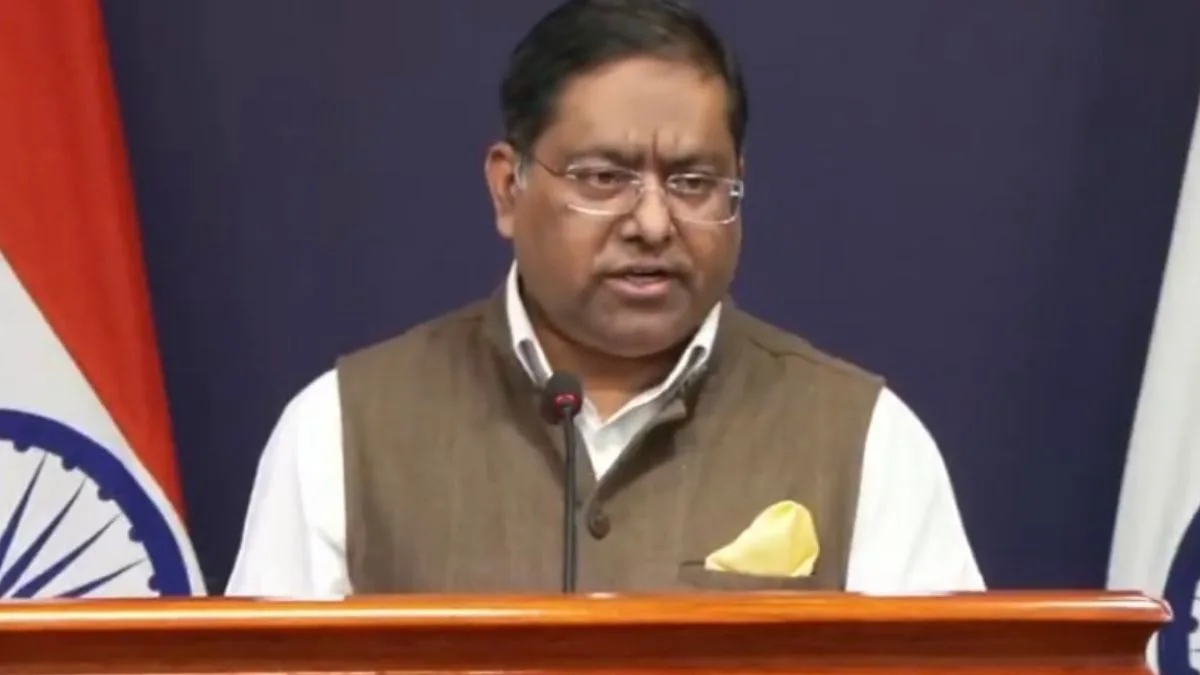
Even when fiercely confrontational, Ms Mamata Banerjee projected herself as the defender of Bengali political autonomy against Delhi-centric power. The BJP has now replaced that framework with something fundamentally different: a politics rooted in border security, demographic anxieties, citizenship debates, and national integration. Union Home Minister Amit Shah’s remarks describing the Bengal outcome as linked to “national security” were not rhetorical excess. They revealed how the BJP now sees the state – not merely as another electoral prize, but as the eastern frontier of a larger ideological project. This shift will have consequences beyond party politics. Questions involving Bangladesh, illegal migration, border management, religious polarisation, and voter identity are likely to dominate governance in ways Bengal has not experienced before. The state may increasingly resemble Assam’s political trajectory rather than its own traditional culture of linguistic regionalism and ideological contestation.
Mr Adhikari’s political style reinforces that possibility. The BJP had other options. It could have chosen a softer administrative face to reassure minorities and the urban middle class after a bitter campaign. Instead, it selected its most combative Bengal leader ~ a politician whose appeal rests on confrontation, organisational aggression, and direct street-level mobilisation. That decision suggests the party believes Bengal remains a battleground requiring political hard power rather than consensual governance. Yet victory brings risks that opposition politics never does.
Campaigns thrive on anger and polarization, but governments are judged on administration, employment, law and order, and economic delivery. Bengal’s finances remain fragile. Industrial revival has stalled for years. Political violence has exhausted public patience across party lines. The BJP now inherits the same state machinery it spent years condemning. The real challenge before Mr Adhikari is therefore not defeating Ms Mamata Banerjee. He has already done that politically. His challenge is whether he can transform Bengal from a permanently mobilised political battlefield into a governable state. If he fails, the victory that looks epochal today may eventually resemble merely another transfer of Bengal’s culture of confrontation from one party to another.