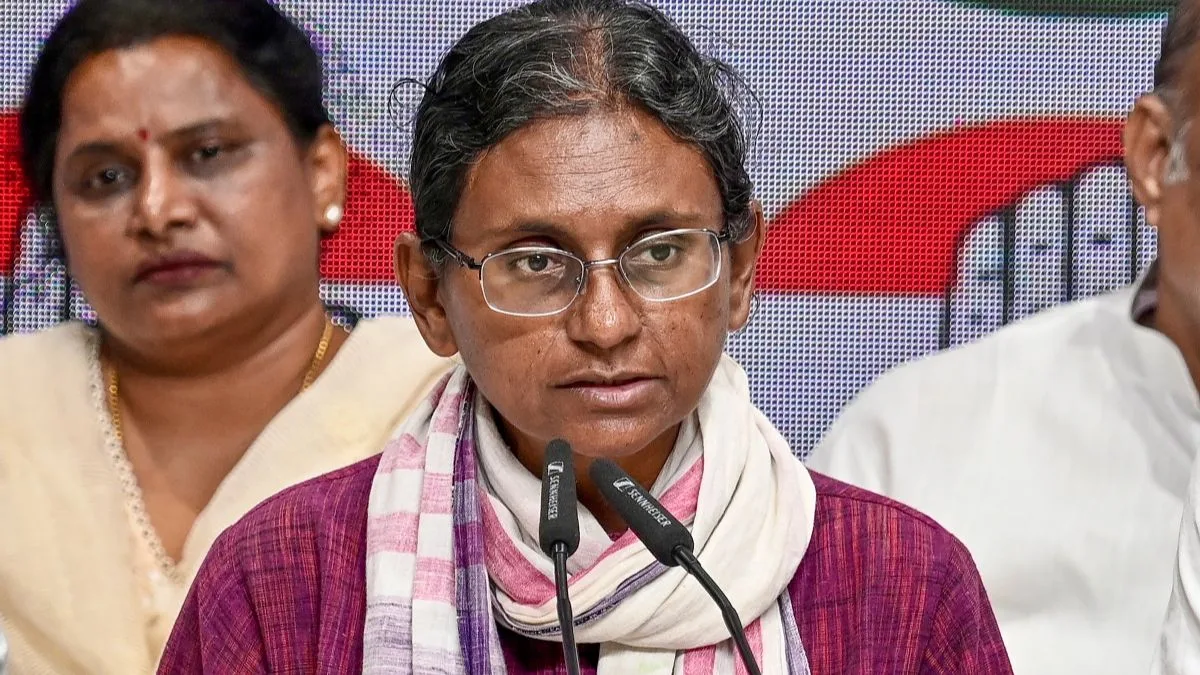
‘Never evaded any probe’: Abhishek Banerjee on CID summons
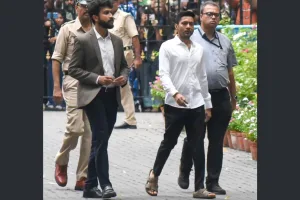
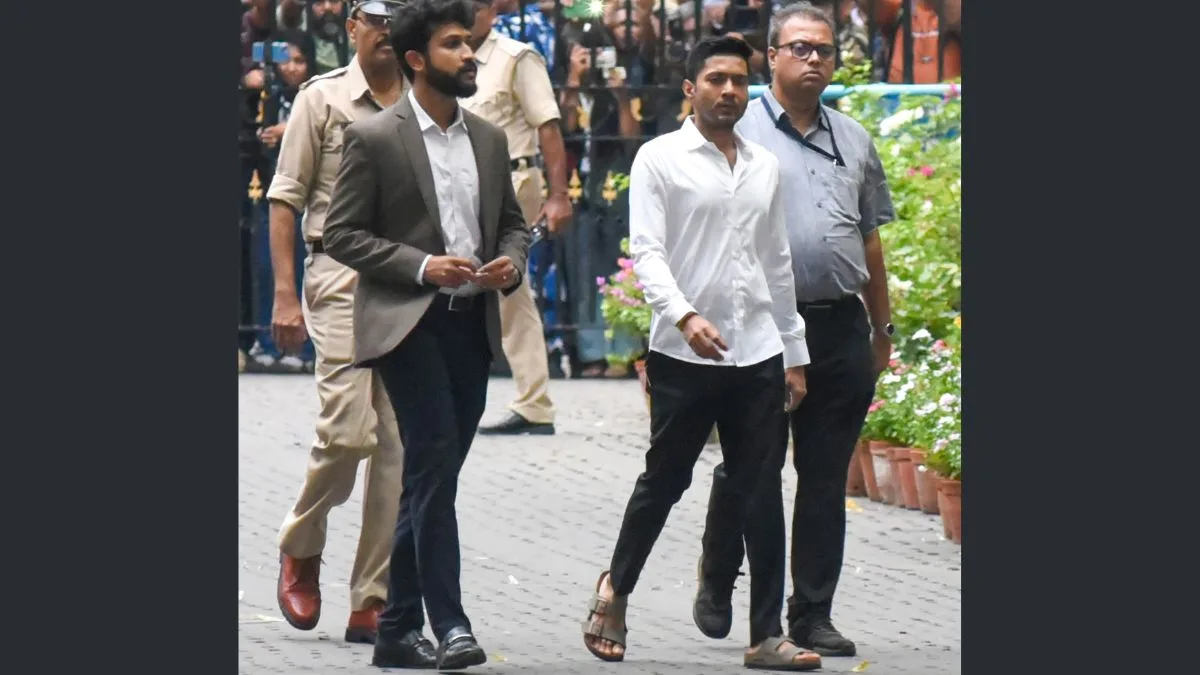
On Friday, a team of CID officials reached Abhishek Banerjee's residence at Kalighat Road in South Kolkata.
The ballots may have been cast, but in parts of North Bengal, the real drama unfolded after polling ended ~ on dark village roads, outside strong rooms, and under the unblinking gaze of mobile phone cameras.




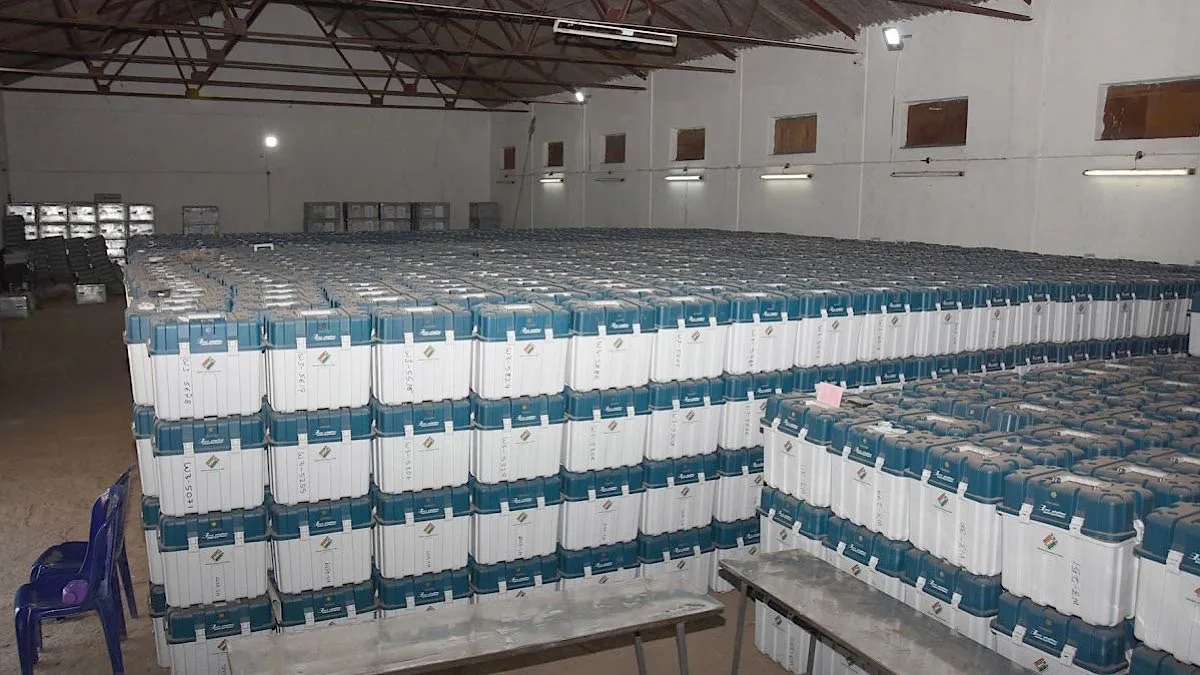
Electronic Voting Machines (EVMs). (File Photo: IANS)
The ballots may have been cast, but in parts of North Bengal, the real drama unfolded after polling ended ~ on dark village roads, outside strong rooms, and under the unblinking gaze of mobile phone cameras.
Across districts like Malda and Alipurduar, an unusual trend emerged following the first phase of polling on 23 April. Groups of alert, anxious, villagers and political workers turning into self-appointed watchdogs, tracking every movement of vehicles carrying Electronic Voting Machines (EVMs), often halting them mid-route over fears of tampering.
Advertisement
One such striking episode played out in Malda’s Habibpur constituency, where tension gripped Gholadanga village under Bamongola block late Thursday night. As officials transported EVMs from Booth No. 29, locals blocked the road, alleging that the vehicle was carrying “extra” machines, raising suspicions of possible replacement.
Advertisement
What followed was a scene that blended protest with theatre ~ villagers shouting slogans, recording videos with running commentary, and demanding answers under torchlight. The situation escalated enough to draw Central forces to the spot, while BJP candidate Joel Murmu and local party leaders rushed in, echoing the villagers’ concerns.
Eventually, two additional EVMs ~ later clarified by officials as “reserve machines” meant for contingencies ~ were shown publicly. The presiding officer dismissed allegations of foul play, stating that such backup units are standard protocol in case of malfunction. But by then, suspicion had already gone viral.
A similar script unfolded in Alipurduar, where BJP leaders intercepted a vehicle entering a strong room premises through what they described as a “rear gate” of an educational institution. Claiming the presence of unidentified individuals who allegedly fled upon confrontation, the leaders demanded a thorough explanation, further fuelling speculation.
What makes these incidents stand out is not just the allegation, but the method. Armed with smartphones, locals documented each moment, layering it with personal commentary before uploading clips on social media. Within hours, narratives of “EVM swapping” began circulating widely, often without verification, putting election officials on the defensive.
For the administration, the night turned into a delicate balancing act ~ transporting sensitive equipment while simultaneously calming a charged and mistrustful public. Officials were seen engaging with villagers till well past midnight, explaining procedures and attempting to dispel rumours.
While the Election Commission of India has repeatedly maintained that EVMs are secure and tamper-proof, these incidents underline a growing trust deficit on the ground ~ where perception, amplified by digital platforms, can sometimes overshadow protocol.
Advertisement