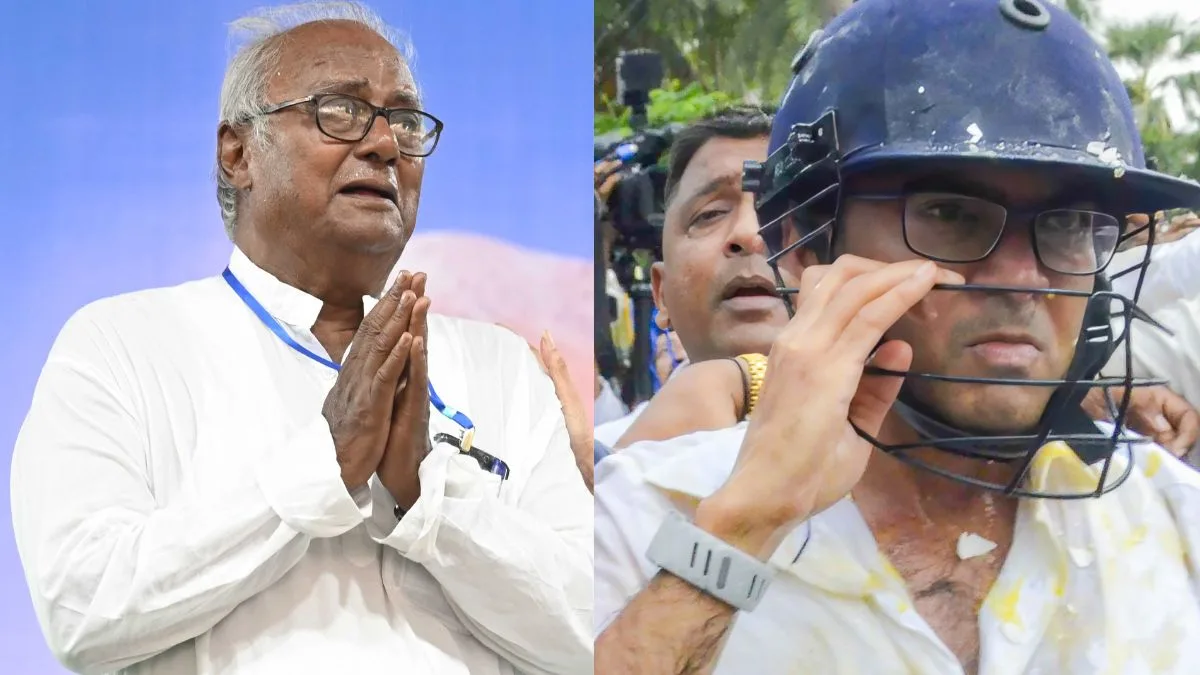
Woman sarpanch assault row sparks political storm in Kendrapara
Opposition parties demand action against police officials and local administrators.
For nearly three decades, Mamata Banerjee has built her political identity around a simple proposition, that Trinamool Congress is the real Congress in Bengal and that she represents the Trinamool or grassroot level Congress worker.




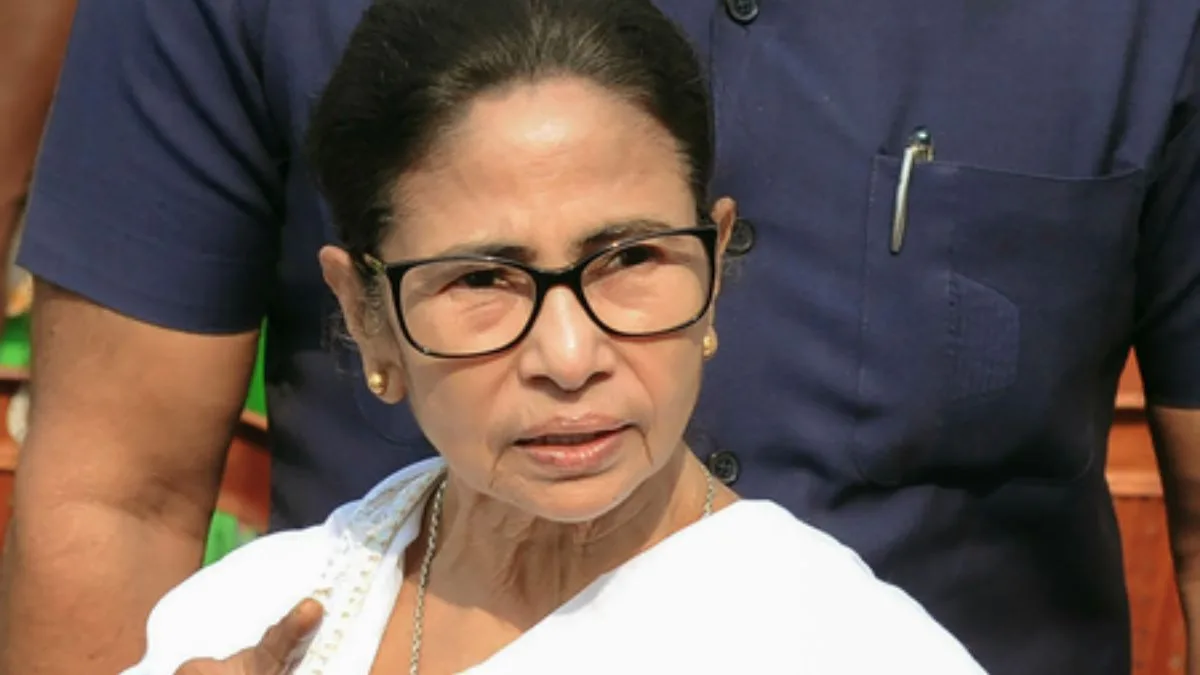
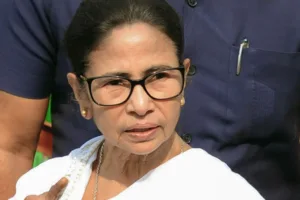
Mamata Banerjee. (Photo: IANS)
For nearly three decades, Mamata Banerjee has built her political identity around a simple proposition, that Trinamool Congress is the real Congress in Bengal and that she represents the Trinamool or grassroot level Congress worker.
Rivals came and went, dissidents emerged and disappeared, but the party remained inseparable from its founder, and it occupied and expanded the space left behind by the Congress party, which in the 1970s was led by the formidable Siddhartha Shankar Ray or ‘Manu-da’ in Bengal.
Advertisement
Today, however, Mamata faces perhaps the gravest challenge of her political career, not from the BJP, not from the Left, and not even from Congress, but from within her own movement.
Advertisement
Following the Trinamool Congress’s electoral defeat in West Bengal, a substantial section of the party’s legislators has reportedly revolted against the growing influence of her nephew and heir apparent, Abhishek Banerjee. Significantly, the rebellion is directed not at Mamata herself but at the succession structure she has built around him and the alleged corrupt practices she has allowed partymen to indulge in.
“The distinction does give Mamata Banerjee room to manoeuvre,” said a party lieutenant, close to the former chief minister. However, he pointed out, it also forces her to confront a question she has spent years postponing — can the Trinamool Congress survive as a family-centred political project or does it go back to its ideological roots, which were those of the Congress and in that process draw close, if not merge with the ‘Grand Old Party’?
While dissidents who have split open her party, such as Ritabrata Banerjee and Kakoli Ghosh Dastidar, are unlikely to come back to her, the rump of the party, along with its formidable cadre, remains personally loyal to her.
However, even loyalists like advocate-turned politician Kalyan Banerjee have started questioning the decision to shield Abhishek, whom they blame for the rout of the party at the electoral hustings.
Will Mamata Banerjee reposition herself above the factional battle and quietly ask Abhishek to face the lions alone?
Such a move would allow her to present herself as the guardian of party unity rather than the defender of dynastic succession. It would also reassure many legislators who believe that the concentration of power around Abhishek contributed to the party’s electoral setbacks.
However, it would also mean curtailing the authority of the man she spent years promoting as the future face of the Trinamool Congress.
“Historically, Mamata’s preferred style of politics has been to ride the storm. She has rarely tolerated internal dissent and has often emerged stronger after confronting challengers,” said Prof Ranabir Samaddar, former head of the Maulana Abul Kalam Azad Institute of Asian Studies.
However, this time round, the scale of the revolt suggests dissatisfaction is no longer confined to a handful of disgruntled leaders. Samaddar pointed out that when the Communist Party of India broke up, there were questions about office space and party coffers. “There will be parallels here too … the way the TMC office space is being moved in Delhi points towards that.”
Removing Abhishek, Mamata Banerjee’s designated political lieutenant, would be humiliating. But protecting him at all costs could prove equally damaging to the organisation, which depends on the loyalty of the worker on the streets.
This is why observers view a complete break with Abhishek as unlikely, even as pressure mounts on “Didi” to dilute his influence.
The crisis has also revived speculation about Mamata Banerjee’s relationship with the Congress and the broader opposition alliance.
Both Congress and the Trinamool have categorically denied rumours of a merger. Such a merger would be politically difficult for both. The Trinamool was born out of a rebellion against Congress, and the two parties continue to compete for much of the same political space in Bengal.
Nevertheless, a weakened Trinamool may find value in rebuilding bridges with Congress and strengthening the INDIA alliance at the national level. Reports of outreach to Sonia Gandhi and renewed opposition consultations suggest Mamata Banerjee recognises that political isolation is a luxury she can no longer afford.
For years, the Trinamool expanded at Congress’s expense. Today, survival may require accommodation with forces it once sought to replace. The immediate question is not whether Mamata Banerjee can survive this rebellion, as few politicians in contemporary India have demonstrated her resilience.
The deeper question is whether she can redefine the Trinamool Congress without dismantling the political architecture she spent decades constructing. The coming weeks may determine not only the future of the Trinamool Congress, but also the final chapter of one of India’s most consequential regional political careers.
Advertisement