Farmers protesting over MSP and farm laws clash with police at Mohali-Chandigarh border
Farmers marching towards Chandigarh’s Raj Bhavan clashed with police at the Mohali border as authorities used tear gas and water cannons to stop protesters.
A prominent voice of Delhi’s rural belt Chaudhary Surender Solanki on Friday welcomed the government’s decision to resume procurement of wheat from the farmers of the national capital at Minimum Support Price (MSP), something that had not happened for a couple of years.





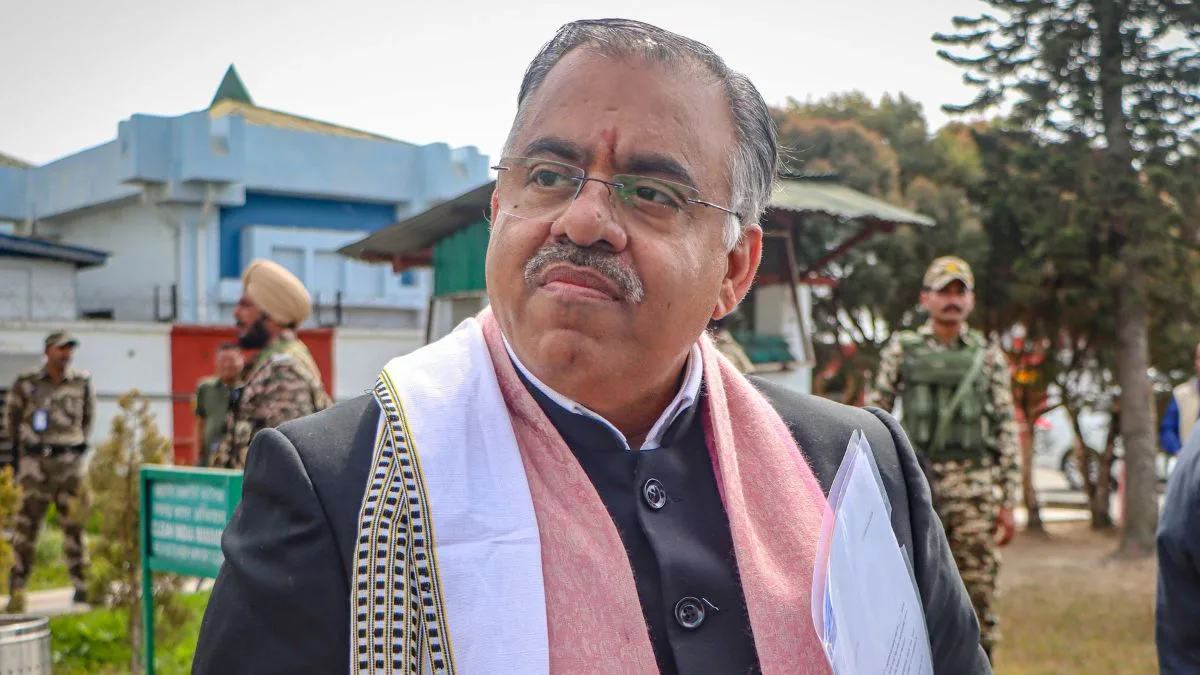
Chaudhary Surender Solanki (Photo:Facebook)
A prominent voice of Delhi’s rural belt Chaudhary Surender Solanki on Friday welcomed the government’s decision to resume procurement of wheat from the farmers of the national capital at Minimum Support Price (MSP), something that had not happened for a couple of years.
Now, Delhi’s farmers will be able to sell their produce at the Narela FCI center and the Najafgarh grain market.
Sharing the development on social media on Friday, Delhi Chief Minister Rekha Gupta said, “Good news for Delhi’s farmers. Starting today, April 24, the government’s procurement of wheat at MSP has resumed.”
Advertisement
She stated that the decision would give new momentum to the honour of the food providers and a resolve to make prosperous farmers.
The move is expected to reduce the hassles of traveling for the farmers and save their time and money.
Advertisement
According to Solanki, the decision will bring relief to the farmers of the national capital. The Pradhan of Palam 360 Sakal Panchayat said the decision would benefit hundreds of villages and thousands of farmers across the national capital’s rural region, especially outer Delhi. However, most of them have to wait until the next season to reap the benefits.
The Delhi government under the leadership of CM Gupta has been laying emphasis on the rural belt that had faced neglect for a very long time. Basic infrastructure projects and development works are being undertaken in the rural belt as the government has prioritized support to the Gram Vikas Board for providing momentum to the works across Delhi’s villages. The aim is to not only upgrade infrastructure in Delhi’s villages but also improve connectivity, sanitation, in a bid to bridge the gap between rural and urban amenities.
Advertisement