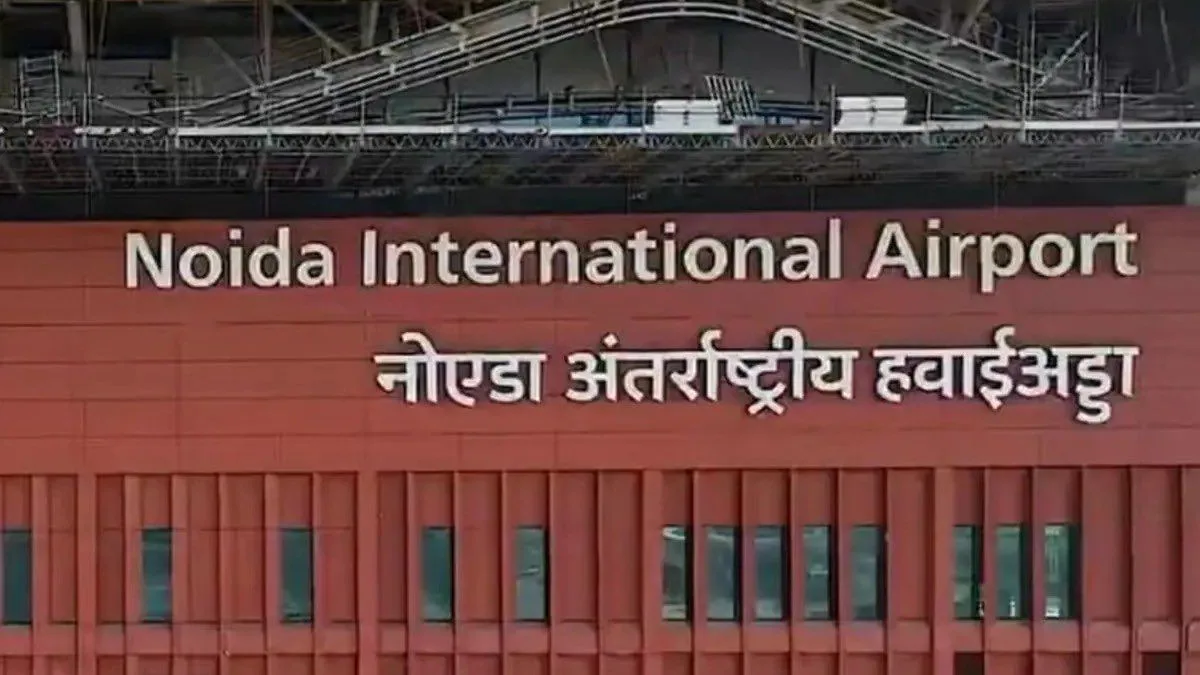
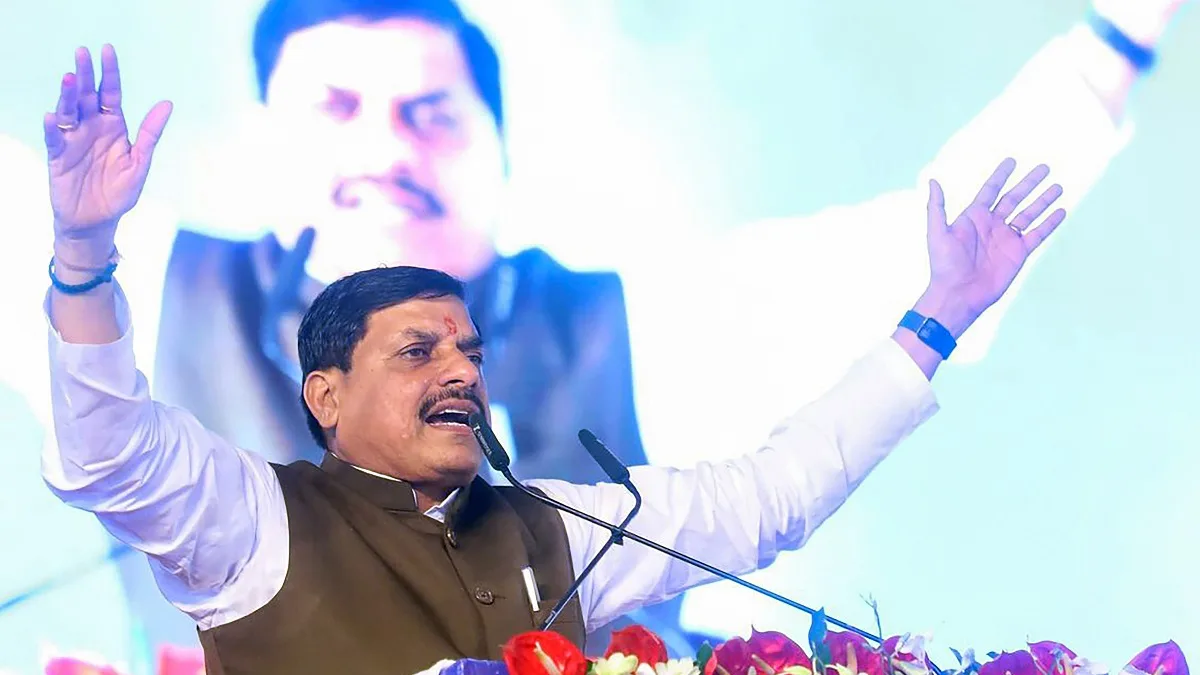
The first phase of the Noida International Airport was inaugurated by Prime Minister Narendra Modi on Saturday, with the project expected to ease travel across Delhi-NCR and open up fresh economic opportunities in the region.
This is not just another airport coming up. Built at a cost of ₹11,200 crore, the project is being seen as a major push to reduce pressure on existing infrastructure in the NCR and improve how people and goods move in and out of the region.
Advertisement
The airport has been developed by Yamuna International Airport Private Limited (YIAPL), a fully owned subsidiary of Zurich Airport International AG, in partnership with the Centre and the Uttar Pradesh government.
Located along the Yamuna Expressway, it will be the second civil airport in NCR. It is also one of the largest greenfield airport projects currently in the country.
What the airport offers in its first phase
The airport received its aerodrome licence from the Directorate General of Civil Aviation (DGCA) earlier this month. It has been cleared for all-weather operations, meaning flights can operate even during low visibility, something that often affects the NCR during winter.
In its initial phase, the airport will handle around 1.2 crore passengers annually. Officials say this can be expanded to up to 7 crore passengers in the coming years.
A 3,900-metre runway has been built to handle wide-body aircraft. It is equipped with Instrument Landing Systems (ILS) on both ends, allowing aircraft to land from either direction depending on wind conditions.
The runway is supported by a full lighting system to help operations at night and during foggy conditions.
The airport will also have the country’s first in-house Maintenance, Repair and Overhaul (MRO) facility. Its cargo terminal is designed to handle more than 2.5 lakh metric tonnes every year.
Why this matters for NCR
The airport is being planned as a major international gateway for the NCR. Apart from boosting domestic and international flights, it is expected to improve cargo movement and support business activity in the region.
The airport is also being built as a multi-modal hub, with links planned across road, rail, metro and regional transport. In simple terms, getting in and out, for both passengers and cargo, should become much easier.
Over time, it is expected to strengthen the region’s aviation network and give a push to economic activity in Uttar Pradesh and across NCR.