The Next Shock
The return of El Niño is a reminder that the world’s climate crisis is no longer defined solely by long-term warming trends.
The most telling measure of today’s climate crisis is not the headline temperature spike or the spectacle of a heatwave, but a quieter, more consequential shift: the Earth is now consistently absorbing more energy than it releases.




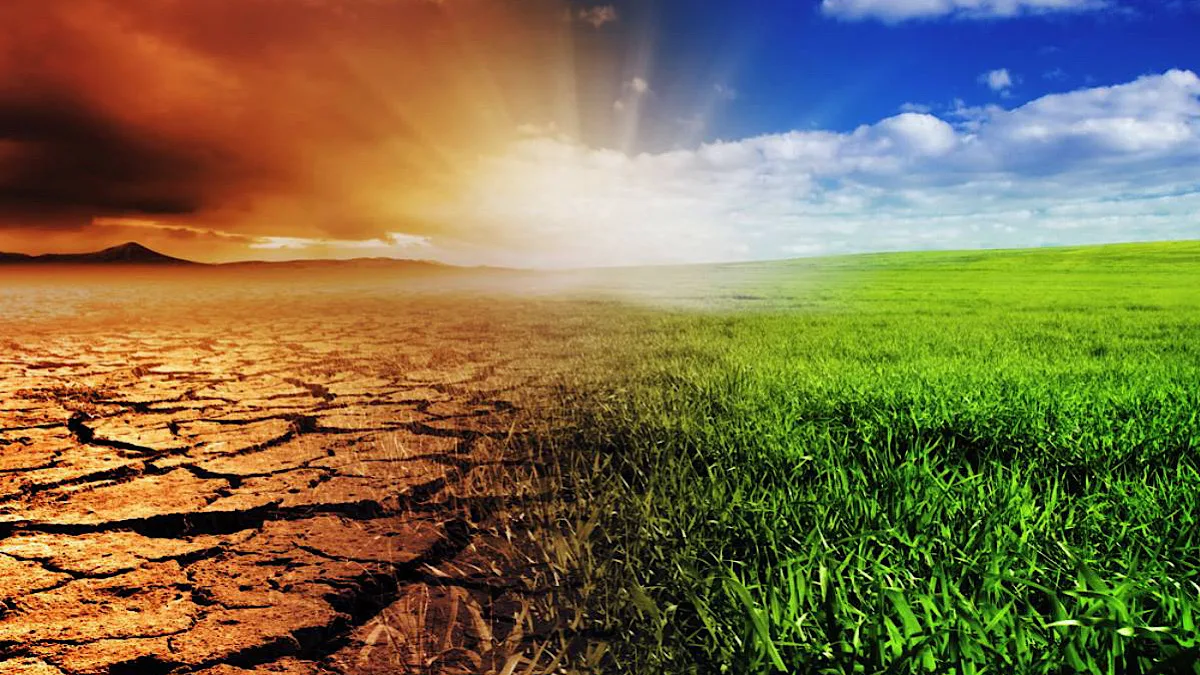
Photo:SNS
The most telling measure of today’s climate crisis is not the headline temperature spike or the spectacle of a heatwave, but a quieter, more consequential shift: the Earth is now consistently absorbing more energy than it releases. This growing imbalance is not a fluctuation. It is a structural break in the planet’s physical equilibrium, driven overwhelmingly by human activity. That distinction matters. Temperature records can still be dismissed by some as part of natural variability.
But an energy imbalance is cumulative. It means the system is storing excess heat year after year, most of it in the oceans. This stored heat does not simply vanish; it intensifies storms, disrupts marine ecosystems, and locks in future warming regardless of short-term fluctuations. Institutions like the World Meteorological Organisation and voices such as those of UN Secretary General António Guterres have warned that every major climate indicator is now moving in the wrong direction. What is less often acknowledged is what this convergence implies: the climate crisis has entered a phase where feedback loops ~ melting ice, warming seas, shifting atmospheric patterns ~are beginning to reinforce the original problem.
Advertisement
The anticipated return of El Niño is significant not because it is unusual, but because of the baseline it will act upon. Natural cycles once layered variability onto a relatively stable system. Now they amplify a system already pushed beyond its historical range. When the next warming phase peaks, it will not merely set records; it will redefine them. This has economic and political consequences that remain underappreciated. Climate change is no longer a distant environmental issue but an immediate driver of instability, affecting food systems, water availability, migration patterns, and public health. Heatwaves that were once rare are becoming routine, straining infrastructure and governance in both developed and developing countries.
Advertisement
Yet global policy responses remain calibrated to an earlier understanding of the problem, one that assumes gradual change and manageable risks. The persistence of fossil fuel dependence, despite decades of warnings, reflects not just technological inertia but political hesitation. Transitioning to renewable energy is still framed as a long-term goal, when the underlying physics suggests a far shorter timeline. The deeper implication is uncomfortable: the world is not merely failing to prevent climate change; it is failing to keep pace with the speed at which the problem is evolving.
Each year of delay does not just add to the total emissions; it compounds the imbalance, making future corrections more abrupt and more disruptive. What emerges is not a story of isolated extremes, but of a system steadily moving away from the conditions that made modern civilisation possible. The question is no longer whether the planet is warming, but whether political and economic systems can adapt quickly enough to a reality that is already unfolding. What really are we warring about?
Advertisement