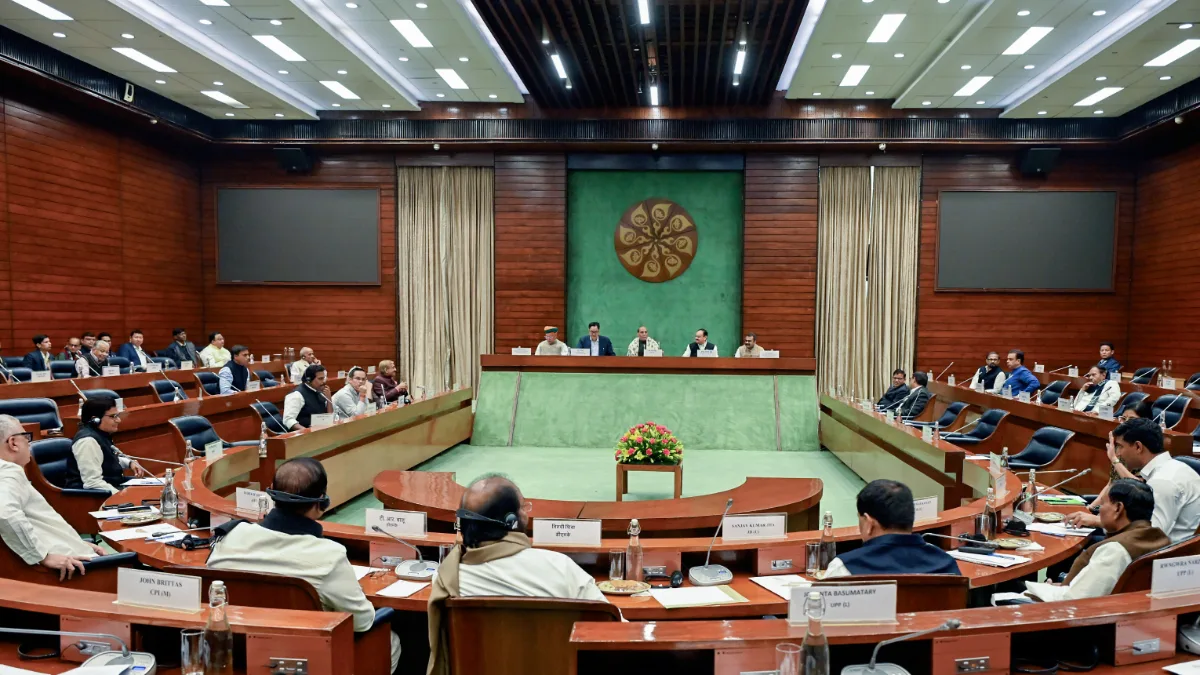
The Centre has convened an all-party meeting on March 25 to deliberate on the escalating crisis in West Asia and its implications for India’s economy, energy security, and strategic interests. The meeting will be conducted at 5 PM tomorrow.
The meeting comes as the conflict enters its fourth week, significantly disrupting global trade routes, particularly through the Strait of Hormuz, a critical passage for crude oil shipments. The situation intensified after the killing of Iran’s Supreme Leader Ayatollah Ali Khamenei in joint military strikes by the United States and Israel on February 28, triggering a wave of retaliatory attacks by Iran on US and Israeli-linked assets across Gulf nations.
Advertisement
The resulting escalation has rattled international energy markets and raised concerns over global economic stability, with India among the countries closely monitoring developments due to its heavy reliance on energy imports from the region.
PM Modi flags economic, security concerns
Addressing Parliament, Prime Minister Narendra Modi described the situation as “worrisome,” underlining the far-reaching consequences of the conflict. He noted that the crisis presents unprecedented challenges, not just in terms of national security and economic stability, but also humanitarian concerns.
The Prime Minister highlighted India’s strong trade and energy ties with countries in the conflict-hit region, stating that a substantial portion of the nation’s crude oil and gas supplies originate from West Asia. He also pointed out that the region serves as a vital trade corridor for India’s global commerce.
A day earlier, Modi had briefed the Lok Sabha on the unfolding developments, emphasizing the need for an early resolution amid growing international calls for de-escalation.
Rahul Gandhi to skip the meet
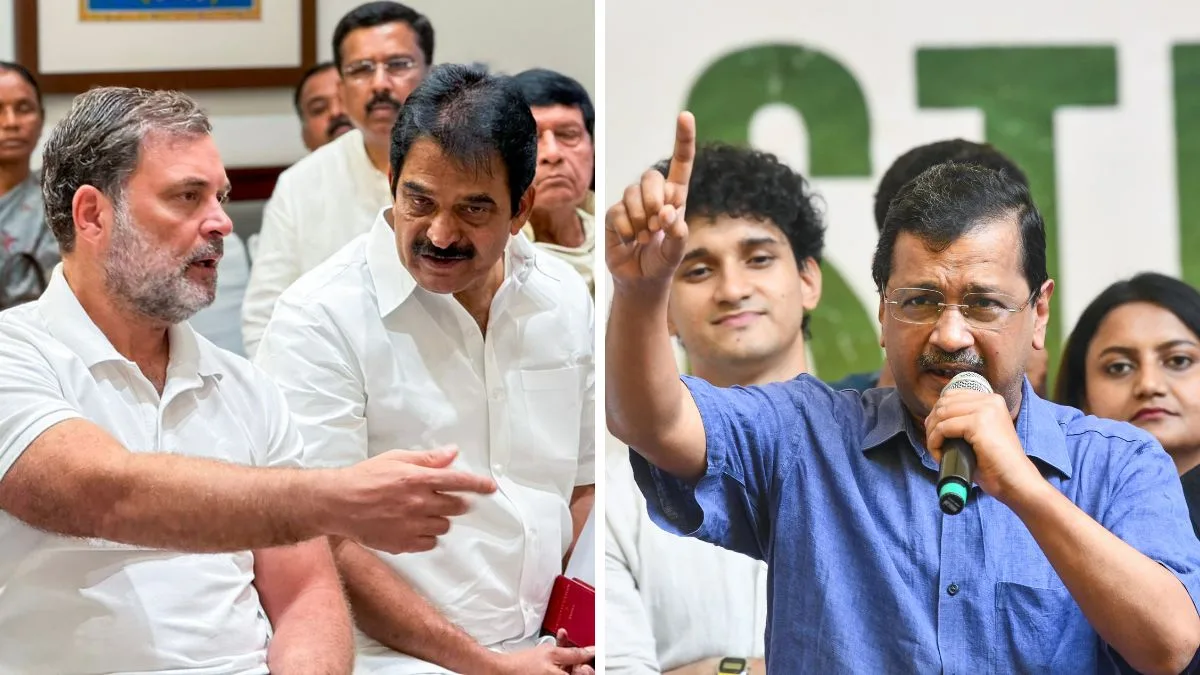
Congress leader and Leader of Opposition in the Lok Sabha Rahul Gandhi today confirmed that he will not attend the all-party meeting due to a prior commitment in Kerala. However, he backed the idea of such consultations while sharply criticising the government’s foreign policy approach.
Gandhi alleged that India’s stance is overly influenced by the United States and Israel, claiming it may not serve the country’s long-term interests, particularly those of farmers and the broader economy.
He said, “I would not be able to attend because I have a program in Kerala. All-party meeting should take place, but a structural blunder has been made… And this cannot be fixed, especially the Prime Minister cannot. He will do whatever America says and will not work in the interest of the farmers and the country. He will do whatever America and Israel say.”
Focus on unified national response
The all-party meeting is expected to bring together leaders across the political spectrum to discuss India’s strategic response, including safeguarding energy supplies, ensuring maritime security, and addressing potential economic fallout.
With global tensions rising and trade disruptions deepening, the meeting is likely to play a crucial role in shaping a coordinated national approach to the fast-evolving crisis.