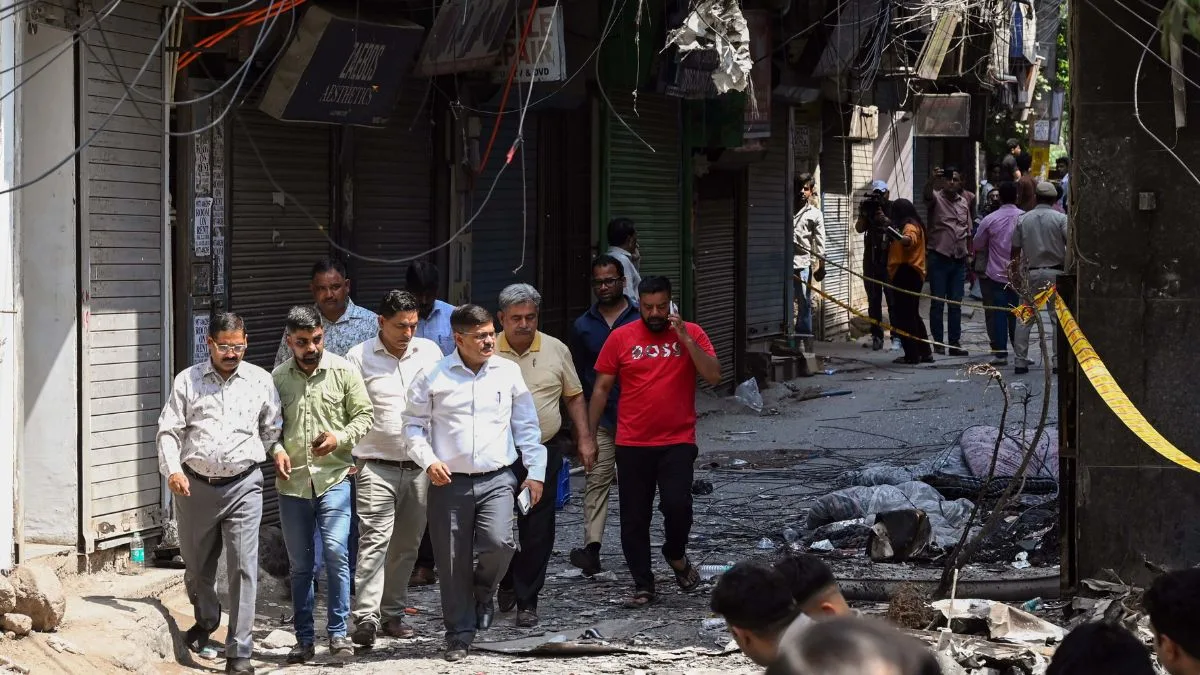
Guarded Chaos
The evening was meant to affirm the choreography of American power: elected officials, journalists, and cultural figures gathered under one roof, performing the rituals of proximity that define Washington.
The manhandling of journalists including women staffers and the subsequent sealing of the office of United News of India in the national capital on Friday night has triggered sharp condemnation from media bodies across the country.




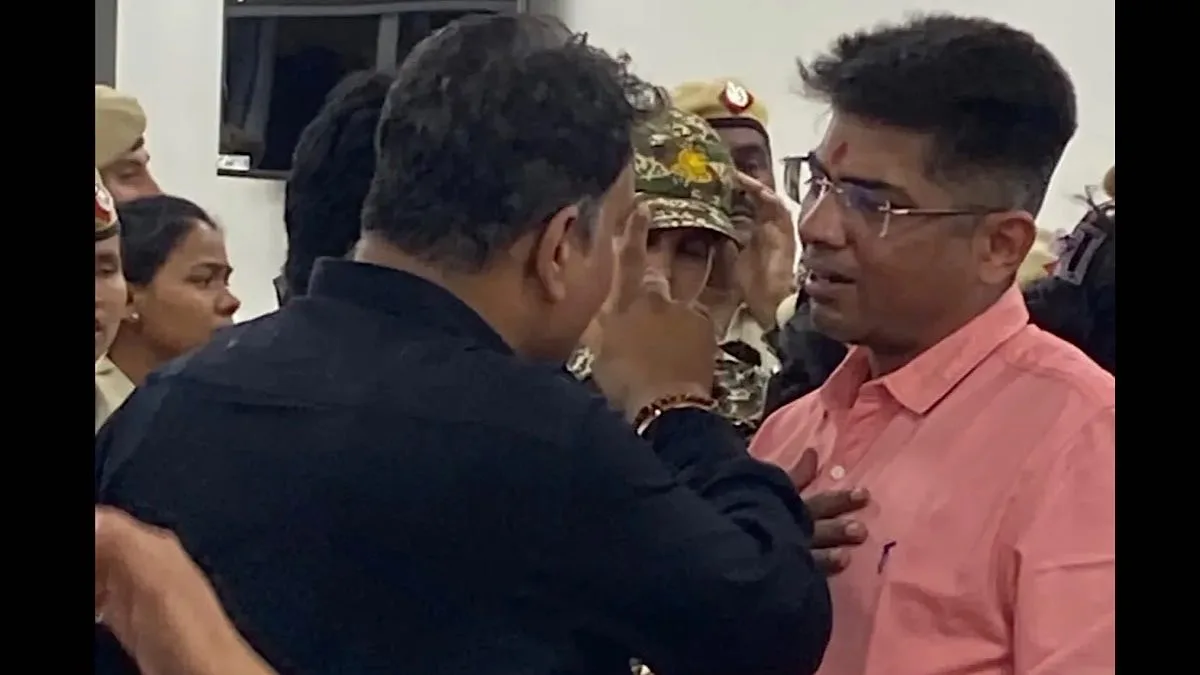
Photo:UNI
The manhandling of journalists including women staffers and the subsequent sealing of the office of United News of India in the national capital on Friday night has triggered sharp condemnation from media bodies across the country.
Calling the incident a grave attack on press freedom, several journalist organisations denounced the action and demanded accountability.
Advertisement
The Indian Journalist Association termed the episode “a direct attack on the freedom of the press,” saying it posed a serious threat to democratic values and the fundamental right to freedom of expression.
Advertisement
The association also warned that such action against one of India’s oldest news agencies creates “an atmosphere of fear and insecurity among the media fraternity.” It demanded a high-level inquiry, strict action against those responsible, and immediate restoration of UNI’s operations.
The Delhi Union of Journalists described the action as “arbitrary” and deeply disturbing, stating that the cancellation of UNI’s land lease by the Union government had “dealt a death blow” to the organisation. It also expressed solidarity with UNI employees facing uncertainty.
The Mumbai Press Club also condemned the move, calling it deeply concerning for the media fraternity. It emphasised that such actions undermine the dignity and safety of journalists and raise serious questions about press freedom and the ability of media organisations to function without fear or intimidation. The Club called for a prompt, impartial, and transparent inquiry into the incident.
The Indian Women’s Press Corps termed the police action an “affront to the dignity and safety of journalists, particularly women.” While acknowledging that the legal dispute over the UNI premises is subject to judicial process, it criticised the manner in which the police allegedly treated journalists present at the office.
The IWPC warned that such developments diminish institutions and endanger press freedom, while also highlighting the growing challenges faced by media organisations.
Expressing “deep shock,” the Press Club of India condemned the alleged high-handedness, stating that the right to work is a constitutional guarantee. It said authorities should have exercised restraint, especially as journalists had not received formal communication from management regarding vacating the premises following the court order.
The Editors Guild of India criticised the use of “excessive force” and “undue haste” in sealing the UNI premises after a High Court order cancelling the land allotment. While not questioning the implementation of the court directive, it flagged concerns over lack of due process and the overwhelming deployment of police and paramilitary personnel within hours of the order. The Guild warned that such actions send a “chilling message” to the media and disrupt news dissemination.
The Ranchi Press Club also expressed strong concern, calling the reported eviction of journalists without allowing them to collect personal belongings “deeply disturbing and unacceptable.” It stressed that enforcement of court orders must be carried out with sensitivity and due process.
Collectively, media bodies have called for restraint by authorities, protection of journalists’ rights and steps to restore confidence within the media fraternity, warning that such incidents could have a chilling effect on press freedom in a democratic society.
Advertisement