Jaishankar discusses India-EU ties, multipolar world at Cyprus meeting
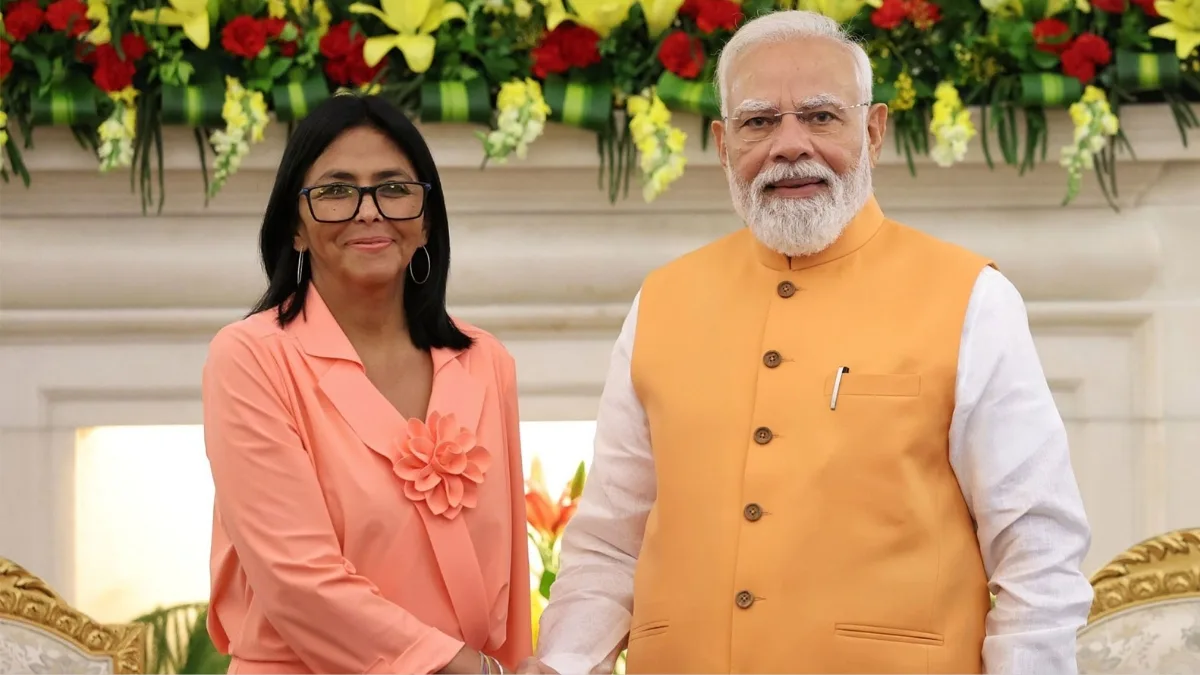
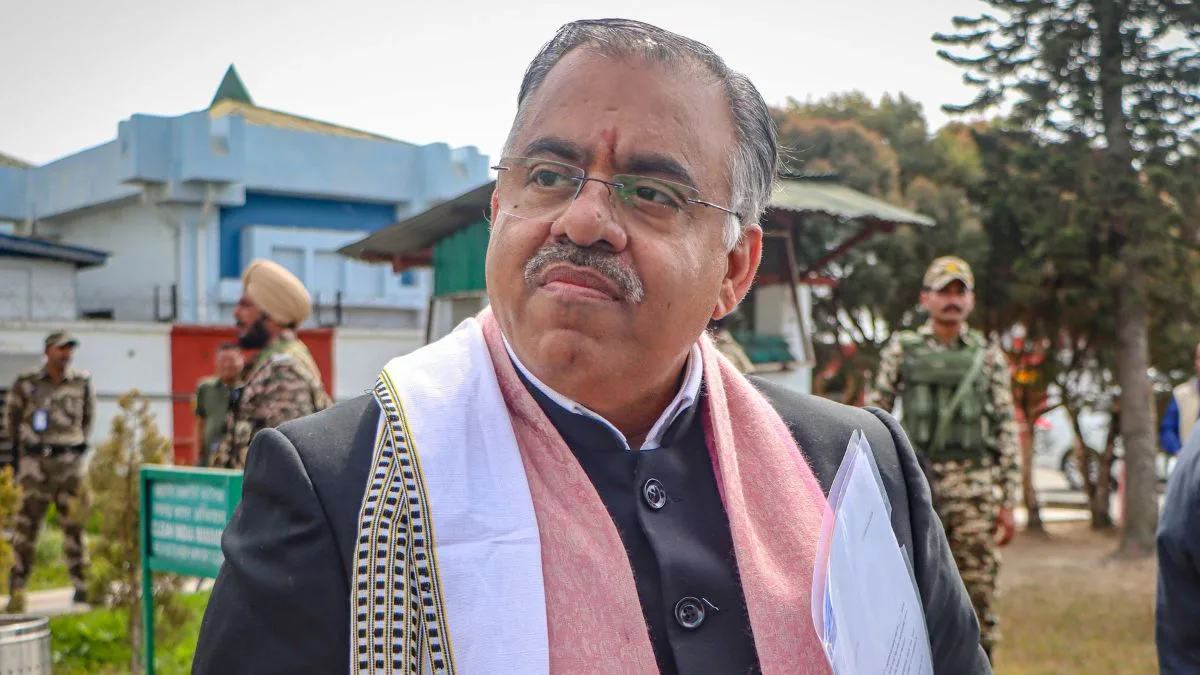
S Jaishankar met several European leaders in Cyprus during the informal Gymnich meeting, where discussions centred on India-EU cooperation and regional developments.
India allowed an Iranian naval vessel to dock in Kochi after technical trouble, Jaishankar says, stressing humanitarian considerations and warning that many cargo ships attacked at sea have Indian crew.





External Affairs Minister S Jaishankar speaks during a session at Raisina Dialogue 2026 in New Delhi, where he addressed the Iranian naval vessel incident and maritime security concerns in the Indian Ocean. | ANI video grab
External Affairs Minister S Jaishankar on Saturday raised concerns about the safety of Indian sailors working on merchant ships, saying attacks on commercial vessels frequently put Indian lives at risk.
Speaking at the Raisina Dialogue 2026, Jaishankar said Indians form a large part of the global merchant marine workforce and stressed that the country must recognise the risks they face as conflicts spill into key shipping routes.
Advertisement
His remarks came as tensions in the Indian Ocean region remain high following the sinking of the Iranian naval vessel IRIS Dena in international waters. The ship had earlier been in the region after participating in naval engagements connected with India.
Advertisement
Addressing the situation, Jaishankar said India had permitted another Iranian ship, IRIS Lavan, to enter the port of Kochi after it reported technical difficulties.
The vessel had earlier taken part in the International Fleet Review and the MILAN 2026 exercise, held between February 15 and February 25. Iran approached India seeking assistance days before the IRIS Dena incident.
India approved docking on March 1, and the vessel later reached Kochi. The ship has 183 crew members, many of them cadets, who have since disembarked and are staying at naval facilities nearby.
“You had these ships, and we got a message from the Iranian side that one of the ships, which presumably was closest to us–to our waters at that point of time, wanted to come into our port. They were reporting that they were having problems. And so, my recollection is this was on the 28th, and on the 1st, we said, ‘Okay, you can come in.’ And it took them a few days to sail in, and then they docked in Kochi. And the ship is there.”
“And obviously, the people on the ship, a lot of them were young cadets–that is my understanding. They have disembarked; they are, you know, in a nearby facility… When they set out and came here, the situation was totally different. They were coming in for a fleet review, and then they got, in a way, caught on the wrong side of events. So for us, when this ship wanted to come in, and that too in difficulties, I think it was the humane thing to do. And I think we were guided by that principle. And in a sense, of the other ships, one obviously had a similar situation in Sri Lanka, and they took the decision which they did and one of them unfortunately didn’t make it… So I think where really approached it from the point of view of, in a sense, of humanity, of other than, you know, whatever the legal issues were. And I think we did the right thing,” the Minister said.
Following a distress call connected with IRIS Dena, the Indian Navy launched search and rescue operations to support efforts led by Sri Lanka. A long-range maritime patrol aircraft was deployed to assist the search.
Jaishankar also said India’s approach to regional crises takes into account the safety of millions of Indians working abroad and those serving on merchant vessels.
“Indians are a large segment of people who man merchant ships. Every time there is an attack on a vessel carrying goods, it is very likely that a part of the vessel is manned by Indians… We should give a lot of weight to this because we have had fatalities in the last few days… There has got to be adequate recognition in the country about the interest of our people, the merchant mariners and what we could be doing to safeguard them.”
“Our approach to the crisis is driven by the fact that we have 9-10 million people living in the Gulf. Their well-being is a factor just as much as that of merchant shipping has to be… Countries have their own interests, their economic or energy concerns, and, naturally, our policies will take all of that into account. I felt the merchant marine part has not got the prominence,” he said.
The minister also responded to debates circulating online about geopolitical developments in the region.
“There are a lot of social media debates going on over this…. Please understand the reality of the Indian Ocean. Diego Garcia has been in the Indian Ocean for the last five decades…The fact that there are foreign forces based in Djibouti happened in the early first decade of this century. Hambantota came up during this period,” he said.
Jaishankar also emphasised the importance of strengthening cooperation across the Indian Ocean region and said India has invested considerable diplomatic effort in building partnerships over the past decade.
“Indian Ocean Region is an ecosystem…Indian Ocean, much more than other parts of the world, is in the process of recovery and rebuilding. Individual states are doing that, but the whole region as a whole, restoration of trade patterns, connectivity…This whole rebuilding process of the Indian Ocean needs to be recognised… A lot of this requires hard work. In the last decade, Indian diplomacy has invested a lot in this process,” he said.
“If we have to build a kind of an Indian Ocean sentiment or identity, it has to be backed up with resources, work, commitments, practical projects… There are different dimensions of how you build the Indian Ocean… On why the Indian Ocean is the only ocean named after a country – we are right in the middle of it… With our growth, other countries of the Indian Ocean stand to benefit. Those who work with us will get more benefits… The rise of India will be determined by India… It will be determined by our strength, not by the mistakes of others,” he added.
Advertisement